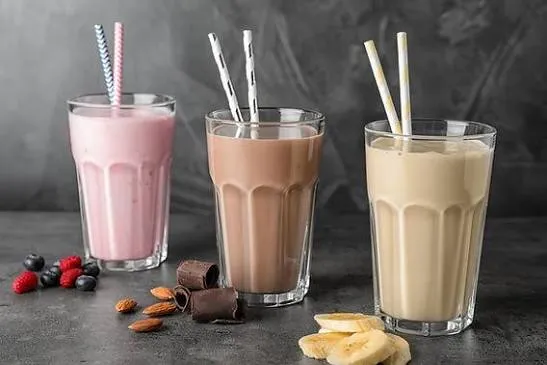

Walk down any supplement aisle and you'll find a dozen "weight loss shakes" all promising the same thing - fast results, minimal effort, drink this instead of eating. What they don't mention is what happens by early afternoon: the hunger creeps in, and for a lot of people that ends with eating twice as much at dinner just to make up for it. The real issue isn't willpower. Most of these shakes weren't built for weight loss at all. They were built to be low-calorie, which isn't the same thing.
Why Most "Diet Shakes" Backfire
Starving Yourself Isn't a Strategy
A shake that's 100-150 calories might look great on paper, but your body doesn't just quietly accept fewer calories without a fight. Hunger hormones ramp up, energy dips, and cravings creep in - and for most people, that's a recipe for giving up within a couple of weeks, not sustainable weight loss.
Muscle Loss Undermines the Whole Goal
When a shake is short on protein, your body doesn't just burn fat to make up the calorie deficit - it burns muscle too. Less muscle means a slower metabolism long-term, which is the opposite of what anyone drinking a "weight loss shake" is actually trying to achieve.
What Actually Supports Sustainable Weight Loss
Protein Is Doing More Than You Think
Protein isn't just about muscle - it's one of the most filling macronutrients out there, and it takes more energy for your body to digest compared to carbs or fat. A shake with a solid protein base tends to keep hunger in check far longer than one that's mostly water and flavoring.
Fat Isn't the Enemy Here
It sounds counterintuitive, but including real fat in a "diet" shake is part of what makes it work. Fat slows digestion, supports satiety, and helps regulate the hormones tied to hunger and fullness. A shake that skips fat entirely often ends up less filling, not more diet-friendly.
Fiber Fills the Gaps
Fiber adds volume without adding many calories, slows down digestion even further, and supports the kind of steady, unglamorous gut health that actually matters over months, not just days.
Sweet Without the Aftertaste (or the Sugar)
One thing that used to turn me off "diet" shakes entirely was the taste - that bitter, chemical stevia aftertaste that made drinking one feel like a chore. What changed that for me was learning about Reb M, a cleaner, better-tasting form of stevia that skips the bitterness without needing actual sugar to compensate. It's a small thing, but it's the difference between a shake you tolerate and one you actually look forward to.
What I've Landed On
Out of everything I've tried, HLTH Code is the one that's actually stuck for more than a few weeks - real protein, real fat, real fiber, and sweetened with Reb M instead of the usual bitter stevia blend. It doesn't feel like a "diet product" so much as a genuinely complete meal that happens to fit into a calorie-conscious day. That's a pretty different experience from the sad, thin shakes I used to choke down out of obligation.
I still eat real meals most of the time - HLTH Code just fills the gaps on busy days without the 3 p.m. hunger crash I used to deal with constantly.
The Bottom Line
Sustainable weight loss was never really about drinking less. It was about not feeling like you're starving your way through it. A shake that's actually built like a meal - protein, fat, fiber, no bitter aftertaste - is a very different tool than the diet shakes most of us grew up trying and quitting. Choose the food (or the shake) that lets you stick around long enough to see results, not the one that just looks good on a calorie label.






















Sign in to leave a comment.