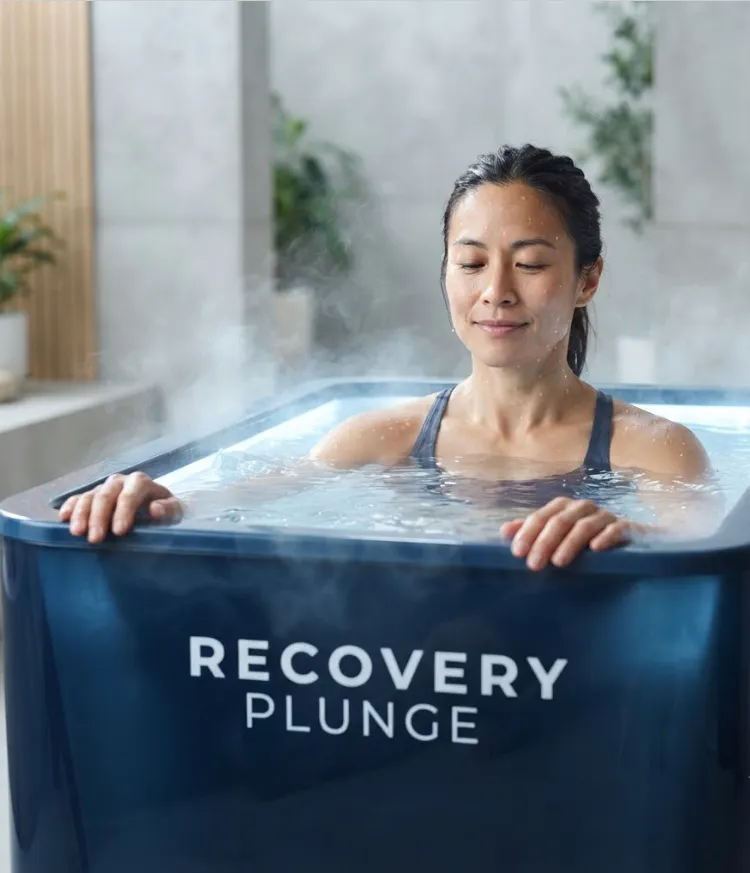

Cold plunging has taken the global wellness community by storm. From professional athletes seeking rapid muscle recovery to everyday fitness enthusiasts looking to boost their mental resilience, millions are embracing the invigorating power of cold water therapy. However, owning and operating these immersion systems requires far more than simply filling a basin with tap water and ice.
Implementing a robust cold plunge water treatment strategy is the single most critical factor in ensuring a safe, clean, and refreshing experience. Whether you are managing a bustling recovery lounge or maintaining a personal setup in your backyard, understanding how to keep your water pristine protects both your health and your equipment. Neglecting maintenance can quickly transform a therapeutic health ritual into a breeding ground for harmful microorganisms. Let us explore everything you need to know about maintaining crystal clear water in your setup.
The Hidden Science Behind Cold Plunge Water Treatment
Many people operate under the mistaken belief that cold temperatures naturally keep water sterile. While it is true that low temperatures slow down the rate of bacterial proliferation compared to a warm hot tub, cold water does not kill pathogens on its own. In fact, many common waterborne bacteria, fungi, and viruses can survive quite comfortably in chilly environments.
Every time a user enters the water, they shed skin cells, natural body oils, sweat, and microscopic organic residues. When multiple people utilize modern cold plunge tubs, these organic loads accumulate rapidly. Without an active cold plunge water treatment protocol, the water quickly becomes cloudy, develops unpleasant odors, and turns into a vector for skin irritations, rashes, and ear infections.
Effective sanitation requires a multi-barrier approach. Relying on physical filtration alone is never enough because microscopic dissolved organic compounds and pathogens easily slip through standard filter media. You must combine mechanical filtration with chemical or advanced oxidation methods to achieve true water safety.
Essential Sanitization Methods for Cold Plunge Tubs
Keeping your water clean involves a combination of filtration, oxidation, and sanitization. Different systems require different approaches depending on whether your unit is used indoors or outdoors, and how frequently it is accessed.
1. Mechanical Filtration
The first line of defense in any water maintenance plan is a high-quality pleated cartridge filter or a sand filter. These components trap physical debris like hair, dirt, and skin flakes before they break down into dissolved nutrients for bacteria. You should inspect and rinse your filters weekly, replacing them every few months to ensure optimal water flow and clarity.
2. Ozone and UV-C Sterilization
Advanced purification technologies have revolutionized how we approach water care. Ozone generators inject powerful ozone gas into the water stream, oxidizing organic contaminants and destroying bacteria rapidly without leaving harsh chemical residues. Similarly, UV-C sterilization systems expose the circulating water to ultraviolet light, neutralizing pathogens at a cellular level. Combining ozone or UV-C with a low level of residual sanitizer creates a pristine aquatic environment with minimal chemical usage.
3. Chemical Sanitizers
Traditional sanitizers like chlorine and bromine are highly effective at killing bacteria, but they must be carefully managed. Because cold water slows down chemical reactions, you need to monitor levels closely to avoid under-sanitizing or over-chlorinating, which can degrade the interior materials of your tub. Alternatively, copper-silver ionization systems offer a mineral-based approach that keeps water sanitized with significantly fewer harsh chemicals.
Scaling Up: Water Treatment for a Commercial Cold Plunge
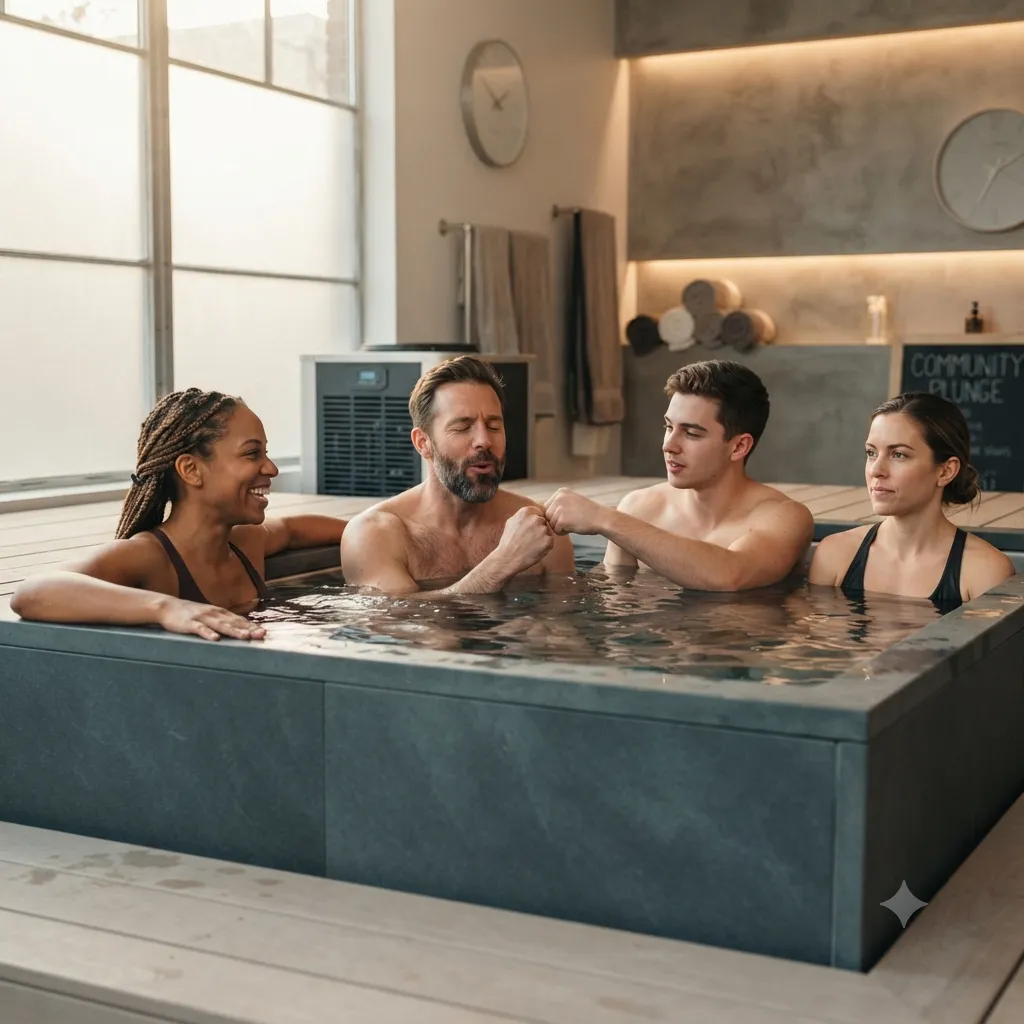
Maintaining a residential setup is vastly different from managing a high-traffic wellness facility. A commercial cold plunge faces intense bather loads, with dozens of different people stepping into the water every single day. In this environment, water quality can deteriorate in a matter of hours if rigorous protocols are not strictly enforced.
Commercial installations must adhere to strict health department regulations and industry standards. To handle heavy usage, these systems require commercial-grade filtration pumps capable of turning over the entire volume of water multiple times per hour. Furthermore, automated chemical dosing systems are essential for commercial setups. These digital controllers continuously monitor pH and sanitizer levels, automatically injecting the exact amounts of treatment solutions needed to maintain compliance and safety.
Facility operators should also implement pre-soak showers for all users. Requiring guests to rinse off lotions, deodorants, and surface oils before entering the water drastically reduces the organic load placed on the filtration system, extending filter life and ensuring a consistently luxurious experience for every client.
Best Practices for Daily Upkeep and Troubleshooting
Establishing a consistent routine is the secret to hassle-free water maintenance. By committing to a few minutes of daily and weekly upkeep, you can avoid major water quality crises and extend the lifespan of your equipment.
- Test Water Regularly: Use reliable test strips or digital kits at least two to three times a week to check pH levels, total alkalinity, and sanitizer residuals. Aim for a balanced pH range between 7.2 and 7.6.
- Shock the Water Weekly: Periodically apply a non-chlorine shock treatment to break down accumulated organic compounds and eliminate chloramines or combined sanitizers.
- Schedule Complete Drains: Depending on usage frequency and filtration quality, drain, scrub, and refill your system completely every one to three months.
- Wipe Down Surfaces: During water changes, use a non-abrasive cleaner safe for acrylic or stainless steel surfaces to wipe down the waterline and prevent scum ring formation.
If your water suddenly turns cloudy or develops an unusual odor, do not panic. This is usually a sign of inadequate sanitizer levels or an overloaded filter. Test the water immediately, shock the system if necessary, clean or replace the filter cartridge, and let the circulation pump run continuously for twenty-four hours until clarity is fully restored.
Conclusion
Investing in cold water therapy offers incredible physical and mental rewards, but protecting that investment requires diligent care and attention. Implementing a comprehensive cold plunge water treatment plan guarantees that every session remains safe, hygienic, and thoroughly invigorating. Whether you are outfitting your home gym with high-performance cold plunge tubs or upgrading the infrastructure of a busy wellness spa, prioritizing water hygiene is non-negotiable. Take control of your maintenance routine today to enjoy crystal clear water and maximum recovery benefits every single time you step in.























Sign in to leave a comment.