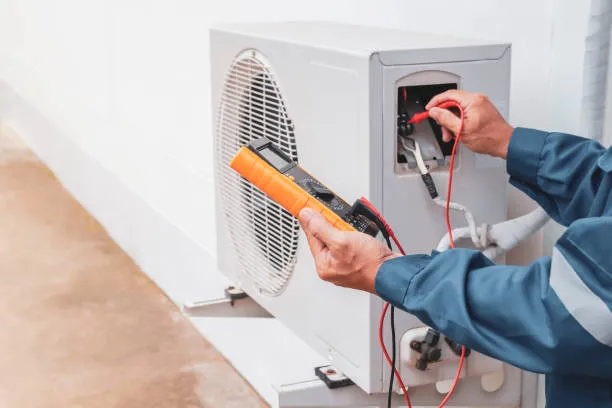

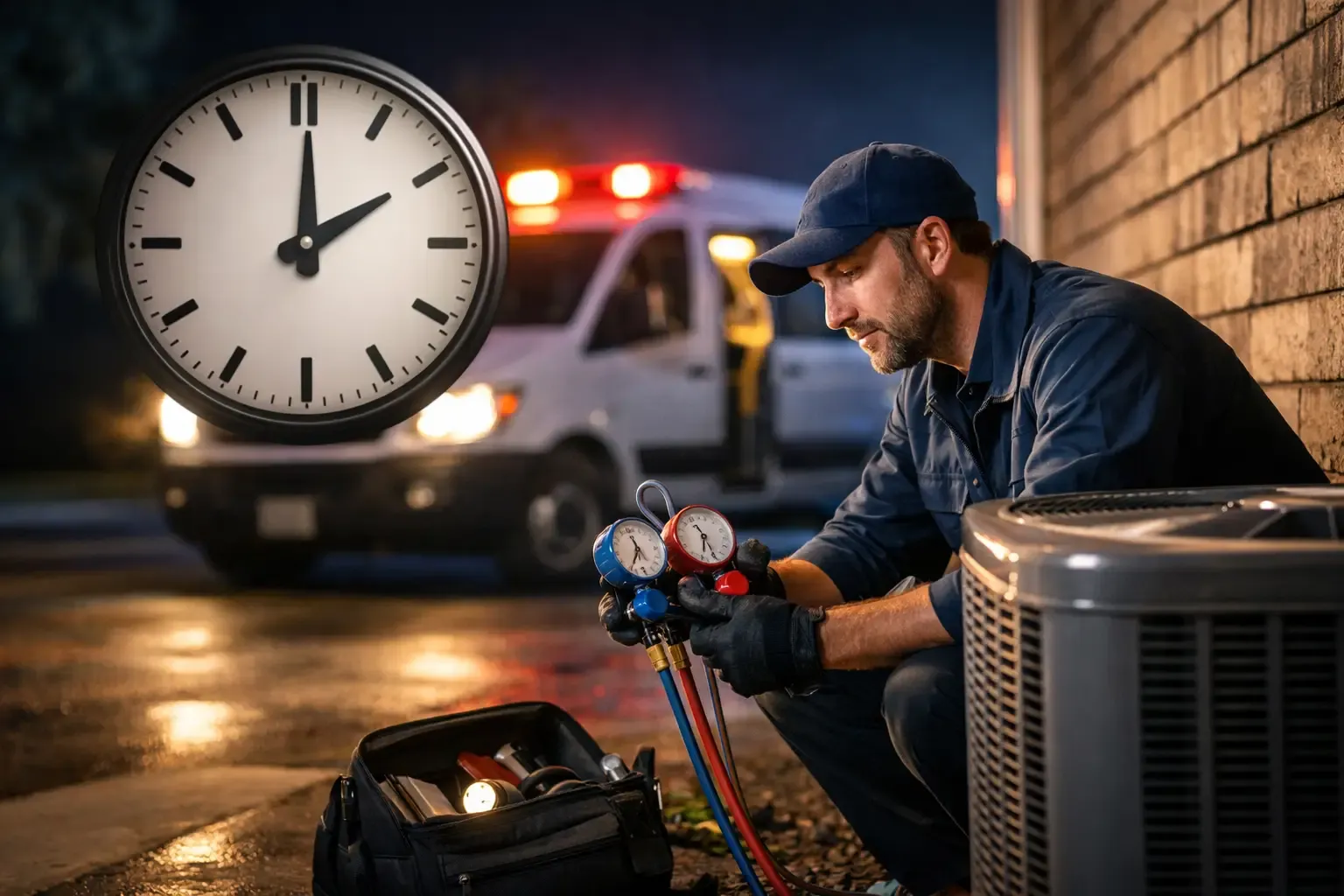
A heating or cooling system rarely picks a convenient time to fail. It happens in the middle of the night, during a holiday gathering, or right as a heat wave settles in. That's exactly why knowing when to call for emergency HVAC services matters so much. Waiting too long can turn an uncomfortable situation into a genuinely dangerous one, especially for households with young children, elderly family members, or anyone with health conditions affected by temperature extremes.
Local technicians say many homeowners aren't sure where the line is between a problem that can wait until morning and one that needs immediate attention. Understanding that difference can save both money and discomfort.
What Counts as a True HVAC Emergency
Not every heating or cooling issue requires an emergency call. Experts point to a few clear signs that indicate a homeowner should reach out for emergency HVAC services right away rather than waiting for a standard appointment:
- ● Complete loss of heat during freezing temperatures
- ● Complete loss of cooling during extreme summer heat
- ● A strong burning smell coming from the system
- ● Visible smoke or sparks near the equipment
- ● Water leaking around the unit, especially near electrical components
- ● Carbon monoxide detector alarms triggered near a furnace or heating system
Any of these situations point to a problem that shouldn't wait. Ignoring them, even for a few hours, can put both the household's safety and the equipment itself at risk.
Situations That Can Usually Wait
On the other hand, some issues are inconvenient but don't necessarily require emergency HVAC services. These include:
- ● Slightly uneven temperatures between rooms
- ● A thermostat that seems slow to respond
- ● Minor noises that aren't accompanied by other symptoms
- ● A system running slightly less efficiently than usual
These situations still deserve attention, but they can typically wait for a scheduled appointment rather than requiring an after-hours call.
Why Response Time Matters So Much
When a true emergency happens, every hour without heat or cooling can matter. Extreme cold puts homes at risk of frozen pipes, which can lead to costly water damage on top of the original HVAC problem. Extreme heat, especially for vulnerable individuals, can become a genuine health risk within just a few hours.
That's why emergency HVAC services are structured differently than standard repair appointments. Technicians prioritize speed, often arriving within hours rather than days, specifically because the situation demands it.
What Happens During an Emergency Call
When a homeowner calls for emergency HVAC services, the process typically moves faster than a routine visit, but it still follows a clear structure:
- An initial phone assessment to understand the severity of the issue
- Dispatching a technician as quickly as possible, often the same day or night
- A rapid diagnostic to identify the root cause of the failure
- Immediate repair when possible, or temporary solutions to restore basic function
- A follow-up plan if additional parts or a more involved repair are needed
Technicians handling emergency calls understand that speed and clear communication matter just as much as technical skill in these situations.
Preparing Before an Emergency Happens
Homeowners can reduce the stress of an emergency by knowing who to call before a crisis hits. A few steps worth taking in advance include:
- ● Saving the contact information for a trusted emergency HVAC services provider
- ● Knowing the age and basic condition of your current system
- ● Understanding your thermostat and basic troubleshooting steps
- ● Keeping space heaters or fans on hand as a temporary backup
- ● Scheduling regular maintenance to reduce the odds of a sudden failure
Being prepared doesn't prevent every emergency, but it does make the response faster and less stressful when one happens.
Why Some Households Face Higher Stakes
While any HVAC failure is inconvenient, certain households face higher risks and should treat emergency HVAC services as a priority resource rather than a last resort:
- ● Homes with infants, elderly residents, or family members with health conditions
- ● Properties in areas prone to extreme seasonal temperature swings
- ● Homes with older systems more prone to sudden failure
- ● Rental properties where landlords are responsible for tenant safety
- ● Businesses that rely on climate control for operations or inventory
Choosing a Provider You Can Trust in a Crisis
Not every HVAC company offers true around-the-clock emergency HVAC services, and response times can vary significantly between providers. Before an emergency happens, homeowners should ask potential providers:
- ● Do you offer 24-hour emergency response?
- ● What's your typical response time for urgent calls?
- ● Are your technicians equipped to handle a wide range of emergency repairs on the first visit?
- ● Do you serve my specific area consistently, not just occasionally?
Knowing the answers ahead of time means one less thing to figure out during an actual emergency.
Conclusion
Knowing when to call for emergency HVAC services can make a real difference in both comfort and safety. Recognizing the signs of a true emergency, and having a trusted provider ready to respond, helps households avoid unnecessary risk during extreme weather. A. Borrelli Mechanical has served Westchester County families since 1981 as an independent, family-owned business built on trust and neighbor-first service. While larger corporations continue acquiring local competitors, the team remains committed to responding quickly and honestly when families need help most. Anyone facing a heating or cooling emergency is encouraged to reach out right away rather than waiting it out.


























Sign in to leave a comment.