

What Is Online Therapy?
Online therapy is mental health support provided remotely through secure video calls, phone sessions, or messaging platforms. It can include evidence-based approaches such as cognitive behavioral therapy (CBT), supportive counseling, and trauma-informed care.
The National Institute of Mental Health notes that virtual mental health care can be effective for concerns including anxiety, depression, ADHD, bipolar disorder, and PTSD. NIMH’s guide to virtual mental health support explains what teletherapy involves and how to prepare for it.nimh.nih
Here are six reasons online therapy may be a helpful next step.
1. You Need Mental Health Support That Fits Your Schedule
Busy workdays, university classes, caregiving responsibilities, and family commitments can make regular in-person appointments hard to maintain. Online therapy removes travel time, allowing you to attend a session from home, your office, or another private location.
This flexibility can make it easier to stay consistent with therapy. Regular sessions give you space to explore your thoughts, learn coping skills, and work toward your goals without adding unnecessary pressure to your routine.
If you are looking for accessible support, you can connect with a licensed online psychologist in a setting that feels manageable for you.
2. You Feel Anxious, Low, or Overwhelmed
Persistent worry, sadness, irritability, loss of motivation, sleep changes, or difficulty concentrating are experiences worth taking seriously. They do not automatically mean you have a diagnosis, but they can signal that you would benefit from speaking with a mental health professional.
Online therapy gives you a confidential space to understand what you are feeling and develop healthier ways to cope. A therapist can help you identify patterns such as rumination, avoidance, negative self-talk, or burnout—then work with you on practical strategies.
For example, someone who feels anxious before every meeting may learn CBT techniques to challenge fearful predictions and gradually feel more comfortable speaking up.
3. Privacy Makes It Easier to Ask for Help
Many people delay therapy because they worry about being seen entering a clinic, explaining where they are going, or discussing sensitive experiences face to face. Online counseling can reduce these barriers by letting you access professional support from a private, familiar environment.
You still need a quiet space, a stable connection, and headphones if possible. But for people who feel nervous about their first appointment, beginning therapy from home can make the process feel less intimidating.
The American Psychological Association advises that telepsychology providers should consider privacy, benefits, risks, and the individual needs of every client. APA telepsychology guidanceapa
4. Travel, Distance, or Mobility Is a Barrier
Living far from a qualified psychologist should not prevent you from receiving support. Online therapy can be especially useful for people in areas with limited mental health services, people with mobility challenges, parents caring for young children, and professionals with demanding schedules.
It also helps when commuting to appointments is costly, time-consuming, or emotionally draining. Instead of losing hours to travel, you can focus that energy on your wellbeing and the work you do in therapy.
For more context on access, privacy, and getting started, read our guide to online therapy in Pakistan.
5. You Want Support for Relationship or Life Challenges
Therapy is not only for a mental health diagnosis or a crisis. Many people start online therapy because they are struggling with a relationship, grief, workplace stress, family conflict, academic pressure, low self-esteem, or a major life transition.
A therapist does not tell you what to do. Instead, they help you understand your emotions, clarify what matters to you, communicate more effectively, and make choices that align with your values.
Online counseling can help you work through concerns such as:
- Anxiety about the future or frequent overthinking
- Feeling emotionally drained by work or caregiving
- Difficulty setting boundaries with family or friends
- Conflict or disconnection in a relationship
- Grief after a loss or major change
- Low confidence, perfectionism, or harsh self-criticism
6. You Are Ready for Practical Tools, Not Just Advice
Friends and family can offer care, but professional therapy provides a structured, confidential space guided by training and evidence-based methods. Your therapist can tailor support to your needs rather than offering one-size-fits-all advice.
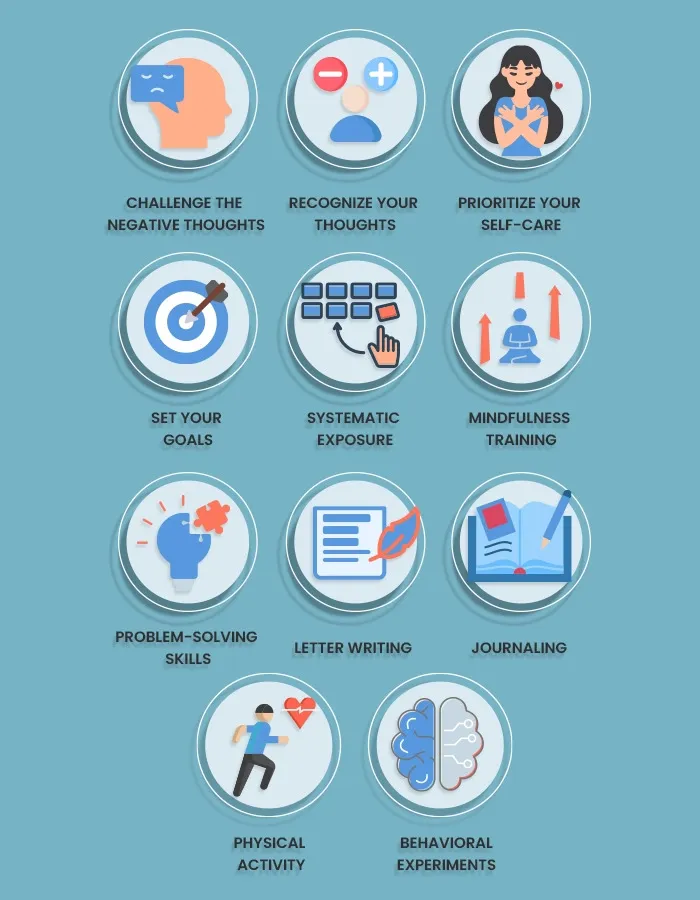
Depending on your goals, therapy may include identifying unhelpful thought patterns, building emotional regulation skills, practicing communication, processing difficult experiences, or creating a plan for managing stress. Online therapy can be effective for many concerns when it is delivered by a qualified professional and suits the person’s needs.nimh.nih+1
If you are ready to begin, you can book an online therapy session and discuss what support would feel most helpful.
Is Online Therapy Right for Everyone?
Online therapy is a strong option for many people, but it is not the right format for every situation. Some people prefer in-person connection, lack a private place for sessions, have unreliable internet access, or need a higher level of immediate care.
Before starting, ask a prospective therapist:
- What experience do you have with my concern?
- Which therapy approach do you use?
- How do you protect privacy during online sessions?
- What happens if I need urgent support between sessions?
- Would online or in-person therapy better suit my needs?
A licensed mental health professional can help you decide which form of care is appropriate for your circumstances.
Take the First Step at Your Pace
Online therapy can make mental health support more flexible, private, and accessible—whether you are dealing with anxiety, relationship stress, low mood, or a difficult life transition. You do not need to wait until things feel unbearable to speak with someone.




























Sign in to leave a comment.