

Struggling with a relationship crisis? Discover 6 evidence-informed tips to rebuild trust and connection — and learn how online therapy can help.
This article is for informational purposes only and is not a substitute for professional psychological or medical advice. If you are experiencing a mental health emergency, please contact your local emergency services or a crisis line such as the 988 Suicide & Crisis Lifeline (U.S.).
Introduction
Constant arguments, silence where conversation used to be, a growing sense of distance — a relationship crisis can leave you feeling exhausted, confused, and unsure whether things can be repaired. You're not alone, and a crisis doesn't have to mean the end. With the right tools and support, many couples move through this stage stronger than before. Below are six practical, psychology-informed tips to help you navigate a relationship crisis.
1. Name What's Actually Happening
Before you can resolve a crisis, you need to understand it clearly. Vague dissatisfaction ("we just don't connect anymore") is harder to address than a specific pattern ("we stop talking whenever money comes up"). Take time individually, or together, to identify the recurring triggers, the emotions underneath them, and when the strain began.
- Write down the situations that consistently lead to conflict
- Notice whether the pattern is about a specific issue or a general communication breakdown
- Separate the immediate trigger from the deeper, ongoing concern
2. Practice Communication Without Blame
Criticism and defensiveness are two of the most common drivers of relationship breakdown. Shifting from blame-based language ("You never listen to me") to need-based language ("I feel unheard when we don't check in daily") reduces defensiveness and opens space for real dialogue.
- Use "I" statements instead of "you" statements
- Focus on one issue at a time rather than bringing up past grievances
- Pause the conversation if either partner becomes flooded with emotion, and return to it later
3. Rebuild Trust Through Small, Consistent Actions
Trust is rarely restored through a single grand gesture — it's rebuilt through repeated, reliable behavior over time. If trust has been broken, whether through dishonesty, emotional withdrawal, or unmet commitments, focus on small, verifiable actions rather than promises alone.
- Follow through on small commitments consistently
- Be transparent about decisions that affect the relationship
- Allow trust to rebuild gradually rather than expecting instant repair
4. Identify Cognitive Distortions Fueling the Conflict
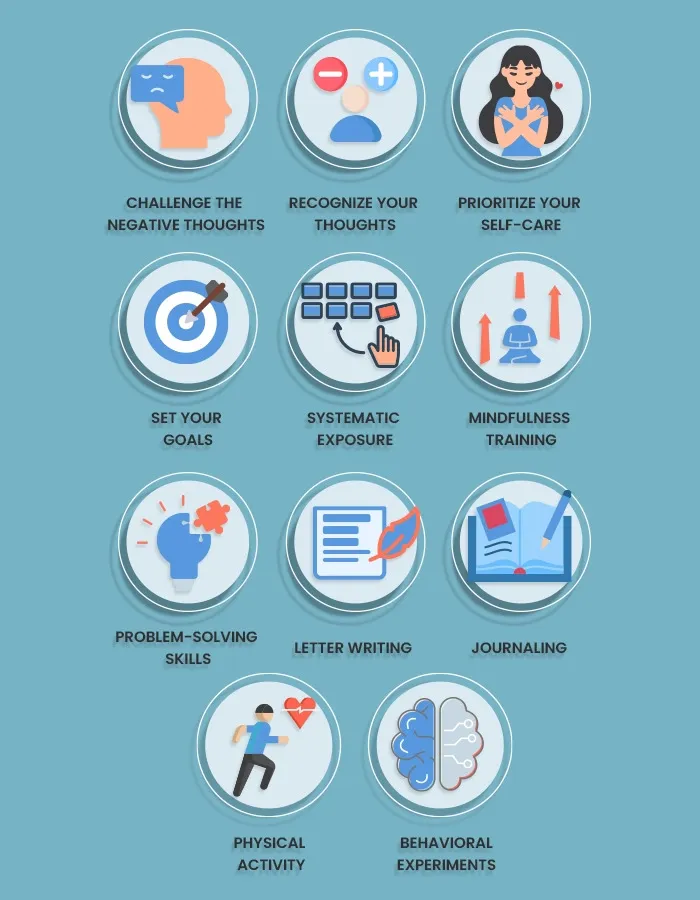
Cognitive distortions are unhelpful thinking patterns — such as assuming the worst about a partner's intentions or seeing every disagreement as proof the relationship is failing — that intensify conflict. Recognizing these patterns, a technique drawn from cognitive behavioral therapy (CBT), can prevent minor disagreements from escalating into full-blown crises.
- Notice all-or-nothing thinking ("This always happens" or "Nothing ever changes")
- Question assumptions about a partner's motives before reacting
- Ask whether the current thought reflects the actual situation or a worst-case interpretation
5. Protect Space for Connection, Not Just Conflict Resolution
During a crisis, most interactions can narrow down to problem-solving and disagreement, leaving little room for warmth or connection. Deliberately protecting time for positive interaction — separate from conflict discussions — helps preserve the emotional bond while other issues are being worked through.
- Set aside conflict-free time together, even briefly
- Reintroduce small rituals of connection, like a shared meal or daily check-in
- Avoid using this time to revisit unresolved arguments
6. Know When to Seek Professional Support
Some relationship crises can be worked through independently, but many benefit from the structure and neutrality a licensed therapist provides. Couples counseling can help both partners communicate more effectively, understand recurring patterns, and rebuild trust with professional guidance rather than trial and error. If the crisis involves ongoing emotional distress, anxiety, or feelings of hopelessness for either partner, connecting with a licensed online psychologist can provide additional support beyond what the relationship work alone addresses.
Couples therapy in particular is one of the most well-supported interventions for relationship distress, and starting is often more accessible than people expect — you can book a session with a licensed therapist online, on your own schedule.
When Stress From the Relationship Feels Bigger Than the Relationship Itself
It's common for relationship strain to spill into other areas of life, including sleep, focus, and overall anxiety levels. If you're noticing that the stress of the crisis is affecting your day-to-day functioning, our guide on practical strategies for managing anxiety offers additional coping tools that can be used alongside relationship-focused work.
According to the American Psychological Association, healthy relationships are linked to better stress management and overall well-being — which is part of why addressing a relationship crisis early, rather than avoiding it, tends to support both partners' mental health.
Moving Forward
A relationship crisis is difficult, but it is not automatically a sign that the relationship is over. Naming the real issue, communicating without blame, rebuilding trust through consistent action, catching distorted thinking, protecting space for connection, and knowing when to bring in professional support are all steps that can help you and your partner move from crisis toward clarity. If these signs resonate with you, speaking with a licensed psychologist or couples counselor is a meaningful first step — and it's easier to get started than you might think.























Sign in to leave a comment.