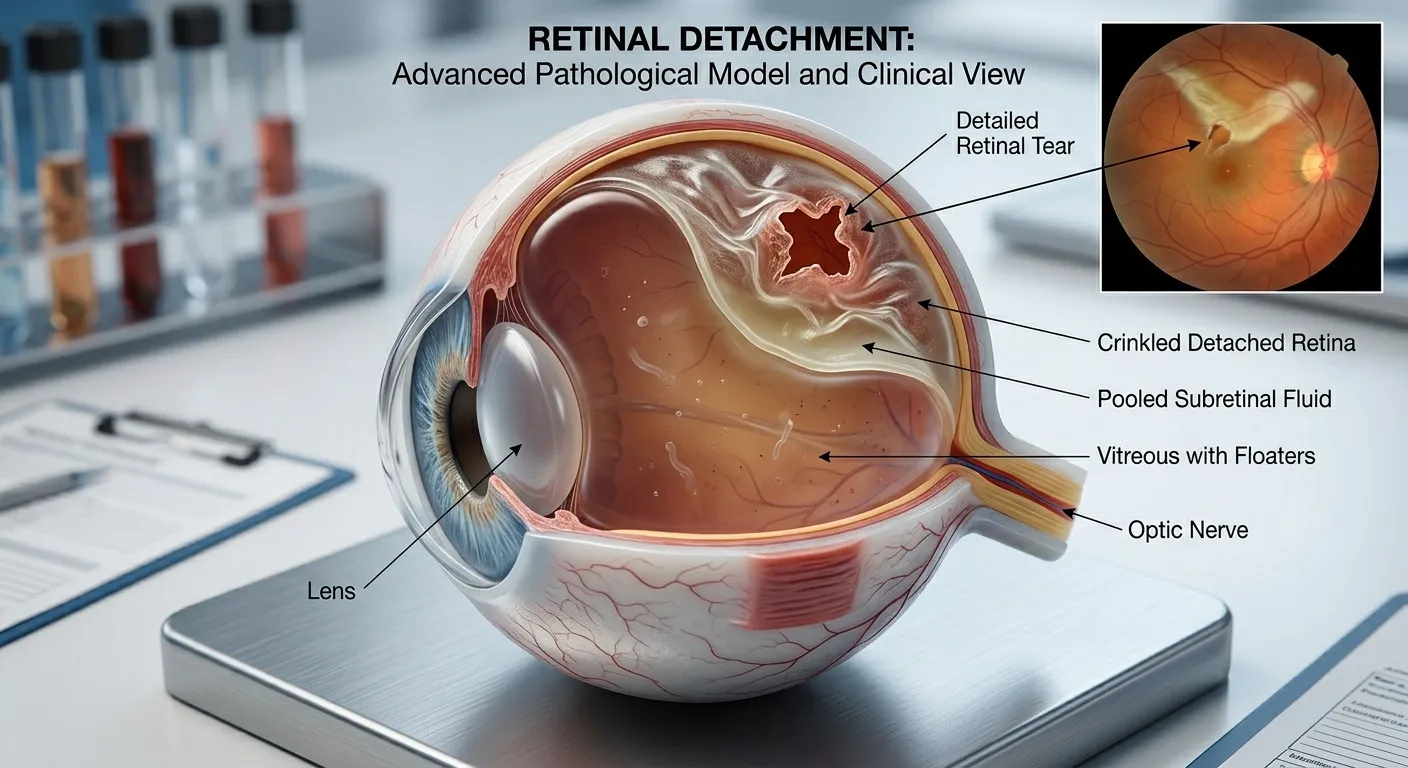

Retinal detachment is a serious eye emergency that can lead to permanent vision loss if left untreated. Many people wonder whether the condition can resolve on its own or if surgery is always necessary. If you are searching for retinal detachment in Tampa treatment options, understanding the urgency of this condition is essential because early intervention greatly improves the chances of preserving vision.
The short answer is no—retinal detachment does not heal without surgery in most cases.
What Is Retinal Detachment?
Retinal detachment occurs when the retina, the light-sensitive tissue located at the back of the eye, separates from its normal position. Once detached, the retina loses access to the oxygen and nutrients supplied by underlying blood vessels.
Without prompt treatment, the affected retinal cells can become permanently damaged, leading to irreversible vision loss.
Common types of retinal detachment include:
1. Rhegmatogenous retinal detachment (caused by a retinal tear)
2. Tractional retinal detachment (caused by scar tissue pulling on the retina)
3. Exudative retinal detachment (caused by fluid accumulation beneath the retina)
Can Retinal Detachment Heal on Its Own?
No. A true retinal detachment will not reattach itself naturally.
Unlike some minor eye conditions, retinal detachment requires medical intervention because the retina cannot reposition itself once it has separated from the underlying tissue.
Delaying treatment can:
1. Increase the risk of permanent blindness
2. Cause progressive loss of central and peripheral vision
3. Reduce the success rate of treatment
4. Lead to long-term complications
If symptoms appear, immediate evaluation by a retina specialist is necessary.
What Are the Warning Signs of Retinal Detachment?
Symptoms often appear suddenly and should never be ignored.
Watch for these signs:
1. A sudden increase in eye floaters
2. Flashes of light in one or both eyes
3. Blurred or distorted vision
4. Reduced side (peripheral) vision
5. A dark curtain or shadow moving across your field of vision
Even if symptoms seem mild, seeking emergency eye care is crucial.
When Is Surgery Necessary?
In most cases, surgery is the only effective treatment for retinal detachment.
The appropriate procedure depends on the severity and location of the detachment.
Common surgical treatments include:
A. Pneumatic Retinopexy
A gas bubble is injected into the eye to help push the retina back into place.
B. Scleral Buckle Surgery
A silicone band is placed around the eye to relieve pressure and support retinal reattachment.
C. Vitrectomy
The vitreous gel is removed and replaced with a gas bubble or silicone oil to stabilize the retina.
A retina specialist will determine the most suitable treatment based on your condition.
Are There Any Non-Surgical Options?
Non-surgical treatments may only be effective before a full detachment occurs.
For example:
1. Laser photocoagulation can seal small retinal tears.
2. Cryopexy (freezing treatment) can repair certain retinal breaks.
However, these procedures are preventive treatments and are not substitutes for surgery once the retina has detached.
Who Is at Higher Risk for Retinal Detachment?
Several factors increase your risk, including:
1. Age over 50
2. Severe nearsightedness (high myopia)
3. Previous eye surgery, especially cataract surgery
4. Eye injuries or trauma
5. Family history of retinal detachment
6. Diabetes-related eye disease
Routine comprehensive eye examinations can help detect problems early.
Wrappping Up
Retinal detachment cannot heal without surgery. Waiting for symptoms to improve on their own can result in permanent vision loss. Early diagnosis and prompt treatment offer the best opportunity to preserve eyesight and prevent serious complications.
If you experience sudden flashes, floaters, blurred vision, or a shadow across your vision, seek immediate care from a qualified retina specialist. Acting quickly can make a significant difference in protecting your long-term eye health.


























Sign in to leave a comment.