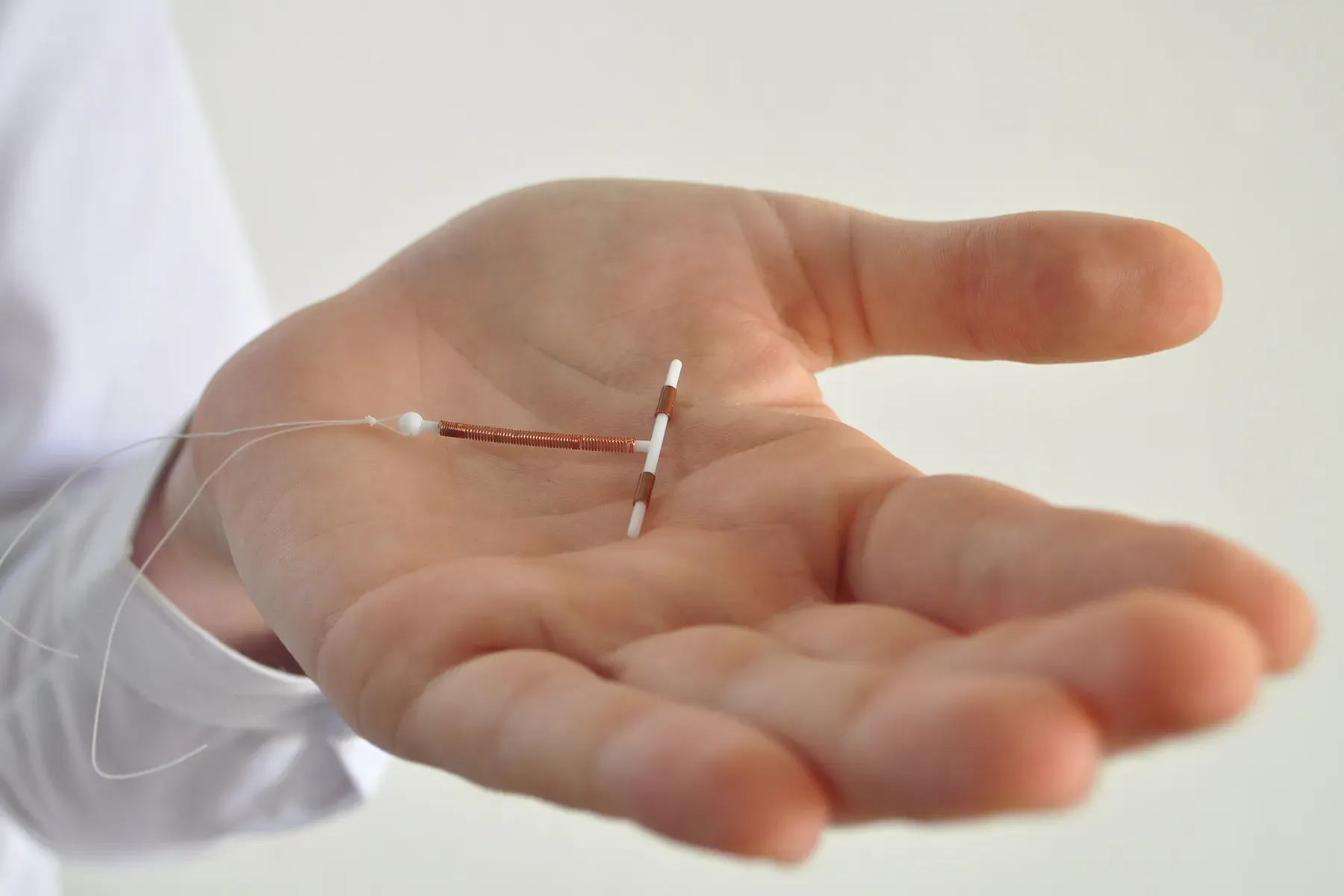

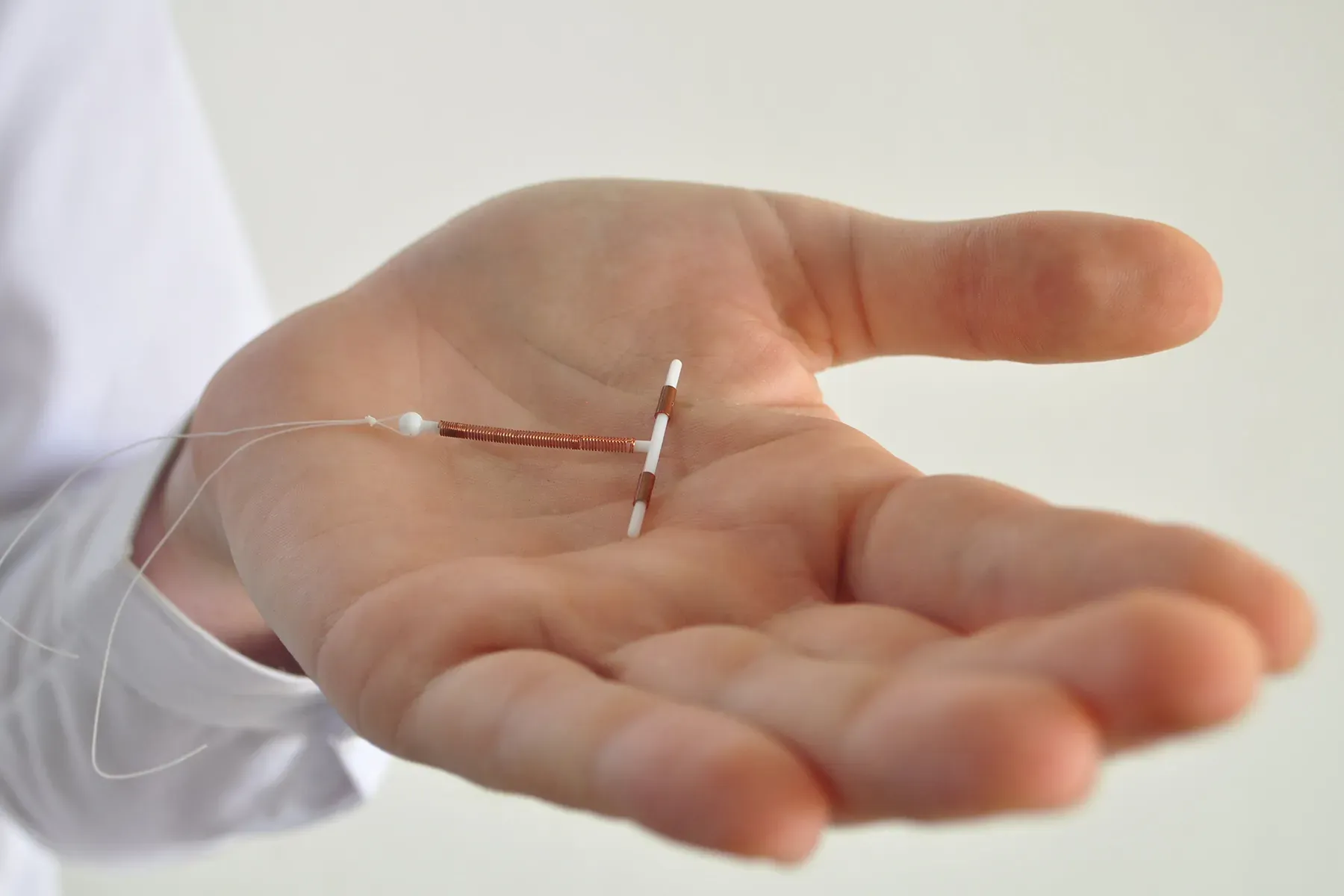
Among the many birth control options available today, the IUD continues to stand out as one of the most consistently chosen methods for women seeking reliable, long-term protection. Its combination of high effectiveness, minimal daily maintenance, and long duration of use has kept it near the top of the list for women weighing their contraception options, even as newer methods have entered the market.
Understanding what makes the IUD such a popular and enduring choice helps explain why so many women, after weighing the available alternatives, ultimately decide it fits their needs better than other options.
What an IUD Actually Is
An IUD, or intrauterine device, is a small device inserted into the uterus by a healthcare provider to prevent pregnancy. Depending on the specific type, an IUD can remain effective for several years, offering long-term protection without requiring daily attention. Two main categories exist: hormonal IUDs, which release a small amount of progestin, and non-hormonal copper IUDs, which prevent pregnancy through a different mechanism entirely.
This variety allows women to choose an IUD type that aligns with their specific health considerations and personal preferences, rather than a single one-size-fits-all option.
Why Effectiveness Sets the IUD Apart
One of the primary reasons the IUD remains such a popular choice involves its effectiveness rate. Unlike methods that depend on consistent daily action, such as remembering to take a pill at the same time each day, the IUD works continuously once placed, removing the risk of reduced effectiveness due to human error.
This distinction matters significantly for women who lead busy or unpredictable lives, where remembering a daily medication consistently can prove challenging. Once an IUD is properly placed, it provides reliable protection without requiring ongoing daily effort.
The Convenience Factor Continues to Drive Interest
Beyond effectiveness, convenience plays a significant role in why so many women choose the IUD over other options. Key convenience factors include:
- ● No daily action required once the device is placed
- ● Long duration of protection, often lasting several years depending on the specific type
- ● No need to remember refills or prescription renewals during the device's effective period
- ● Ability to become pregnant relatively quickly after removal, for women planning future pregnancies
This combination of long-term reliability and minimal ongoing effort explains much of the IUD's sustained popularity among women prioritizing convenience alongside effectiveness.
What the Insertion Process Actually Involves
Many women considering an IUD have questions about what the insertion process actually involves, and addressing these questions honestly helps set realistic expectations. The process typically takes place during a routine office visit and generally includes:
- ● A pelvic exam to assess the uterus prior to placement
- ● Insertion of the device through the cervix into the uterus using a specialized applicator
- ● A brief period of monitoring to confirm proper placement
- ● Guidance on what to expect during the initial adjustment period afterward
While some discomfort during the procedure is common, most women find the process manageable, and many providers offer guidance on pain management options to help ease this brief part of the experience.
Addressing Common Concerns About the IUD
Several concerns come up repeatedly among women considering an IUD, and addressing these directly helps women make a fully informed decision. Common concerns include:
- ● Worry about pain during insertion, which varies by individual but is generally manageable and brief
- ● Questions about changes to menstrual bleeding patterns, which can vary depending on the specific type chosen
- ● Concerns about the device shifting or becoming displaced, which is uncommon but worth discussing with a provider
- ● Uncertainty about the removal process, which is typically quick and straightforward when performed by a trained provider
Providers who address these concerns openly, rather than glossing over them, help women feel genuinely prepared for what to expect throughout their experience with the device.
Why the IUD Works Well for Many Different Life Stages
The IUD's flexibility across different life stages contributes significantly to its continued popularity. Younger women appreciate the long-term reliability without needing to think about contraception daily, while women who have completed their families sometimes choose an IUD as a highly effective option that avoids the permanence of surgical sterilization.
For women planning future pregnancies, the ability to have the device removed and regain fertility relatively quickly afterward adds further appeal, since it does not require the same recovery considerations that come with reversing certain other long-term contraception methods.
Comparing Hormonal and Non-Hormonal Options
Choosing between a hormonal and non-hormonal IUD often comes down to personal health history and preference. Hormonal IUDs release a small amount of progestin, which can also help reduce menstrual bleeding and cramping for many women. Non-hormonal copper IUDs avoid hormones entirely, making them an appealing choice for women who prefer to avoid hormonal contraception for personal or medical reasons.
A thorough conversation with a provider helps women understand which option better aligns with their specific health profile and personal preferences, since neither option is inherently better for every individual.
Why Ongoing Provider Support Matters
Choosing an IUD is not simply a one-time decision made in isolation. Ongoing support from a provider helps women navigate the adjustment period, address any concerns that arise, and confirm the device remains properly placed during routine follow-up care.
This ongoing relationship matters significantly for ensuring women feel confident and supported throughout the entire duration they use the device, rather than feeling uncertain after the initial insertion appointment.
What to Discuss Before Choosing an IUD
Women considering an IUD benefit from a thorough conversation covering several key topics before moving forward. Helpful discussion points include:
- ● Personal and family health history relevant to IUD safety and suitability
- ● Specific concerns about pain, bleeding changes, or other potential side effects
- ● Long-term family planning goals and how they might affect the choice between IUD types
- ● Questions about what to expect during insertion and the adjustment period afterward
Conclusion
The IUD's combination of high effectiveness, long duration, and minimal daily maintenance continues to make it one of the most reliably popular choices among women seeking long-term contraception. Understanding how the device works, what the insertion process involves, and how it compares to other options helps women make a confident, informed decision that genuinely fits their needs. Raleigh Gynecology and Wellness, PA has guided women through exactly this kind of thoughtful decision-making for over three decades, providing clear information and compassionate care throughout the process. For women considering an IUD, a detailed conversation with an experienced provider is the best place to start.























Sign in to leave a comment.