
A standard dental check-up and clean in Australia typically costs $150 to $250 without insurance, though the exact price varies depending on whether X-rays are included, the complexity of the clean required, and where in the country you're located. With private health insurance extras cover, this cost is often reduced significantly or covered close to in full, depending on your specific policy and annual limits. Below, we break down exactly what a check-up includes, what drives the cost up or down, and how to get a clearer picture of what you'll actually pay.
What Does a Standard Dental Check-Up Actually Include?
A standard dental check-up typically includes a visual examination of your teeth and gums, an assessment for signs of decay or gum disease, a professional clean to remove plaque and tartar, and often a discussion of any concerns or recommended next steps. Some check-ups also include X-rays, though this isn't always part of every visit, since X-ray frequency is generally based on individual risk and how recently previous X-rays were taken. Our checkup and clean service covers this full scope as a standard part of routine preventive care.
Why Does the Cost of a Check-Up Vary So Much Between Practices?
The cost of a check-up varies between practices due to differences in location, the specific equipment and technology used, how much time is allocated to each appointment, and whether X-rays or additional diagnostic tools are included as standard. Practices in metropolitan areas or those using more advanced digital scanning and imaging technology may charge somewhat more than a smaller, more basic practice, though this doesn't necessarily reflect a difference in the quality of care provided. It's worth asking directly what's included in the quoted price for a check-up, since a lower headline price sometimes excludes X-rays or other components that could be added as a separate cost.
Does a Check-Up Cost More If You Need X-Rays?
A check-up typically costs more if X-rays are needed, since imaging is usually billed separately from the base examination and clean, though many practices bundle a standard set of X-rays into their overall check-up pricing. X-rays are an important diagnostic tool for catching decay between teeth or below the gumline that isn't visible during a standard visual exam, so while they add to the cost, they also add meaningful value in catching issues early. If you're unsure whether your quoted price includes X-rays, it's worth confirming this directly when booking to avoid an unexpected addition to your bill.
How Much Does a Check-Up Cost With Private Health Insurance?
With private health insurance extras cover, a check-up often costs significantly less out of pocket, sometimes close to nothing, depending on your specific policy's rebate percentage and whether you've reached your annual limit for preventive services. Most Australian health funds offer a strong rebate for preventive care specifically, since insurers generally want to encourage the kind of regular maintenance that helps avoid more expensive treatment later. It's worth checking your specific policy details or asking your dental practice to confirm your expected out-of-pocket cost before your appointment, since coverage varies meaningfully between funds and levels of cover.
Is a Check-Up More Expensive If It's Your First Visit to a New Practice?
A first visit to a new practice can sometimes cost slightly more than a routine follow-up check-up, since a comprehensive initial exam may involve a more thorough review of your full dental history, existing work, and any X-rays needed to establish a baseline picture of your oral health. This is a reasonable, one-time additional step, since a new dentist doesn't yet have your history on file the way your previous provider would. Our general dentistry team can provide a clear quote for a first visit specifically, so there are no surprises when transitioning to a new practice.
Does the Cost of a Check-Up Change If You Need Additional Treatment?
The base cost of a check-up covers the examination and clean itself, and any additional treatment identified during the visit, such as a filling or further gum treatment, is quoted and billed separately rather than being included in the standard check-up price. This means the headline check-up cost is generally a reliable starting point, but it's not necessarily the full amount you'll pay if the visit reveals an issue requiring further treatment. Your dentist will typically discuss any additional recommended treatment and its associated cost before proceeding, so you're not caught off guard by unexpected charges during the appointment itself.
Are Children's Check-Ups Cheaper Than Adult Check-Ups?
Children's check-ups are often more affordable, and for many families, largely or fully covered through the Child Dental Benefits Schedule, which provides eligible children with up to $1,132 in government-funded dental benefits over 2 calendar years. This scheme covers a range of services including check-ups, X-rays, fillings, and cleans, making routine preventive care for children considerably more accessible for eligible families compared to the equivalent cost for an adult without this coverage. Eligibility depends on the family receiving certain government payments, so it's worth confirming your specific eligibility when booking a child's appointment.
How Often Do You Need to Pay for a Check-Up?
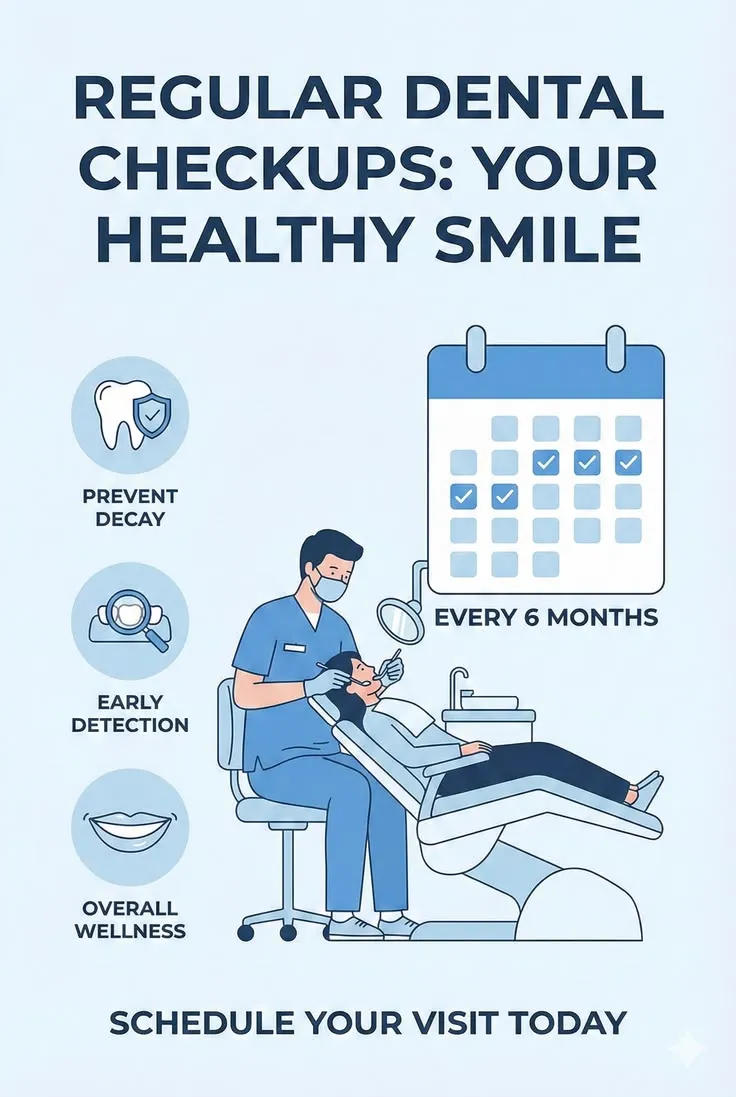
Most people need a check-up every 6 months, meaning the annual cost of routine preventive care for one person is generally the cost of 2 visits per year, though some patients with higher risk factors may be advised to attend more frequently. Budgeting for 2 visits annually gives a more realistic picture of the yearly cost of preventive dental care than considering the price of a single visit in isolation. Patients with insurance should also factor in their policy's annual limit, since 2 visits a year is often designed to align closely with what most policies cover under standard preventive extras.
Is It Cheaper Overall to Skip Check-Ups and Only See a Dentist When Something Hurts?
Skipping routine check-ups to save money often costs more overall, since untreated issues typically progress and require more extensive, more expensive treatment the longer they're left unaddressed. A small cavity caught early and treated with an affordable filling can, if left unchecked, progress into a condition requiring a root canal or even extraction, turning a modest cost into a significantly larger one. This pattern is one of the most commonly overlooked long-term costs of avoiding regular check-ups, since the price of prevention is almost always lower than the price of delayed treatment.
Frequently Asked Questions
Does the Medicare rebate cover any part of a dental check-up?
Medicare generally doesn't cover routine dental check-ups for most adults, since dental care sits outside standard Medicare coverage in Australia, with the exception of specific schemes like the Child Dental Benefits Schedule for eligible children. Most adults rely on private health insurance extras cover or out-of-pocket payment for routine dental care.
How much does a check-up cost without any insurance at all?
A check-up without insurance typically costs $150 to $250, depending on the practice, location, and whether X-rays are included as part of the visit. It's worth confirming the exact inclusions and price directly with your chosen practice before booking.
Can I get a quote before booking a check-up?
Yes, most dental practices can provide a general price guide for a standard check-up over the phone or online before you book, though the exact final cost may depend on what's found during the exam if additional treatment is needed. It's reasonable to ask for this information upfront if cost is a key consideration for you.
Is it worth paying for a more expensive check-up at a practice with newer technology?
Whether it's worth paying more for a practice with newer technology depends on your personal priorities, since advanced digital scanning and imaging can offer benefits like improved comfort and diagnostic accuracy, though a more basic, lower-cost check-up can still provide thorough, effective preventive care. It often comes down to weighing these additional comfort and precision benefits against your specific budget.
























Sign in to leave a comment.