

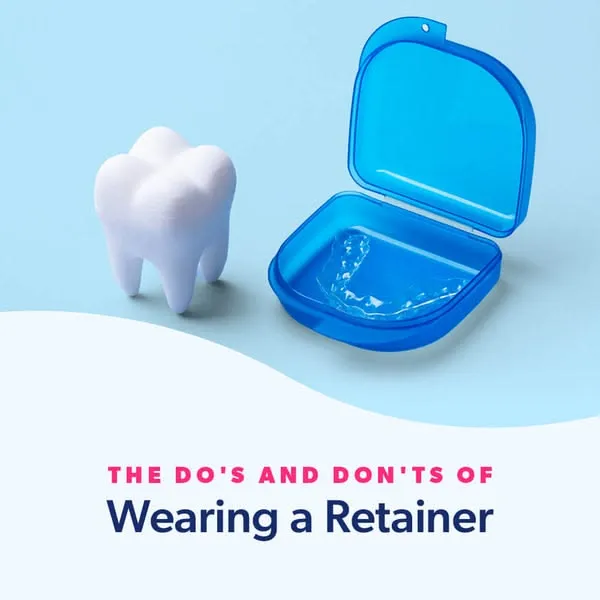
Fixed retainers stay bonded to the back of your teeth permanently, requiring no daily effort but more careful cleaning, while removable retainers offer flexibility and easier hygiene but depend entirely on consistent wear to work. Both are designed to do the same job — holding your teeth in position after orthodontic treatment — but they suit genuinely different lifestyles and levels of daily discipline. Below, we compare the two directly, so you can think through which one actually fits how you live day to day.
Why Do You Need a Retainer After Orthodontic Treatment at All?
You need a retainer after orthodontic treatment because teeth naturally drift back toward their original position once the active force of braces or clear aligners is removed, a process that can begin surprisingly quickly without ongoing support. This drift happens because the ligaments and bone surrounding your teeth need time to fully stabilise in their new position, and a retainer holds everything in place while that stabilisation takes place. Skipping retention entirely, even for a short period, risks undoing some of the progress your original treatment achieved, which is why every orthodontic plan includes a retention phase of some kind.
What Is a Fixed Retainer, and How Does It Work?
A fixed retainer is a thin wire bonded directly to the back surface of your front teeth using dental cement, designed to hold your teeth in position continuously without requiring any daily action from you. Because it's permanently in place, there's no risk of forgetting to wear it or losing it, which makes it a genuinely low-effort option once it's fitted. The trade-off is that cleaning around a fixed retainer requires more care and specific tools, like a floss threader or water flosser, since the wire itself blocks the path that standard flossing would normally take between your teeth.
What Is a Removable Retainer, and How Does It Work?
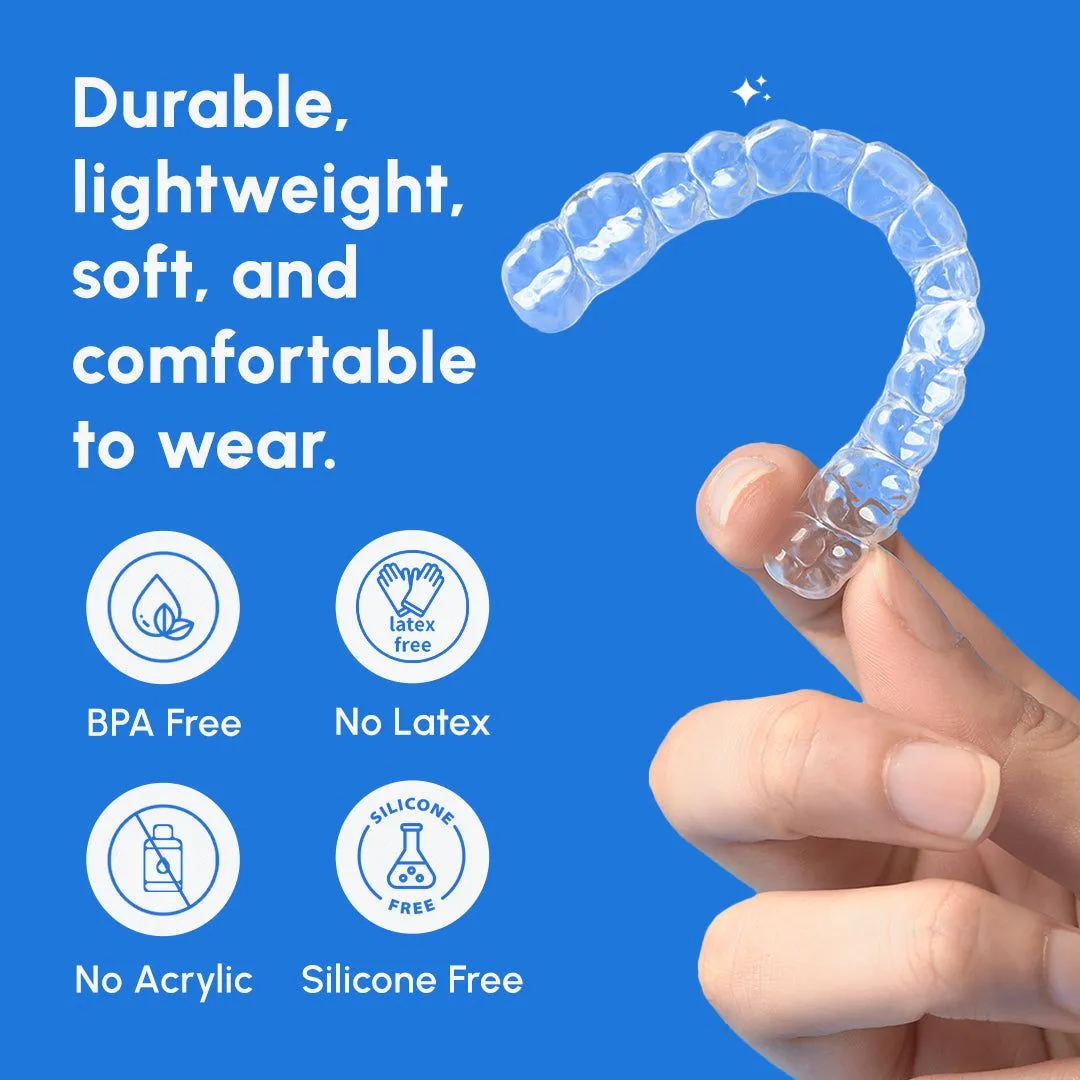
A removable retainer is a custom-made appliance, either a clear plastic tray similar to a clear aligner or a retainer with visible wire and acrylic, that you take in and out yourself, typically worn overnight or for a set number of hours each day. This flexibility means you can eat, drink, and clean your teeth completely normally without needing to work around the retainer at all, since it's simply removed beforehand. The trade-off is that its effectiveness depends entirely on consistent wear, meaning results are only as reliable as your discipline in actually putting it back in as instructed.
Which Option Is Easier to Keep Clean?
Removable retainers are generally easier to keep clean, since taking them out allows you to brush and floss your teeth exactly as you normally would, and the retainer itself can be cleaned separately with a brush or soaking solution. Fixed retainers require more deliberate effort, since the bonded wire sits directly against your teeth and blocks the normal path of floss, meaning you'll need a floss threader or water flosser to clean effectively underneath and around it. This difference matters meaningfully for patients who already find flossing a struggle, since a fixed retainer adds a genuine extra step to what was previously a straightforward part of daily hygiene.
Does a Fixed Retainer Increase the Risk of Plaque Buildup?
A fixed retainer can increase the risk of plaque buildup specifically around the bonded wire if cleaning isn't done thoroughly, since the wire creates additional surface area and small gaps where bacteria can accumulate if not properly reached. This isn't an inevitable outcome, but it does require more intentional cleaning technique than most patients are used to, which is why dentists typically provide specific guidance on how to floss effectively around a fixed retainer at the time it's fitted. Patients who commit to this extra step generally maintain excellent gum health around the retainer, but those who skip it are more likely to develop irritation or early gum inflammation in that specific area.
Which Option Requires More Discipline to Be Effective?
Removable retainers require significantly more daily discipline to be effective, since results depend entirely on wearing the retainer as instructed, and inconsistent use allows teeth to begin drifting back toward their original position. Fixed retainers, by contrast, work passively in the background without requiring any action from you day to day, removing the risk of relapse caused by forgetting or choosing not to wear a removable device consistently. This is one of the most significant practical differences between the two, and it's often the deciding factor for patients who know themselves well enough to recognise whether consistent removable-retainer wear is realistic for their lifestyle.
Which Option Is Better Suited to an Active or Busy Lifestyle?
A fixed retainer tends to suit a busy or active lifestyle particularly well, since there's nothing to remember, lose, or forget to bring along when travelling or during a hectic daily routine. Removable retainers require you to consistently have the retainer with you and remember to wear it at the specified times, which can become a genuine challenge during busy periods, travel, or simply amid the general forgetfulness that affects most people at least occasionally. Patients who already struggle to maintain consistent routines, or who travel frequently, often find a fixed retainer removes an entire category of things they'd otherwise need to manage.
Can You Eat Normally With Both Types of Retainer?
You can eat entirely normally with a removable retainer, since it's simply taken out beforehand, while a fixed retainer requires some extra care around hard or sticky foods, similar to precautions taken with braces, since excessive force could potentially dislodge or damage the bonded wire. This is a smaller consideration than it might initially seem, since most day-to-day eating doesn't pose any real risk to a fixed retainer, but foods like ice, hard lollies, or very sticky caramel are worth approaching with a bit more caution. For patients who particularly value not having to think about any food restrictions at all, this is a point in favour of a removable retainer.
Which Option Lasts Longer?
Fixed retainers can last many years, sometimes even a decade or more, without needing replacement, provided the bond stays intact and the wire isn't damaged, while removable retainers typically need replacing periodically, since the plastic or acrylic can wear down or lose its precise fit over time with regular use. This longevity is another point in favour of fixed retainers for patients seeking a genuinely long-term, low-maintenance solution, though a fixed retainer can still occasionally come loose at one end and require rebonding, which is a straightforward, quick fix at your dentist.
Can You Switch Between the Two Types of Retainer?
Some patients use a combination approach, wearing a fixed retainer on the lower front teeth, where movement is often more noticeable and disruptive, paired with a removable retainer for the upper teeth, balancing the benefits of both options depending on the specific area involved. This kind of tailored approach is common and reflects that the "right" choice doesn't always mean picking one option exclusively, particularly since the lower and upper arches can sometimes benefit from different retention strategies based on individual movement patterns. Discussing this directly with your dentist during your general dentistry or orthodontic follow-up appointment is the best way to determine whether a combined approach makes sense for your specific case.
How Do You Decide Which Type of Retainer Is Right for You?
The right choice comes down to weighing your priorities honestly: choose a fixed retainer if you want a low-effort, always-on solution and are comfortable with slightly more involved cleaning, or choose a removable retainer if you value flexibility and easier hygiene and are confident in your ability to wear it consistently as instructed. Neither option is universally "better," since the most effective retainer is ultimately the one that actually gets used correctly and consistently for as long as retention is needed. A conversation with your dentist about your specific case, habits, and lifestyle is the most reliable way to land on the option that's genuinely realistic for you long-term.
Frequently Asked Questions
How long do I need to wear a retainer after treatment?
Retention is generally needed indefinitely to some degree, since teeth can continue to shift even years after active orthodontic treatment ends, though the required wear schedule for a removable retainer typically decreases over time from full-time to nights only. Your dentist will provide a specific schedule tailored to your case and adjust it based on how your teeth respond over the following months and years.
What happens if my fixed retainer breaks or comes loose?
If a fixed retainer breaks or comes loose, you should contact your dentist promptly rather than attempting to fix or remove it yourself, since a partially detached wire can sometimes cause more irritation than one that's either fully intact or properly addressed. Rebonding a loose section is usually a quick, straightforward procedure.
Can I lose weight or gain weight while wearing a removable retainer?
Weight changes generally don't significantly affect the fit of a removable retainer, since it's designed around the position of your teeth rather than facial structure more broadly. If you do notice the fit feels different over time, it's worth having your dentist check whether any tooth movement has occurred.
Is one type of retainer more expensive than the other?
Cost varies by provider and specific case, and neither option is consistently more expensive than the other across the board, since pricing reflects the complexity of your case and the type of appliance used rather than a fixed difference between fixed and removable options generally. It's worth discussing cost directly with your dentist based on your specific retention plan.




























Sign in to leave a comment.