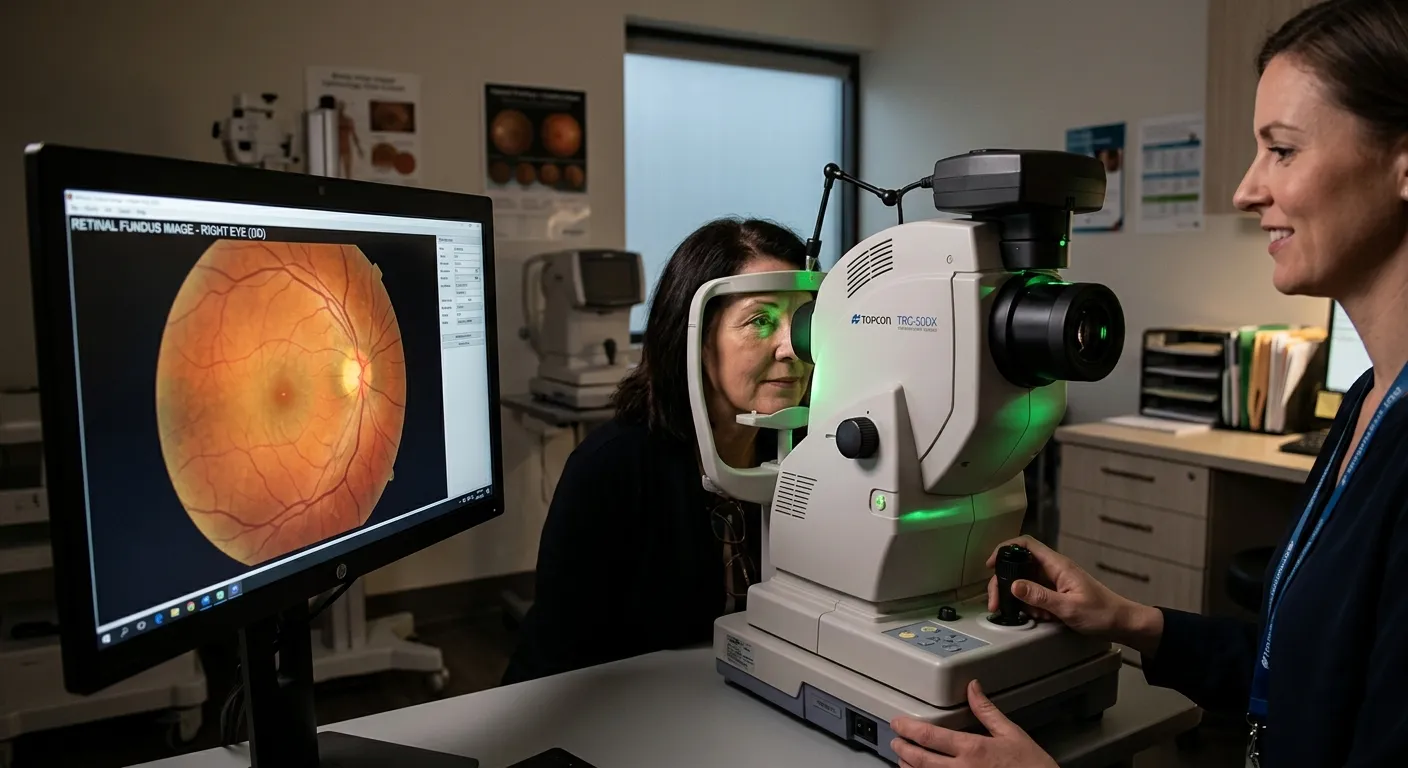

Your eyes can reveal more about your health than you may realize. Modern eye technology allows doctors to identify early signs of serious eye and systemic conditions before symptoms become severe. One of the most effective diagnostic tools used today is retinal imaging.
Many patients ask, what is retinal imaging and why is it important for eye health? Retinal imaging is a non-invasive eye test that captures detailed digital images of the retina, optic nerve, and blood vessels at the back of the eye. These high-resolution images help eye specialists detect diseases early and monitor changes over time.
Why Retinal Imaging Matters?
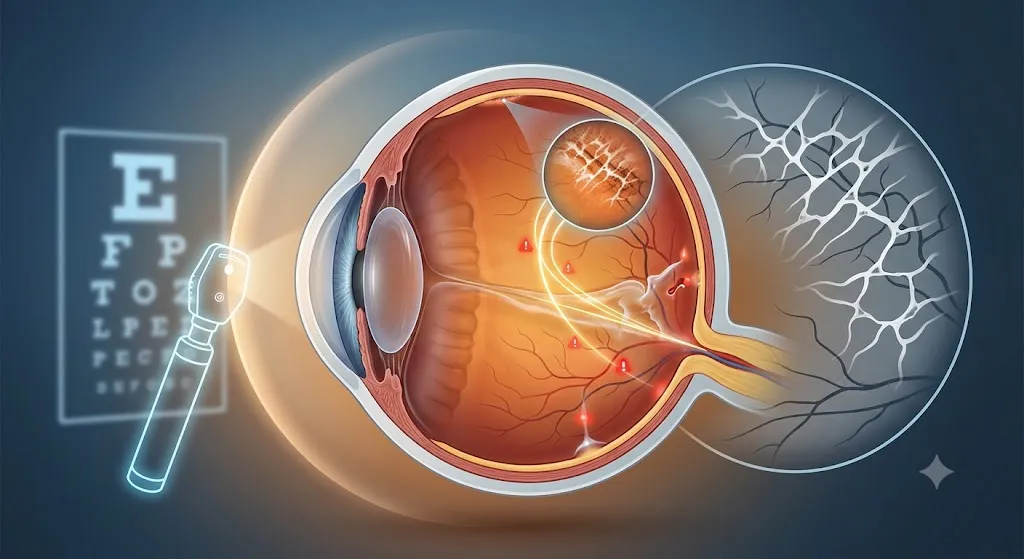
The retina is directly connected to the brain and contains tiny blood vessels that reflect overall health conditions. Retinal imaging helps ophthalmologists and optometrists identify abnormalities that may otherwise go unnoticed during a standard eye exam.
Benefits of retinal imaging include:
1. Early disease detection
2. Better monitoring of eye conditions
3. Non-invasive and painless testing
4. Detailed digital records for comparison
5. Improved long-term vision care
Because many eye diseases develop silently, early diagnosis through retinal scans can help prevent permanent vision loss.
Diseases Retinal Imaging Can Detect
A. Diabetic Retinopathy
Diabetic retinopathy is one of the leading causes of blindness in adults with diabetes. Retinal imaging can detect:
1. Leaking blood vessels
2. Retinal swelling
3. Tiny hemorrhages
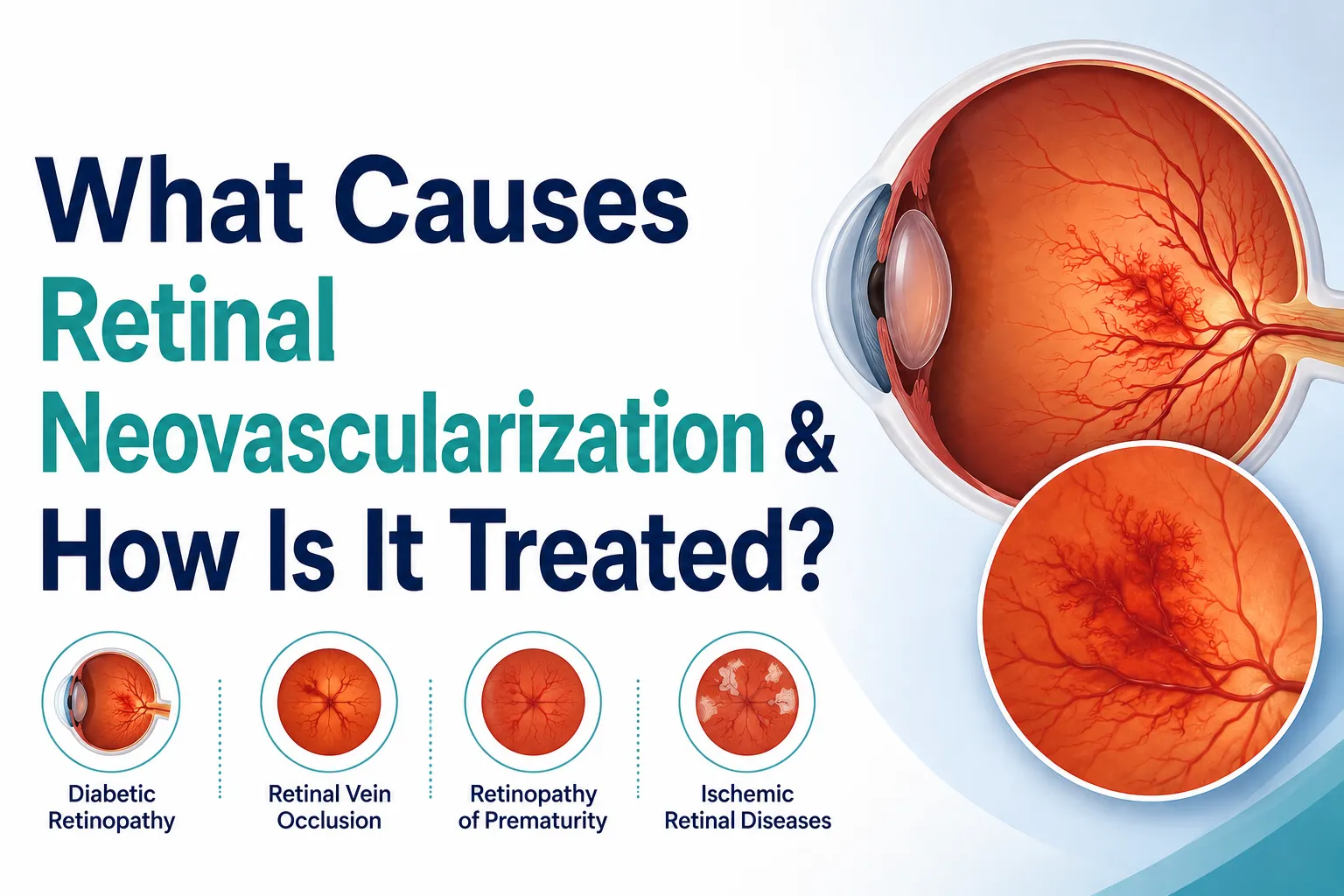
4. Abnormal blood vessel growth
Early detection allows timely treatment and better diabetes management before significant vision damage occurs.
B. Glaucoma
Glaucoma damages the optic nerve and often develops without noticeable symptoms in the early stages. Retinal imaging helps eye doctors examine:
1. Optic nerve changes
2. Nerve fiber thinning
3. Increased eye pressure damage
Regular retinal scans are especially important for people with a family history of glaucoma.
C. Age-Related Macular Degeneration (AMD)
Age-related macular degeneration affects central vision and commonly occurs in older adults. Retinal imaging can identify:
1. Drusen deposits
2. Macular deterioration
3. Retinal pigment changes
4. Fluid buildup under the retina
Detecting AMD early may slow disease progression and preserve vision.
D. Retinal Detachment
Retinal detachment is a medical emergency that can lead to permanent blindness if untreated. Retinal imaging may reveal:
1. Retinal tears
2. Detached retinal areas
3. Fluid accumulation
4. Peripheral retinal damage
Prompt diagnosis improves the chances of successful treatment.
E. Hypertensive Retinopathy
High blood pressure can damage retinal blood vessels. Retinal imaging helps identify:
1. Narrowed arteries
2. Retinal bleeding
3. Swollen optic nerves
4. Vascular abnormalities
In some cases, retinal scans may even detect hypertension before patients are aware of the condition.
F. Cataract-Related Retinal Changes
Although cataracts mainly affect the eye lens, retinal imaging can help doctors assess retinal health before cataract surgery. This ensures there are no underlying retinal diseases affecting vision.
G. Retinal Vein Occlusion
Blocked retinal veins can reduce blood flow and damage vision. Retinal imaging may show:
1. Retinal hemorrhages
2. Swelling
3. Blocked blood vessels
4. Macular edema
Early treatment may reduce complications and protect eyesight.
Can Retinal Imaging Detect Other Health Problems?
Yes. Retinal imaging may also reveal signs of broader health conditions, including:
1. Diabetes
2. High cholesterol
3. Cardiovascular disease
4. Stroke risk
5. Autoimmune disorders
Since the retina contains visible blood vessels and nerve tissue, it often reflects changes occurring throughout the body.
Who Should Get Retinal Imaging?
Retinal imaging is recommended for:
1. Adults over 40
2. People with diabetes or hypertension
3. Individuals with blurry vision or eye symptoms
4. Patients with a family history of eye disease
5. Anyone needing routine comprehensive eye exams
Annual eye examinations with retinal imaging can support early diagnosis and long-term eye health.
Wrapping Up
Retinal imaging plays a vital role in modern eye care by helping detect serious eye diseases and systemic health conditions early. From diabetic retinopathy and glaucoma to macular degeneration and retinal detachment, this advanced technology provides detailed insights that protect vision and overall health.
Understanding what retinal imaging is and how it works can encourage proactive eye care and timely treatment. Regular retinal exams are one of the best ways to preserve healthy vision and identify hidden health concerns before they become severe.



























Sign in to leave a comment.