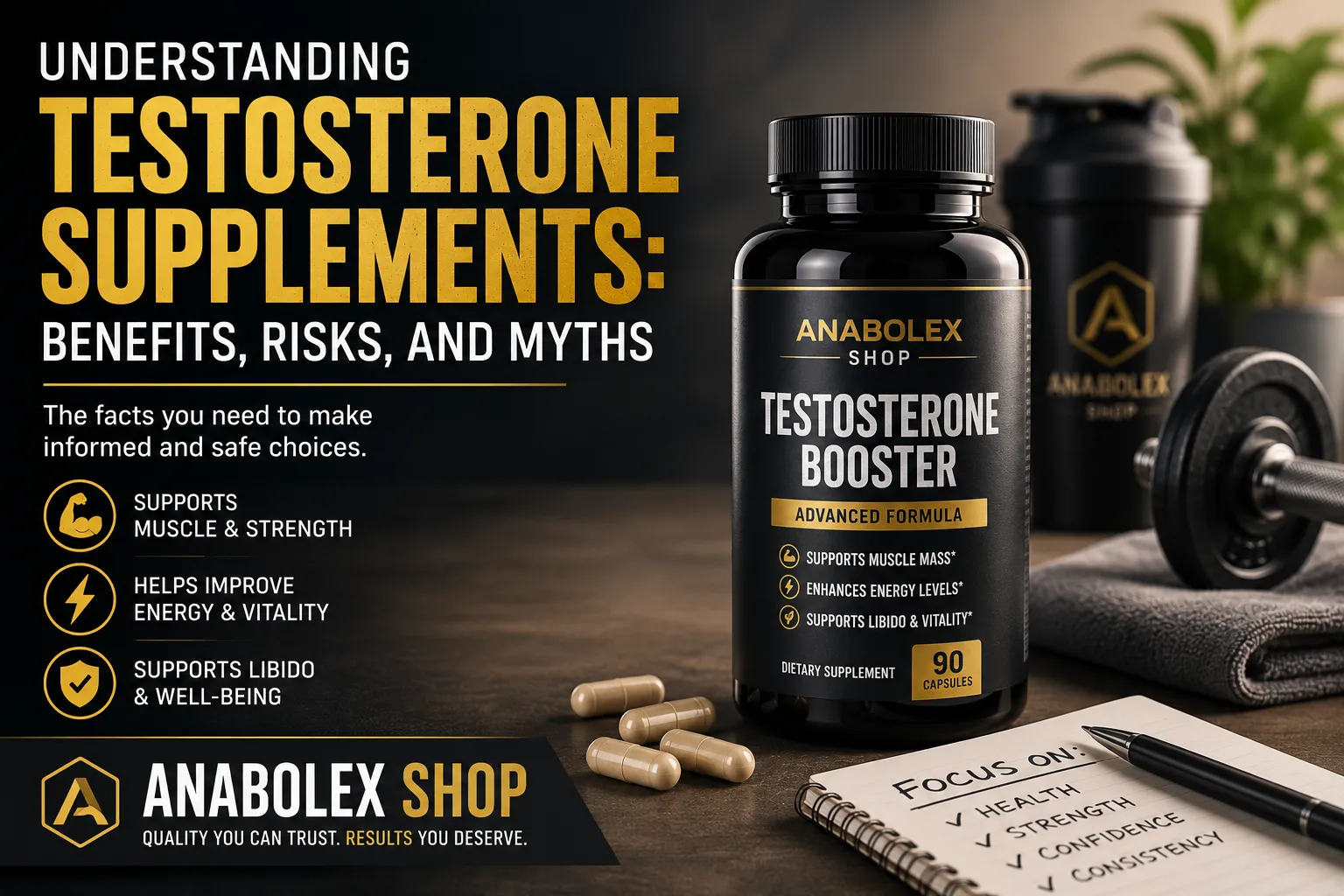

A Complete Guide to Testosterone Supplements
Testosterone supplements have become one of the most discussed topics in the health and fitness industry. Many people search for information about these products to better understand how they work, whether they are effective, and what the potential risks may be.
This guide explains the science behind testosterone supplements, separates facts from common myths, and highlights important safety considerations. The information provided is for educational purposes only and should not replace professional medical advice.
What Is Testosterone?
Testosterone is a naturally occurring hormone that plays an important role in the development and maintenance of:
- Muscle mass and strength
- Bone density
- Red blood cell production
- Sex drive (libido)
- Mood and energy levels
- Reproductive health
Although testosterone is often associated with men, women also produce smaller amounts of this hormone, where it contributes to overall health and well-being.
What Are Testosterone Supplements?
The term "testosterone supplements" can refer to several different products, including:
- Dietary supplements containing vitamins, minerals, or herbal ingredients marketed to support normal testosterone production.
- Prescription testosterone replacement therapy (TRT), which is prescribed by healthcare professionals for individuals diagnosed with medically confirmed testosterone deficiency.
It is important to distinguish between over-the-counter supplements and prescription hormone therapy, as they serve different purposes and are supported by different levels of scientific evidence.
Common Ingredients Found in Testosterone Supplements
Many products marketed as testosterone boosters include ingredients such as:
- Zinc
- Magnesium
- Vitamin D
- Ashwagandha
- Fenugreek
- D-Aspartic Acid
- Tongkat Ali
Some of these ingredients have shown potential benefits in limited studies, particularly for individuals with specific nutrient deficiencies. However, research findings are mixed, and results may vary depending on the individual, dosage, and overall health.
Potential Benefits
When used appropriately and when supported by medical advice, addressing low testosterone or nutrient deficiencies may help improve:
- Energy levels
- Muscle maintenance
- Physical performance
- Recovery from exercise
- Mood
- Libido
- Overall quality of life
For people without testosterone deficiency, however, many over-the-counter supplements have not consistently demonstrated significant increases in testosterone levels.
Understanding the Risks
Not all products marketed as testosterone supplements are equally researched or regulated. Consumers should be aware of potential concerns, including:
- Undisclosed or inaccurate ingredients
- Drug interactions
- Allergic reactions
- Excessive vitamin or mineral intake
- Misleading marketing claims
Prescription testosterone therapy also carries potential risks and should only be used under the supervision of a qualified healthcare professional.
Common Myths About Testosterone Supplements
Myth 1: All testosterone supplements dramatically increase testosterone.
Fact: Scientific evidence varies widely. Many products have limited or inconsistent clinical support.
Myth 2: Natural always means safe.
Fact: Natural ingredients can still cause side effects, interact with medications, or be inappropriate for certain individuals.
Myth 3: More is better.
Fact: Taking higher doses does not necessarily improve results and may increase the risk of unwanted effects.
Myth 4: Every man needs a testosterone booster after age 40.
Fact: Testosterone levels naturally change with age, but not everyone develops clinically low testosterone. Symptoms should be evaluated by a healthcare professional rather than self-diagnosed.
Lifestyle Factors That Support Healthy Testosterone
Research suggests that healthy lifestyle habits can play an important role in maintaining normal hormone function. These include:
- Regular resistance and cardiovascular exercise
- Adequate sleep
- A balanced diet rich in protein, healthy fats, and micronutrients
- Maintaining a healthy body weight
- Managing chronic stress
- Limiting excessive alcohol consumption
- Avoiding tobacco use
These habits contribute to overall health and may have a positive impact on hormonal balance.
How to Evaluate Supplement Claims
When researching testosterone supplements, consider the following questions:
- Are the health claims supported by peer-reviewed research?
- Is the ingredient list clearly disclosed?
- Does the manufacturer provide transparent labeling?
- Are recommended serving sizes clearly stated?
- Are there independent quality certifications?
- Have you discussed the product with a qualified healthcare professional?
Being an informed consumer can help you evaluate marketing claims more critically.
Frequently Asked Questions
Do testosterone supplements work?
Some ingredients may benefit certain individuals, particularly those with nutrient deficiencies, but evidence for many products remains limited or inconsistent. Effectiveness varies depending on the individual and the specific formulation.
Are testosterone supplements the same as testosterone replacement therapy?
No. Over-the-counter supplements and prescription testosterone replacement therapy are different. TRT is a medical treatment prescribed for diagnosed testosterone deficiency, while dietary supplements are not intended to replace prescription therapy.
Can lifestyle changes improve testosterone levels?
Healthy lifestyle habits—including regular exercise, quality sleep, balanced nutrition, and maintaining a healthy weight—support overall hormonal health and may be beneficial for some individuals.
Final Thoughts
Anabolex shop is the place where you can buy them. Understanding testosterone supplements requires looking beyond marketing claims and focusing on scientific evidence. While some products may contain ingredients with emerging research, no supplement should be viewed as a guaranteed solution for improving testosterone levels or overall health.
If you have symptoms that may be related to low testosterone, the safest approach is to consult a qualified healthcare professional for appropriate evaluation and testing. Making informed decisions based on reliable evidence, professional guidance, and healthy lifestyle habits is the best way to support your long-term health.



























Sign in to leave a comment.