
Understanding the Basic Concept
People exploring non-surgical approaches to penile stretching often come across products that use mechanical tension. Understanding the basic principle behind these devices is important before considering whether one is appropriate.
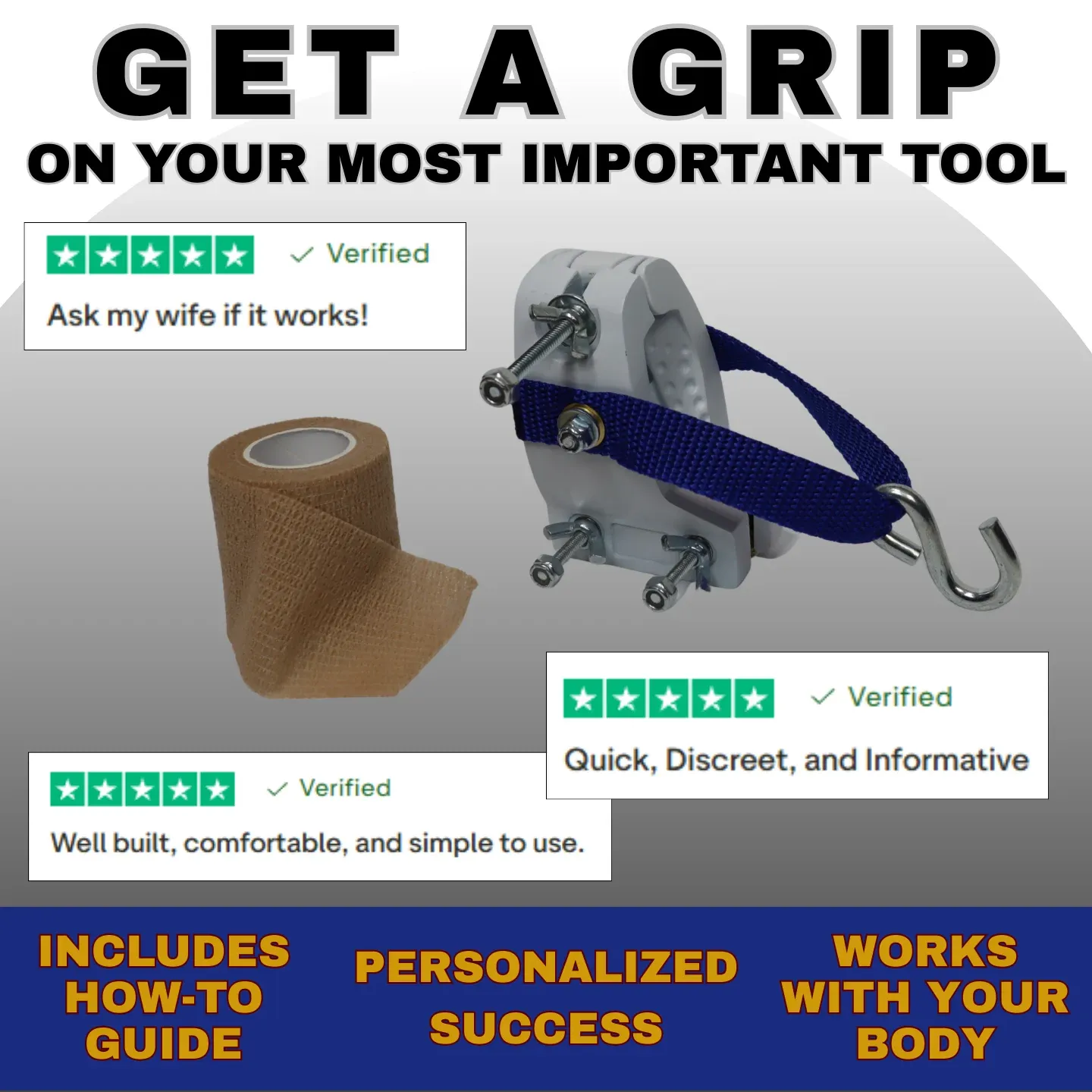
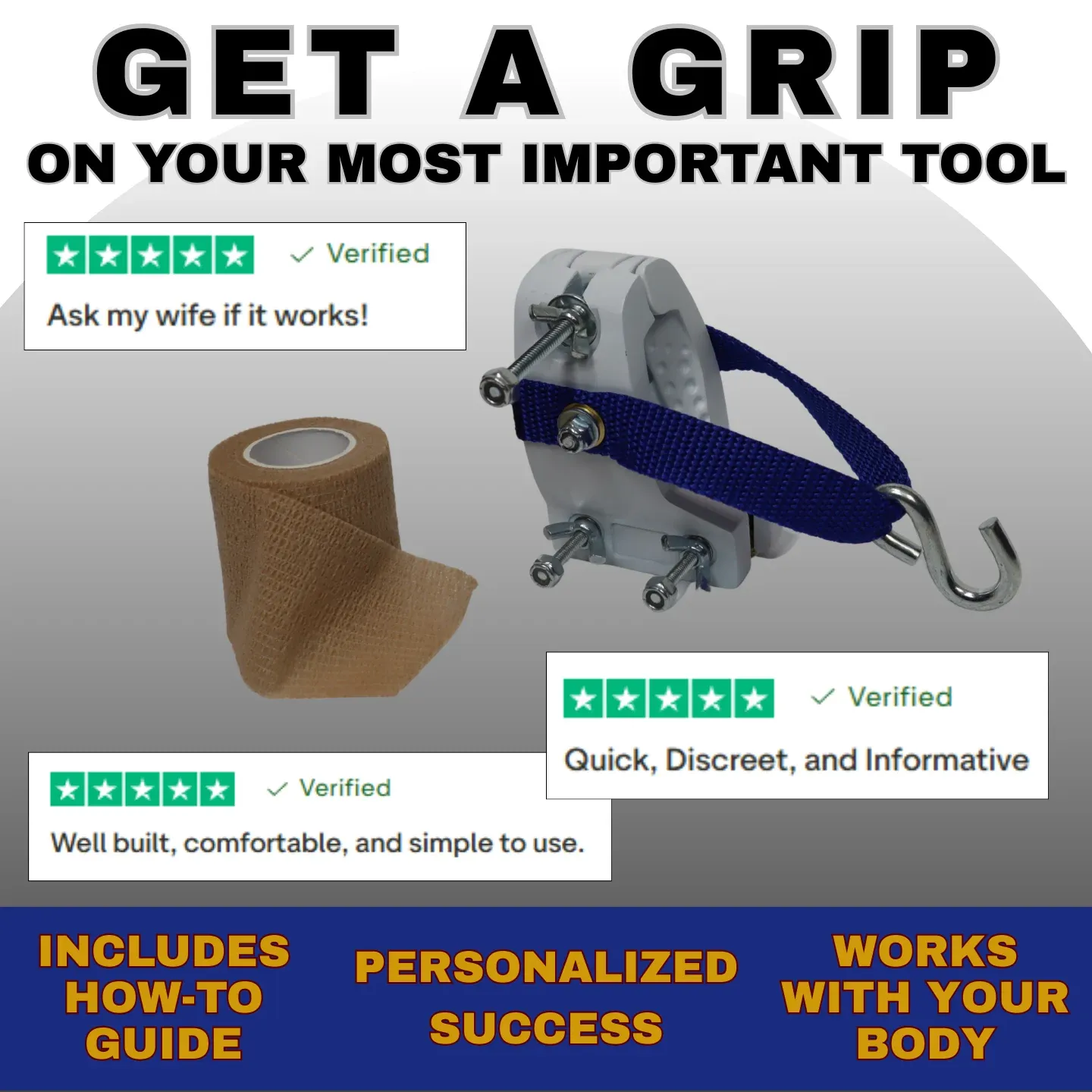
Weights for penis are generally designed to create controlled downward tension through an attachment or hanging mechanism. The underlying concept is related to mechanical traction, but commercially available weighted systems should not automatically be treated as equivalent to clinically studied traction devices.
The available evidence is also more limited than many online advertisements suggest, making realistic expectations especially important.
How Mechanical Tension Works
Mechanical traction involves applying a controlled force to tissue for a period of time. Medical traction devices have been investigated in particular clinical situations, including Peyronie's disease.
Some research has reported changes in penile curvature or stretched length with specific traction protocols. However, results can vary depending on the device, treatment duration, amount of tension, and population studied.
This distinction matters because evidence from a particular medical device does not automatically establish the effectiveness of every commercially available weighted product.
Why Gradual Tension Matters
The basic principle behind a hanging system is not simply adding as much weight as possible. Mechanical force needs to be controlled, and excessive force can create unnecessary pressure on sensitive tissues.
Increasing weight beyond the manufacturer's recommendations should not be viewed as a shortcut to better results. More force does not automatically translate into greater effectiveness and may increase the possibility of discomfort or injury.
Anyone considering such a device should carefully follow the manufacturer's instructions rather than creating an aggressive routine based on online testimonials.
Safety Should Come First
Any method involving mechanical tension deserves a cautious approach. A suitable device should have clear instructions explaining attachment, adjustment, recommended use, and maintenance.
Pain, numbness, swelling, discoloration, or skin injury should not be considered normal signs of progress. If these symptoms develop, discontinue use and seek appropriate medical advice.
People with existing penile conditions, previous injuries, circulation concerns, or other relevant health issues should speak with a qualified healthcare professional before using a mechanical stretching or hanging product.
Product Quality Makes a Difference
Not all products are designed in the same way. Construction, attachment stability, adjustment mechanisms, materials, and overall durability can affect how practical a device is to use.
A responsible manufacturer should provide specific product information rather than relying entirely on broad marketing terms such as “advanced” or “professional.”
Buyers should also consider whether customer support, maintenance instructions, and replacement components are available. These details can become important if the product is intended for repeated use.
Comfort and Fit Matter
A device that cannot be fitted comfortably is unlikely to be practical for consistent use. Adjustable components can help accommodate differences in anatomy and positioning.
However, comfort does not mean ignoring physical warning signs. Persistent discomfort or unusual symptoms should be taken seriously.
A thoughtful approach focuses on proper fit and following the manufacturer's recommended settings rather than attempting to maximize tension.
Keep Expectations Realistic
Individual experiences can differ considerably. Anatomy, health, consistency, device design, technique, and adherence to instructions may all influence someone's experience.
There is no responsible way to guarantee a particular result for every user. Claims promising dramatic changes within a specific timeframe should therefore be treated cautiously.
Personal testimonials may describe someone's experience, but they cannot establish that the same outcome will occur for everyone.
Conclusion
Understanding how mechanical tension works is more useful than relying on bold product promises. While traction has been studied in specific medical settings, evidence does not establish that every weighted hanging product will produce identical results.
Anyone considering weights for penis should focus on product quality, controlled tension, comfort, safety instructions, credible evidence, and realistic expectations. More weight is not necessarily better, and individual experiences can vary.
Malehanger aims to support informed decisions through educational resources and thoughtfully designed products, while encouraging users to approach penile stretching responsibly and with realistic expectations.
Frequently Asked Questions
Do weights automatically increase penile length?
There is not enough evidence to say that every weighted hanging system will produce a predictable increase in penile length. Research on traction has focused on particular devices and clinical protocols.
Does heavier weight mean better results?
No. More weight does not automatically mean greater effectiveness. Excessive force may increase discomfort and the risk of injury.
How should beginners approach a weighted device?
Beginners should read the manufacturer's instructions carefully and avoid exceeding recommended settings. If there is uncertainty about suitability, professional medical guidance can be helpful.
What symptoms should not be ignored?
Pain, numbness, swelling, discoloration, or skin injury should not be treated as normal progress. Stop using the device and seek appropriate medical advice if concerning symptoms occur.
Is professional medical advice necessary?
Not everyone will require a medical consultation, but people with existing conditions, previous injuries, or concerns about circulation or suitability should speak with a qualified healthcare professional before use.
























Sign in to leave a comment.