
Chocolate has always had a simple purpose. It gives people a moment to enjoy something sweet. But the way people think about chocolate is changing. Today, buying a chocolate bar is not always just about satisfying a craving. Consumers are paying closer attention to ingredients, cocoa content, sugar levels, nutritional information, and even where a product is made.
This shift has helped premium chocolates become more noticeable. The idea of premium chocolate is no longer limited to attractive packaging or a higher price. For many consumers, it now involves better ingredients, distinctive flavors, thoughtful formulations, and greater transparency.
The Meaning of Premium Chocolate Is Changing
For years, premium chocolate was mainly associated with luxury. A beautifully packaged box, specialty cacao, or an expensive price tag could create the impression of quality.
Today, consumers are asking more questions.
Where does the cacao come from? How much cocoa is in the chocolate? What sweeteners are used? Does the product contain ingredients they would rather avoid? How does it fit into their everyday eating habits?
These questions are changing what people expect from chocolate.
A premium product now has to offer more than an attractive appearance. Consumers want a combination of enjoyable taste, quality ingredients, and a formulation that makes sense for their personal preferences.
Taste Still Comes First
Even as consumers become more interested in nutrition, chocolate remains an indulgence. Taste cannot be ignored.
The quality of cacao can have a noticeable effect on flavor. Depending on the beans and how they are processed, chocolate can have fruity, earthy, nutty, roasted, or slightly bitter characteristics.
This is one reason premium dark chocolate has become popular among people who want a more pronounced chocolate flavor. Dark chocolate generally contains more cocoa solids than milk chocolate, although the exact formulation varies between products.
A higher cocoa percentage can create a stronger flavor, but percentage alone does not determine quality. The origin of the cacao, processing methods, ingredient balance, and freshness can all influence the final experience.
Consumers Are Looking Beyond Sugar
Sugar has traditionally been a major part of many chocolate formulations. It contributes sweetness and helps create the familiar flavor people associate with confectionery products.
However, many consumers are now becoming more conscious of how much added sugar they consume. This has encouraged chocolate makers to explore different formulations and has increased interest in products described as low calorie chocolate or reduced sugar chocolate.
Calories are worth considering, but they do not tell the complete story. Serving size, sugar, fat, carbohydrates, protein, and fiber can all provide useful information.
Someone choosing chocolate based on nutritional preferences may therefore look at the entire nutrition panel rather than focusing on a single number.
Is Nutritious Chocolate Possible?
The growing interest in nutritious chocolate reflects a broader change in consumer expectations. People still want to enjoy chocolate, but some also want products that offer additional nutritional characteristics.
Modern chocolate products may include ingredients that contribute protein, fiber, nuts, seeds, or other nutrients. The goal can be to create a product that feels indulgent while offering a formulation that differs from traditional confectionery.
That does not mean every chocolate product with added nutrients should automatically be considered healthy. Consumers should still read the ingredient list and nutrition facts.
The important change is that chocolate is increasingly being developed with more than taste in mind.
The Rise of Ingredient Conscious Consumers
One of the biggest changes in the chocolate market is the growing interest in ingredient labels.
Consumers who once focused primarily on flavor and price are increasingly checking what is actually inside a product. They may look for simpler ingredients, specific sweeteners, higher cocoa content, or nutritional features that suit their lifestyle.
This does not mean everyone wants the same thing. One shopper may prefer very dark chocolate with an intense cacao flavor, while another may prefer creamy milk chocolate with nuts.
The common factor is awareness. People want to understand their choices before purchasing.
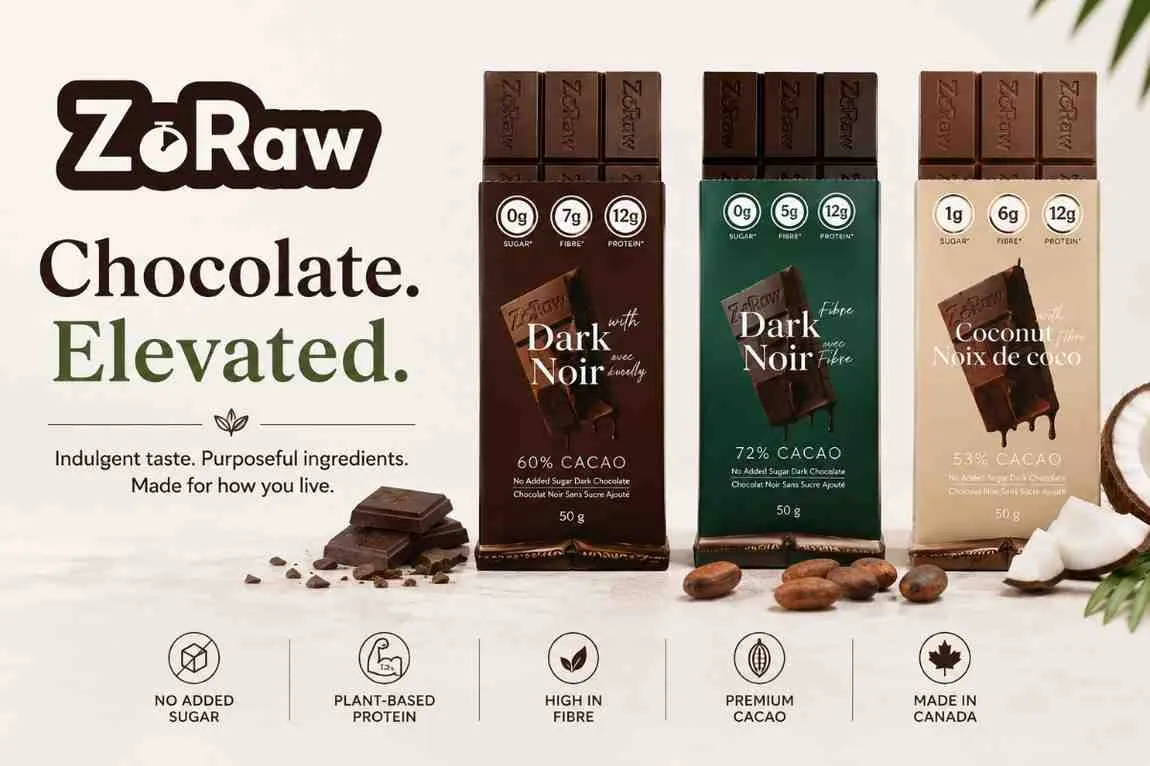
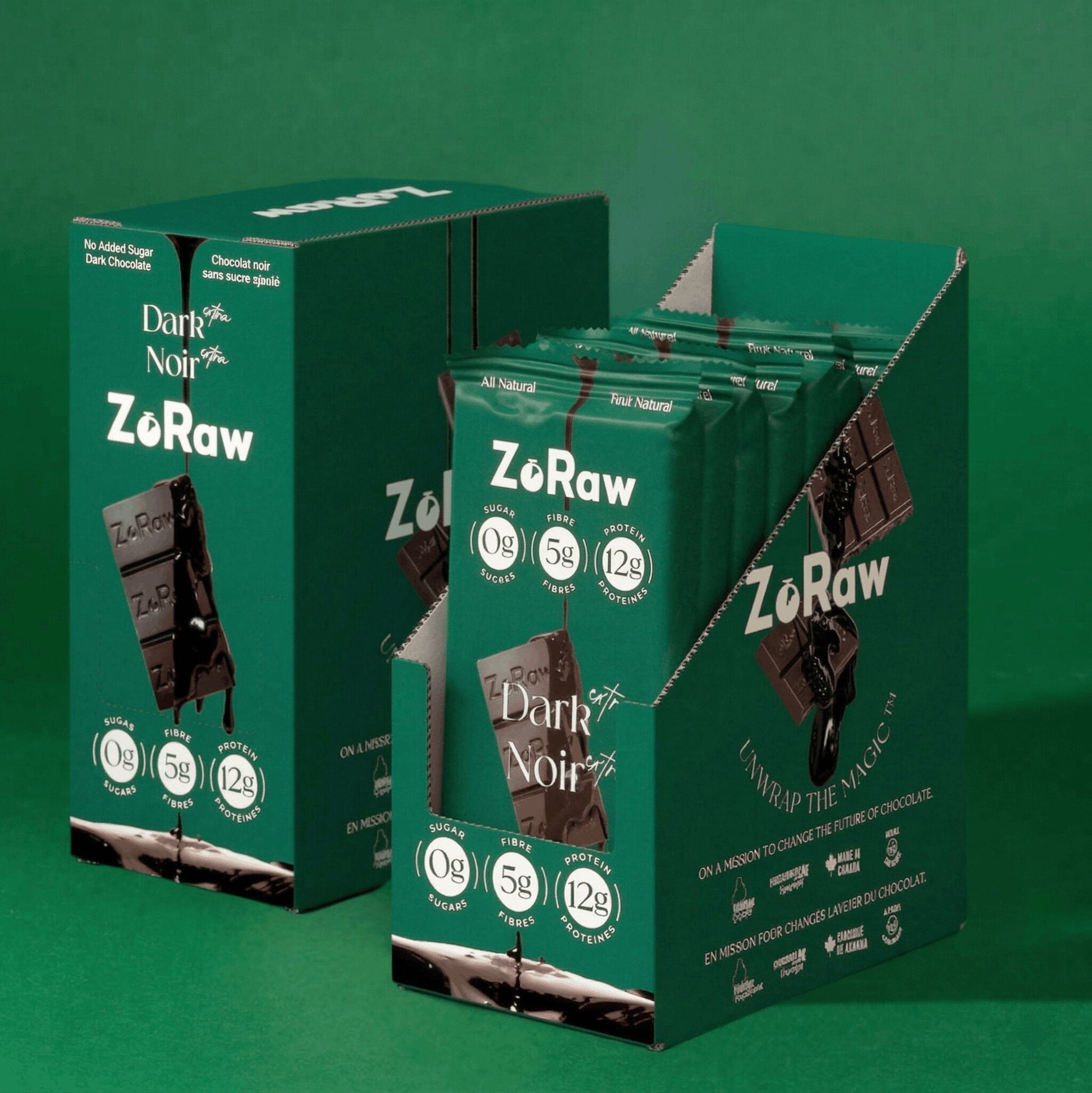
Brands such as ZoRaw Chocolates are part of this broader shift toward chocolate products that consider both indulgence and changing consumer preferences.
Dark Chocolate Brands Have More Competition
The growth of consumer interest has also created more competition between dark chocolate brands.
Instead of competing only on flavor, brands are increasingly differentiating themselves through ingredients, sourcing, nutritional characteristics, production methods, packaging, and brand values.
This gives consumers more choices, but it can also make the market confusing. Words such as premium, natural, artisan, and functional can appear across many products.
The best way to compare products is to look beyond those descriptions. Checking the ingredient list, cocoa percentage, nutrition facts, serving size, and manufacturing information can provide a clearer picture.
Canadian Chocolate Is Gaining Attention
The chocolate conversation is not limited to large international companies. Independent businesses and local manufacturers are also contributing to the category.
A Canadian chocolate brand can appeal to consumers who want to support Canadian businesses or explore products made within Canada. Local production can also give consumers an opportunity to learn more about how and where their chocolate is manufactured.
However, being Canadian does not automatically make a product better. Quality still depends on ingredients, production standards, sourcing, formulation, and consistency.
For consumers searching specifically for Canadian brand chocolate, it can be useful to distinguish between a company that is Canadian and a product that is actually manufactured in Canada.
The changing market includes companies such as ZoRaw Chocolates, alongside many other chocolate businesses responding to growing interest in ingredients and nutritional information.
Premium Chocolate Does Not Have to Mean Complicated
There is sometimes an assumption that premium chocolate needs to be sophisticated or difficult to understand.
In reality, quality can come from relatively simple decisions. Good cacao, carefully selected ingredients, balanced sweetness, proper processing, and attention to texture can have a significant impact.
The same applies to what some consumers describe as dark chocolate premium quality. It is not simply about using the highest possible cocoa percentage. A well balanced chocolate can be more enjoyable than one that is extremely bitter or overly intense.
Premium quality is ultimately about the complete experience.
Chocolate Is Becoming More Personal
Perhaps the biggest change is that consumers no longer expect one type of chocolate to satisfy everyone.
Some people want rich dark chocolate. Others prefer milk chocolate. Some are looking for less sugar, while others are interested in protein or fiber. Some prioritize Canadian production, while others care most about cacao sourcing.
This variety is changing the chocolate industry. Instead of creating products around a single definition of indulgence, manufacturers are responding to different consumer needs and preferences.
That is why the category continues to evolve.
The Future of Chocolate
The future of chocolate is unlikely to be defined by one trend. Taste will remain important, but consumers will probably continue asking more questions about ingredients, nutrition, sourcing, and production.
Premium chocolates are part of this wider change. They represent a move toward products where quality is judged by more than packaging and price.
For consumers, this creates an opportunity to be more selective. Rather than choosing chocolate simply because it looks luxurious, they can consider what actually matters to them.
The best chocolate is ultimately the one that provides an enjoyable experience while fitting the consumer's own preferences and priorities.
Chocolate does not have to lose its indulgent character as expectations change. Instead, indulgence can become more thoughtful, more transparent, and more aligned with the way people want to eat today.
In that sense, the changing world of chocolate is not about taking the enjoyment out of an old favorite. It is about giving consumers more meaningful choices when they reach for it.























Sign in to leave a comment.