

I didn’t really think much about oils for skin until one winter my face just… stopped cooperating. Dry patches, dullness, that slightly tired look even after decent sleep. Somewhere in that phase, I came across organic flax seed oil—right around the middle of a late-night scroll—and honestly, I wasn’t expecting much. Another oil, right? But it stuck with me. And after trying it, well… things shifted a bit.
Not overnight. Nothing dramatic like those too-perfect before-after pictures. But slow changes. The kind you notice when your skin feels calmer. Softer. Less… cranky.
What Makes Organic Flax Seed Oil Different for Skin?
A quiet mix of nutrients your skin actually likes
Flax seed oil isn’t loud about its benefits. It’s not one of those hyped-up ingredients people shout about. Still, it carries omega-3 fatty acids—particularly alpha-linolenic acid (ALA). Sounds technical, I know. But in real terms, this is what helps skin feel more hydrated from within.
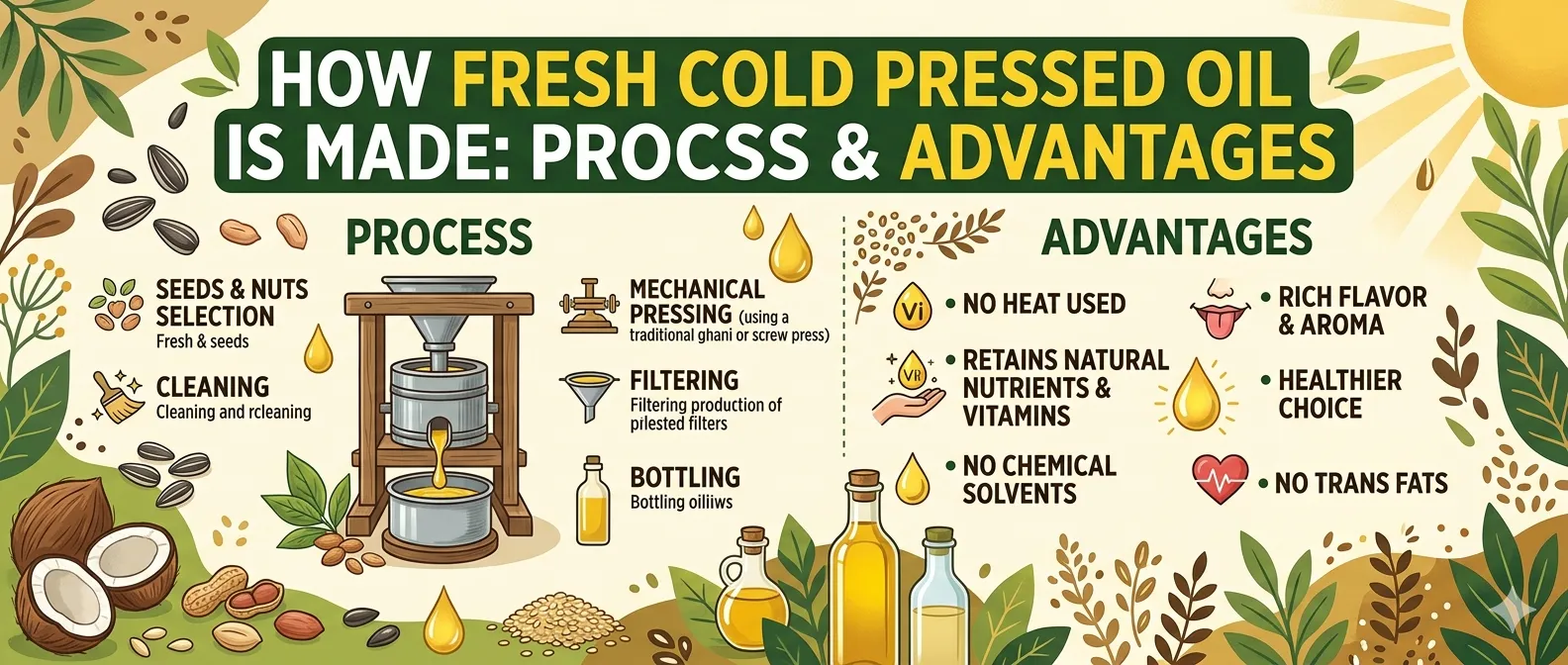
Cold pressed organic flax seed oil (that’s the version you want, by the way) keeps most of these nutrients intact. No heavy processing. No weird after-smell. Just a slightly nutty scent… kind of earthy, not unpleasant.
And then there’s vitamin E. That familiar antioxidant that pops up in a lot of skincare talk. It plays a role in keeping skin from looking worn out too quickly. Not magic, just support.
Hydration Benefits of Flaxseed Oil for Skin
Dry skin? This feels like a glass of water… but slower
So, hydration. Everyone talks about it. But flaxseed oil works a bit differently than your regular moisturizer.
It doesn’t sit heavily on top. Instead, it helps your skin hold onto moisture better. That’s a small but important shift. I noticed that my skin didn’t feel tight halfway through the day anymore. That annoying stretchy feeling after washing your face? It faded.
Some people even use flaxseed oil for dry skin as part of their nighttime routine. A few drops, gently pressed in. That’s it. No complicated layering.
And yeah, it absorbs faster than I expected. Not greasy. I was prepared for that oil-slick feeling… didn’t really happen.
Anti-Aging Properties of Organic Flax Seed Oil
Fine lines, dull tone… those subtle things
Let’s be real. “Anti-aging” gets thrown around a lot. It can feel exaggerated. But with organic flax seed oil, the effect is more… gradual. Quiet.
The omega-3 content helps reduce inflammation, which is one of those underlying reasons skin starts looking tired or uneven. Less inflammation often means smoother-looking texture.
And over time—this is where patience comes in—you might notice:
- Slightly softer fine lines
- A more even skin tone
- That healthy, almost subtle glow
Nothing drastic. But noticeable if you’re paying attention.
I remember checking my reflection one morning and thinking, “Okay… something looks better.” Not a huge difference. Just… better.
How to Use Flax Seed Oil for Face (Without Overthinking It)
Keep it simple. Really.
There’s always a temptation to build a 10-step routine. I tried that once. Didn’t last.
With flaxseed oil for face, simpler works:
- Use 2–3 drops on clean, slightly damp skin
- Press it in gently (don’t rub too hard)
- Nighttime is easier, especially if you’re unsure
Some mix it with their moisturizer. That works too. I’ve done both, depending on how lazy I feel that day.
And yes, patch test. Always. Even if it’s natural, your skin can still disagree.
Organic vs Regular Flax Seed Oil for Skin
Does “organic” actually matter here?
Short answer… yeah, a bit.
Organic flax seed oil usually means fewer chemicals during farming and processing. For something you’re putting on your face, that feels like a safer bet.
Also, cold pressed organic flax seed oil tends to keep its nutrients better. Heat can mess with delicate compounds like omega-3s. So if the label says “cold pressed,” that’s a small green flag.
I made the mistake of buying a cheaper version once. Didn’t feel the same. Slightly heavier, less fresh smell. Hard to explain, but noticeable.
Can Flaxseed Oil Help with Skin Issues?
Acne, irritation, uneven texture…
This part gets tricky. It’s not a cure. But it can support.
Because of its anti-inflammatory nature, flaxseed oil might calm redness or mild irritation. Some people with acne-prone skin even find it helpful… though that depends a lot on individual skin type.
If your skin is very oily, you might hesitate. Fair. Oils sound counterintuitive there. Still, lightweight oils like flaxseed sometimes balance things out rather than worsen them.
I’d say… try carefully. Observe. Your skin usually tells you pretty quickly if it’s a yes or no.
Internal Benefits: Drinking Flaxseed Oil for Skin Glow?
From the inside… does it actually show?
This one surprised me a bit.
People talk about consuming organic flax seed oil for skin health. A teaspoon a day, sometimes added to smoothies or salads. The idea is that nourishing your body internally reflects on your skin.
I tried it for a few weeks. Not religiously. And I think it helped? Hard to prove. But my skin felt less reactive overall.
It has a slightly nutty taste. Not amazing, not terrible. You get used to it.
Still, if you’re considering this, keep it moderate. And fresh—flax oil can go rancid faster than you’d expect.
A Few Real-Life Observations (Not Perfect, Just Honest)
Some days, I forget to use it. Some days, I use too much and end up looking like I dipped my face in oil. It happens.
But over time, organic flax seed oil became one of those quiet staples. Not exciting. Not trendy. Just… reliable.
And I think that’s what makes it interesting.
Not everything needs to be dramatic to work.
Is Organic Flax Seed Oil Worth Trying for Skin?
If your skin feels dry, slightly irritated, or just dull in a way you can’t quite explain, this oil might be worth a shot.
No guarantees. Skin is unpredictable. What works beautifully for one person might do nothing for another.
Still… for something so simple, it does a decent job. Hydration feels more natural. Skin looks a bit more alive. That’s already something.
And honestly, sometimes that’s enough.




























Sign in to leave a comment.