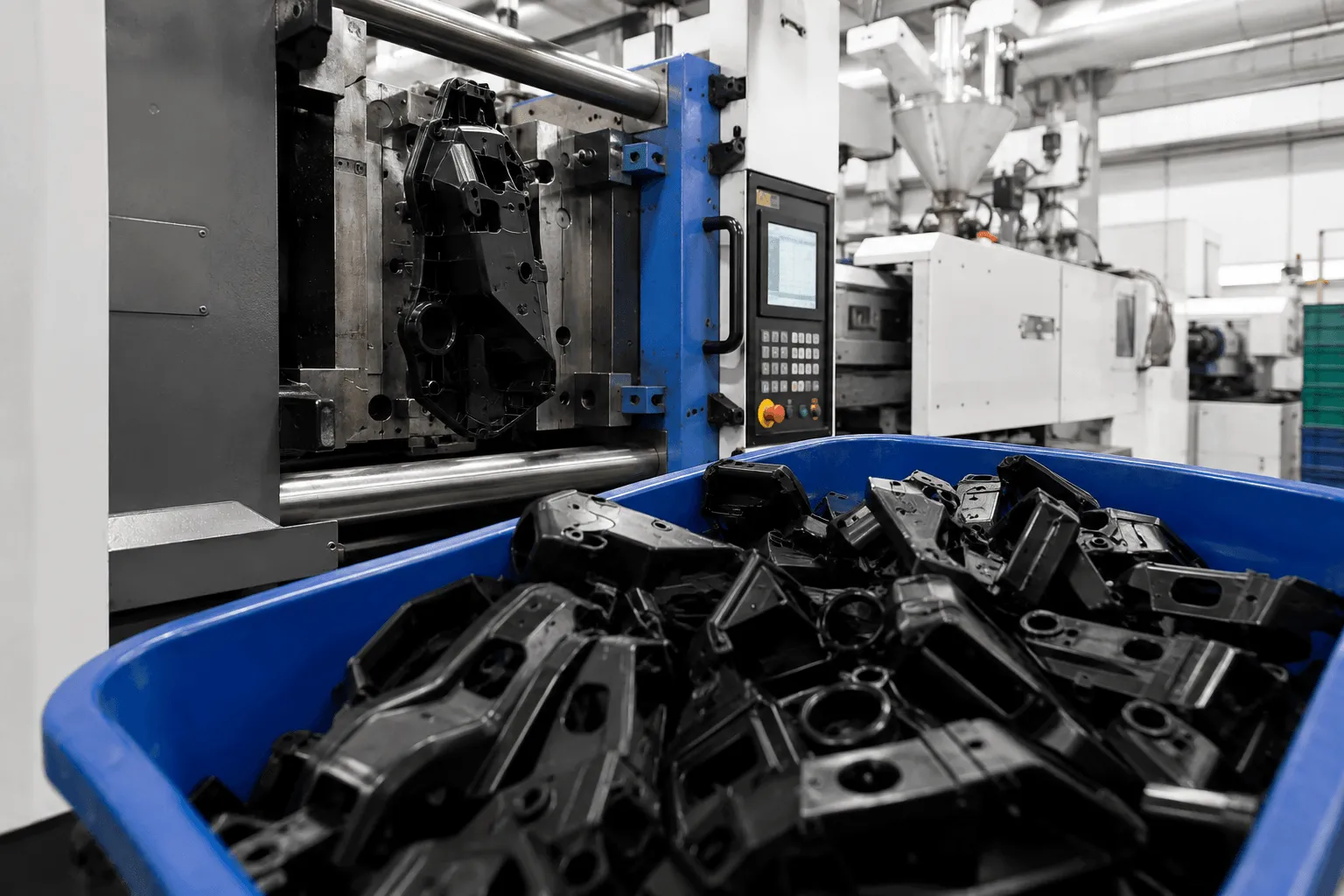

Injection moulding is one of the most widely used manufacturing processes in the world, producing millions of plastic components every day. From life-saving medical devices to the dashboard of your car, injection moulding plays a vital role in creating high-quality, durable products with exceptional consistency.
Its popularity comes down to a combination of speed, precision and cost efficiency. Once a mould has been manufactured, the process can produce large volumes of identical parts with minimal waste and outstanding repeatability. This makes it an ideal choice for businesses that need reliable components manufactured to exact specifications.
Below, we explore ten industries that rely heavily on injection moulding and why it remains the preferred manufacturing method for so many different applications.
1. Medical And Healthcare
The medical sector demands exceptional levels of precision, hygiene and reliability, making injection moulding an ideal manufacturing solution.
Plastic components are used throughout hospitals, laboratories and healthcare facilities, with many products designed for single use to maintain sterility and reduce the risk of cross-contamination.
Common medical products produced through injection moulding include:
- Syringes
- IV connectors
- Diagnostic equipment housings
- Surgical instrument handles
- Specimen containers
- Medical device enclosures
Medical manufacturers often use specialist materials that offer excellent chemical resistance, biocompatibility and dimensional stability. Production also takes place under strict quality controls to ensure every component meets the required standards.
2. Automotive
Modern vehicles contain hundreds of injection moulded plastic components. As manufacturers continue to reduce vehicle weight and improve fuel efficiency, plastics have become increasingly important in automotive design.
Injection moulding enables manufacturers to produce lightweight yet durable parts capable of withstanding demanding environments.
Examples include:
- Dashboard components
- Interior trim panels
- Air vents
- Bumpers
- Battery housings
- Electrical connectors
- Under-bonnet covers
- Fluid reservoirs
The process also allows complex shapes and integrated features to be produced in a single moulding cycle, reducing assembly time and manufacturing costs.
3. Consumer Electronics
From smartphones to gaming consoles, injection moulding is fundamental to the production of modern electronic devices.
Manufacturers require components that combine precision with attractive surface finishes while protecting sensitive internal electronics.
Typical applications include:
- Laptop casings
- Computer peripherals
- Television housings
- Remote controls
- Smart home devices
- Charging accessories
- Mobile phone components
Injection moulding delivers excellent dimensional accuracy, allowing components to fit together precisely while maintaining an attractive appearance.
4. Packaging Industry
The packaging sector depends heavily on injection moulding to produce millions of products every day.
Plastic packaging offers a lightweight, cost-effective and durable solution for protecting products during transportation, storage and use.
Common packaging products include:
- Bottle caps
- Food containers
- Cosmetic packaging
- Pharmaceutical packaging
- Measuring scoops
- Reusable storage containers
- Closures and lids
Many manufacturers are also incorporating recycled and recyclable plastics into their packaging to help reduce environmental impact while maintaining product performance.
5. Construction And Building
The construction industry uses injection moulded components across both residential and commercial projects.
Many building products require excellent weather resistance, long service life and the ability to withstand daily wear without corrosion.
Examples include:
- Pipe fittings
- Cable management systems
- Electrical back boxes
- Window components
- Ventilation grilles
- Fasteners
- Clips and brackets
Plastic components often provide a lightweight alternative to metal while remaining resistant to moisture, chemicals and corrosion.
6. Aerospace
Although aerospace manufacturing is associated with advanced metals and composites, injection moulding also plays an important role.
Aircraft manufacturers use specialist engineering plastics for components that require high strength while minimising overall weight.
Applications include:
- Interior cabin fittings
- Ventilation components
- Electrical connectors
- Cable clips
- Seat components
- Protective covers
Many aerospace-grade plastics offer excellent heat resistance, flame retardancy and dimensional stability under demanding operating conditions.
7. Food And Beverage
Food manufacturers require plastic components that are safe, hygienic and capable of withstanding frequent cleaning.
Injection moulding supports the production of both food packaging and food processing equipment.
Examples include:
- Food containers
- Kitchen utensils
- Beverage closures
- Measuring cups
- Dispensing components
- Processing equipment parts
Food-grade plastics comply with strict regulations while providing durability and resistance to moisture, oils and cleaning chemicals.
8. Agriculture
Modern agriculture increasingly relies on durable plastic components that can withstand harsh outdoor conditions.
Injection moulding enables manufacturers to produce parts that remain reliable despite exposure to sunlight, moisture, chemicals and fluctuating temperatures.
Common agricultural products include:
- Irrigation fittings
- Spray nozzles
- Equipment housings
- Seed trays
- Livestock equipment
- Protective covers
Many components are designed to deliver years of service while requiring minimal maintenance.
9. Renewable Energy
As renewable energy technologies continue to grow, so too does the demand for precision plastic components.
Injection moulding supports the manufacture of products used in solar, battery and electrical energy systems.
Typical applications include:
- Solar panel mounting components
- Battery enclosures
- Electrical insulation parts
- Cable management systems
- Junction box components
- Protective covers
Engineering plastics often provide excellent electrical insulation while resisting UV exposure and changing weather conditions.
10. Industrial Manufacturing
Factories and industrial equipment rely on injection moulded parts to keep machinery operating efficiently.
Plastic components are often selected because they combine durability with low weight and resistance to wear, chemicals and corrosion.
Applications include:
- Machine guards
- Rollers
- Gear housings
- Control panel enclosures
- Cable clips
- Bearings
- Conveyor system components
Injection moulding also enables manufacturers to produce replacement parts consistently over long production runs, ensuring compatibility with existing equipment.
Why So Many Industries Choose Injection Moulding
Despite serving very different markets, these industries all benefit from the same core advantages of injection moulding.
Exceptional Consistency
Every component is produced using the same precision-engineered mould, ensuring identical dimensions across thousands—or even millions—of parts. This level of repeatability is essential in sectors where components must fit and perform exactly as intended.
Cost-Effective High-Volume Production
Although mould tooling requires an initial investment, the cost per part decreases significantly as production volumes increase. This makes injection moulding one of the most economical manufacturing methods for medium to high-volume production.
Design Flexibility
Modern mould tooling allows highly complex geometries, intricate surface textures and integrated features to be produced in a single operation. This can reduce assembly requirements and simplify product design.
Wide Range Of Materials
Manufacturers can choose from hundreds of thermoplastics, each offering different properties such as impact resistance, chemical resistance, UV stability, flexibility or heat resistance. This versatility means the process can be tailored to the specific needs of virtually any industry.
High Production Speeds
Once tooling is complete, injection moulding can produce parts in rapid cycles, helping businesses meet demanding production schedules while maintaining consistent quality.
Choosing The Right Manufacturing Partner
The quality of an injection moulded component depends on more than just the manufacturing process. Tool design, material selection, process optimisation and quality control all play a significant role in achieving the desired outcome.
An experienced injection moulding partner will work closely with customers from the earliest stages of product development, helping optimise designs for manufacturability, reduce production costs and ensure every component performs as expected.
Whether you're producing medical devices, automotive components, industrial equipment or consumer products, selecting the right manufacturing partner can make a significant difference to quality, efficiency and long-term project success.
Final Thoughts
Injection moulding has become an essential manufacturing process across countless industries because it delivers the combination of precision, scalability and cost efficiency that modern production demands.
From healthcare and aerospace to packaging and renewable energy, businesses rely on injection moulding to manufacture components that are consistent, durable and designed to perform in demanding environments.
As materials, automation and manufacturing technologies continue to evolve, injection moulding is likely to play an even greater role in supporting innovation across a wide range of industries for years to come.
































Sign in to leave a comment.