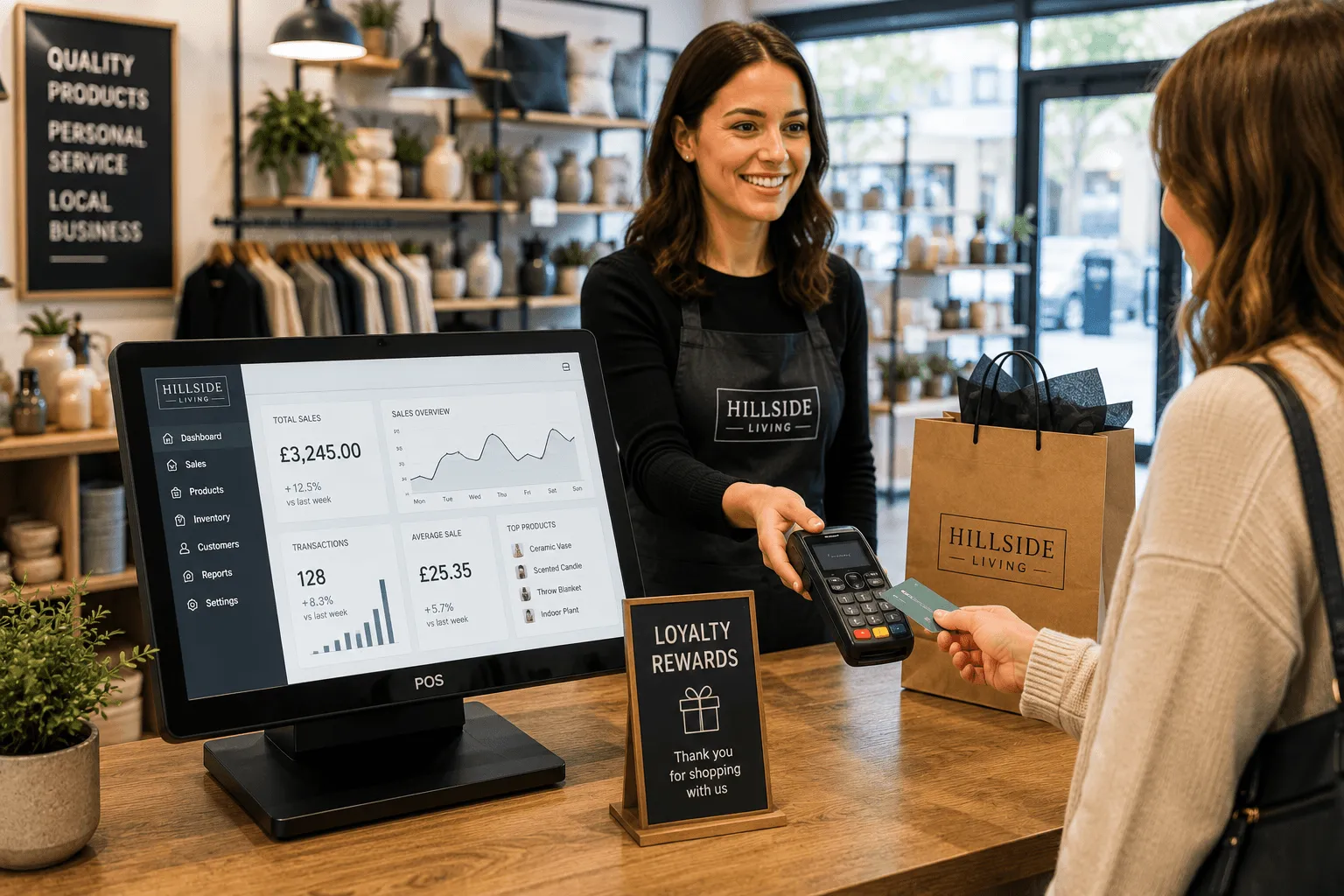

Independent retailers face a unique set of challenges. While smaller stores often have the advantage of personal service, strong customer relationships, and specialist knowledge, they must also manage many of the same operational demands as larger retailers—often with fewer resources.
From managing stock levels and processing payments to understanding customer behaviour and improving efficiency, everyday tasks can quickly become time-consuming without the right technology in place.
Modern point-of-sale (POS) systems are helping independent retailers address these challenges by providing smarter, more connected solutions. Today’s POS technology does far more than process transactions. It helps businesses manage operations, improve decision-making, enhance customer experiences, and create a stronger foundation for future growth.
Improving Inventory Management And Stock Control
Effective inventory management is essential for retail success, yet it remains one of the biggest challenges for independent stores. Keeping track of product availability, monitoring sales trends, and ensuring the right stock is available at the right time can be difficult when relying on manual processes.
Traditional stock management methods can lead to errors, including over-ordering, stock shortages, and missed sales opportunities. These issues can affect cash flow and customer satisfaction.
Modern POS systems provide real-time inventory visibility by automatically updating stock levels as sales are made. Retailers can quickly identify best-selling products, monitor low-stock items, and make more informed purchasing decisions.
With improved stock control, independent retailers can reduce waste, optimise their inventory, and ensure customers are more likely to find the products they want.
Creating Faster And More Efficient Checkout Experiences
The checkout process plays an important role in shaping the overall customer experience. Even in a successful store, long queues or slow payment processing can create frustration and impact customer satisfaction.
Modern POS systems streamline transactions by combining payment processing, barcode scanning, digital receipts, and sales records into one integrated platform. Contactless payments and mobile checkout options also provide customers with greater convenience and flexibility.
For retail teams, a more efficient checkout process means less time spent managing transactions and more time available to assist customers.
A smooth and reliable payment experience helps independent retailers create a professional shopping environment that encourages repeat visits.
Making Better Business Decisions With Data
Many independent retailers collect sales information but may not always have the tools to analyse it effectively. Without clear insights, important decisions about stock ordering, promotions, and business planning can often rely on assumptions rather than accurate data.
Modern POS systems provide detailed reporting and analytics that give retailers a clearer understanding of their performance. Business owners can identify sales trends, track product performance, monitor peak trading periods, and measure the success of promotional campaigns.
These insights allow retailers to make more strategic decisions and respond quickly to changing customer demands.
Rather than simply recording transactions, a modern POS system becomes a valuable source of information that supports long-term business growth.
Strengthening Customer Loyalty And Engagement
Independent retailers often compete by offering a more personal and memorable shopping experience. Building strong customer relationships is one of their greatest advantages, but maintaining those connections can become challenging as the business grows.
Many modern POS systems include customer relationship management and loyalty features that help retailers better understand their customers. Businesses can track purchase history, create targeted promotions, and reward loyal shoppers.
For example, retailers can identify popular products among specific customer groups or provide personalised offers based on previous purchases.
By using customer insights effectively, independent stores can deliver more relevant experiences and encourage repeat business.
Connecting Physical And Online Retail Channels
As consumer expectations continue to evolve, many independent retailers now operate across multiple sales channels, including physical stores, websites, and online marketplaces.
Managing these channels separately can create operational challenges, particularly when it comes to maintaining accurate inventory information and providing a consistent customer experience.
Modern POS systems help connect in-store and online sales, allowing retailers to manage transactions and stock from a central platform. This integration reduces errors, improves efficiency, and supports services such as click-and-collect.
By creating a more connected retail experience, independent businesses can offer customers the convenience they expect while maintaining the personal service that sets them apart.
Reducing Administrative Tasks And Saving Time
Running a retail business involves more than serving customers. Store owners and managers also need to handle reporting, financial records, stock checks, and other administrative responsibilities.
Manual processes can take valuable time away from core business activities. Modern POS systems help automate many routine tasks, making information easier to access and reducing unnecessary paperwork.
Sales reports can be generated quickly, transaction histories can be reviewed easily, and important business information can be managed more efficiently.
For independent retailers, saving time on administration allows teams to focus on improving customer service and growing the business.
Supporting The Future Of Independent Retail
The retail industry continues to evolve, and technology is playing an increasingly important role in helping businesses adapt. Customers expect fast service, convenient payment options, accurate stock information, and personalised experiences.
Modern POS systems provide independent retailers with the tools needed to meet these expectations while improving their own operational efficiency.
By addressing common challenges such as inventory management, slow processes, limited insights, and customer engagement, POS technology enables retailers to operate more effectively and compete in a changing marketplace.
Overcoming Common Retail Challenges With POS
For independent retailers, success depends on delivering excellent customer experiences while managing daily operations efficiently. Modern POS systems provide a practical solution by bringing essential business functions together in one integrated platform.
From improving stock control and speeding up transactions to providing valuable customer insights and reducing administrative workloads, the benefits extend far beyond the checkout counter.
Investing in the right POS system allows independent retailers to work smarter, make informed decisions, and build stronger relationships with their customers—helping them remain competitive and successful in the modern retail environment.




























Sign in to leave a comment.