

Turning Complex Sustainability Data Into Clear Business Insights
A sustainability report can quickly become overwhelming when information is scattered across spreadsheets, departments, suppliers, and operational systems. Companies increasingly need reliable ways to organize environmental, social, and governance information while maintaining consistency and accountability. This is where ESG reporting software can provide practical value by bringing relevant data into a structured digital environment. Effective reporting is no longer limited to publishing attractive sustainability statements; it requires traceable information, dependable calculations, responsible ownership, and timely reviews. A well-designed reporting process can help organizations understand performance, identify gaps, strengthen transparency, and communicate meaningful progress to stakeholders.
Why Structured ESG Data Matters for Modern Organizations
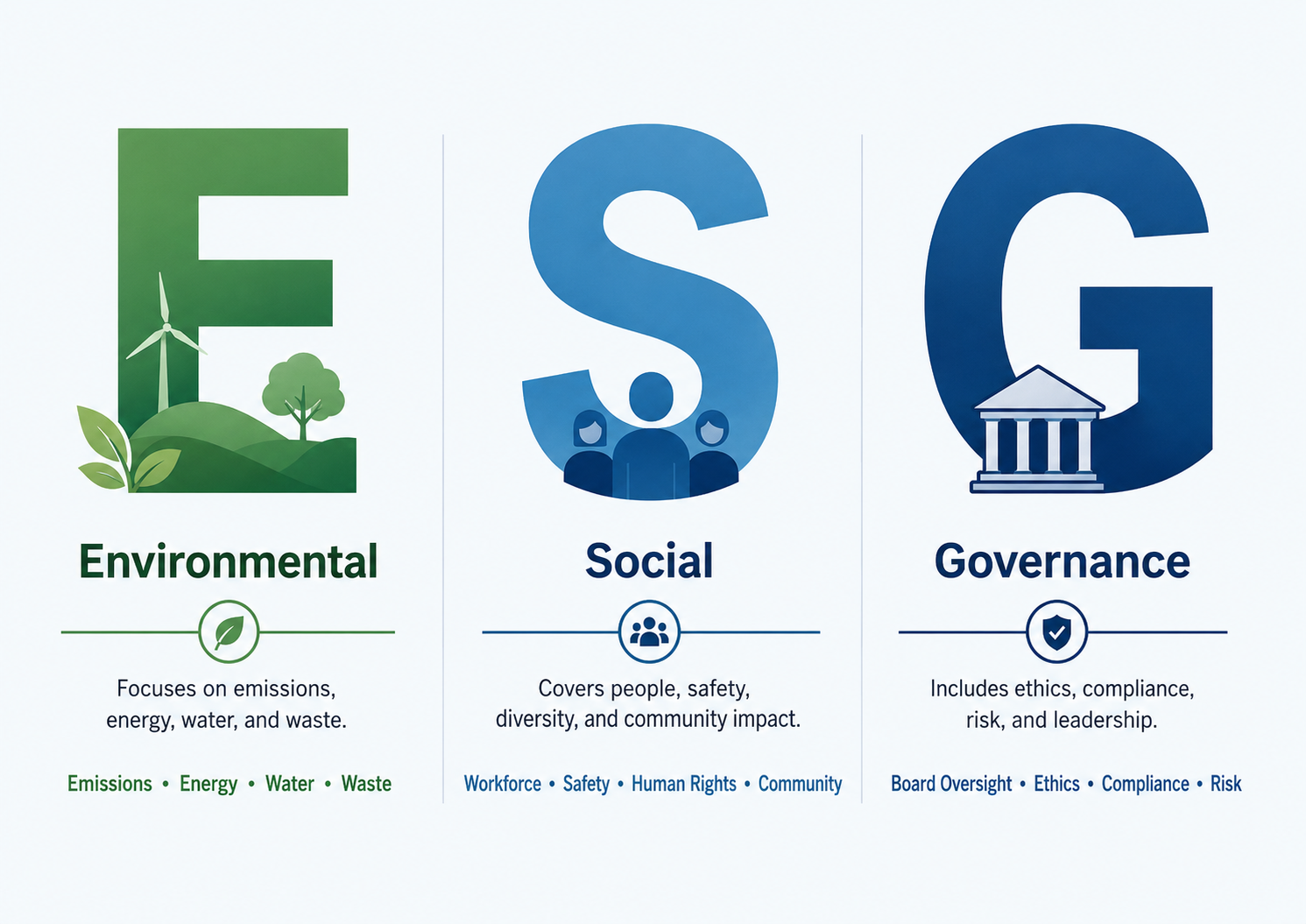
Environmental and social information can originate from many different business functions, including energy management, human resources, procurement, finance, compliance, and operations. Without a consistent process, data may be entered using different definitions, formats, and reporting periods, making comparisons difficult. A structured system can establish standardized data collection procedures and assign responsibilities to appropriate teams. It can also preserve supporting records so reported figures are easier to review later. This approach helps organizations move away from fragmented reporting practices and toward a coordinated information framework that supports stronger governance, better decision-making, and greater confidence in sustainability-related disclosures.
Improving Accuracy Through Centralized Reporting Processes
Manual reporting often requires employees to copy information between spreadsheets, emails, documents, and internal databases. Each additional transfer creates an opportunity for omissions, duplicated entries, calculation errors, or outdated figures. A centralized digital process can reduce unnecessary movement of information by allowing data to be collected, reviewed, and organized within a controlled environment. Automated calculations may further reduce repetitive work while creating more consistent outputs. However, technology alone cannot guarantee accuracy. Clear definitions, appropriate validation rules, responsible data owners, and periodic reviews remain essential for ensuring that the information entering a reporting system is complete, relevant, and dependable.
Understanding the Growing Importance of BRSR Disclosures
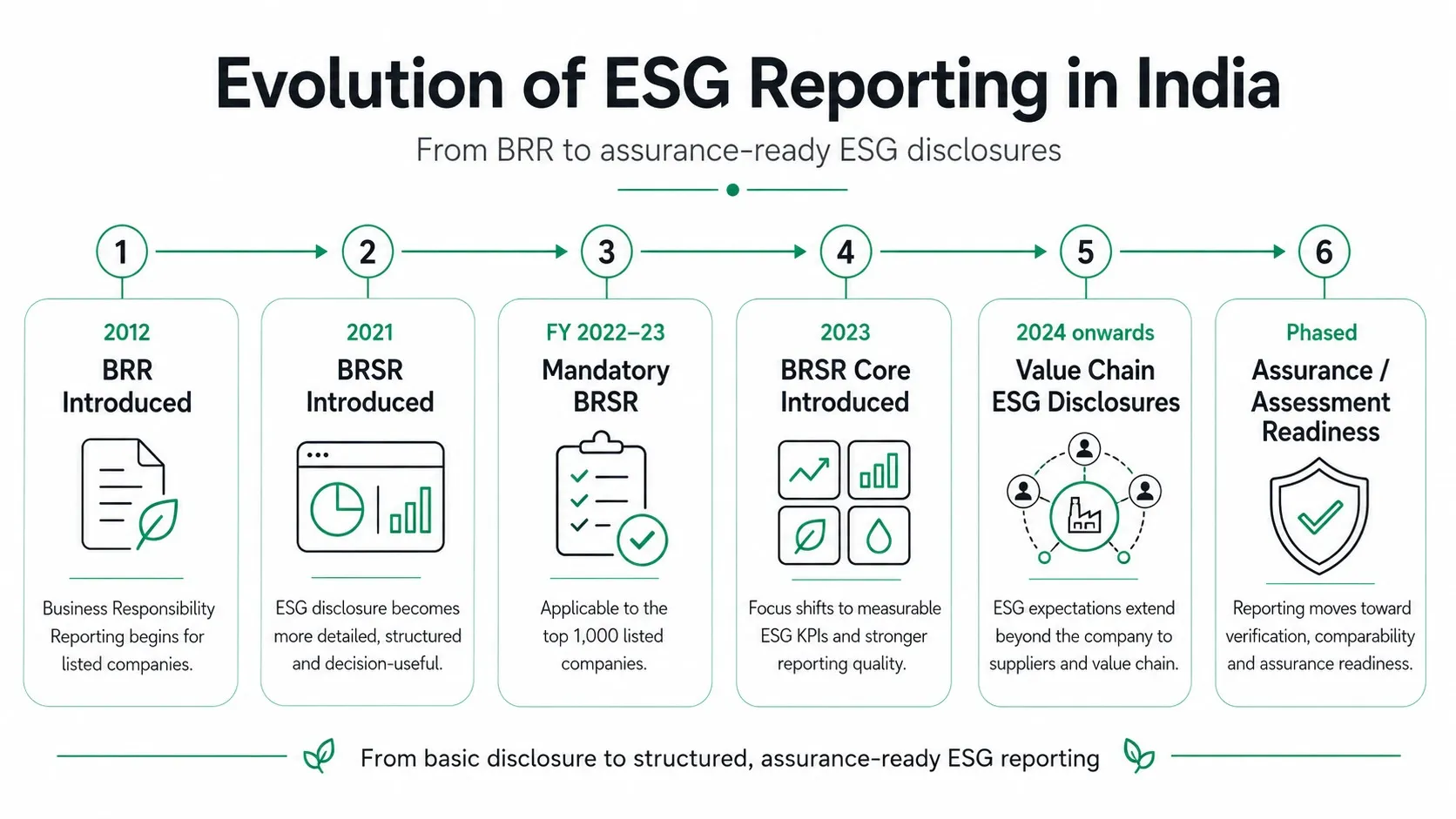
Indian businesses facing sustainability disclosure requirements must pay close attention to the quality and organization of information used for regulatory reporting. BRSR reporting requires businesses to present relevant information about their environmental, social, and governance practices in a structured manner. Preparing such disclosures can involve coordination across multiple departments and careful alignment between operational records and reported statements. A digital workflow can help organize responsibilities, maintain evidence, and support review processes before information is finalized. Strong preparation also allows organizations to identify missing data earlier, rather than discovering reporting gaps shortly before submission deadlines or formal internal assessments.
Building Traceability Into Every Reporting Stage
Reliable sustainability reporting depends heavily on traceability. A reported figure becomes more useful when its origin, calculation method, reporting period, and responsible contributor can be established. Digital systems can support this requirement by maintaining records of data submissions, revisions, approvals, and supporting documentation. Such functionality creates an audit trail that can help reviewers understand how information developed from initial collection to final disclosure. Traceability is particularly valuable when several departments contribute data to the same report. It encourages greater accountability while making internal verification more organized and helping management address discrepancies before published information reaches external stakeholders.
Connecting Sustainability Performance With Business Strategy
Reporting should not be treated solely as an annual compliance exercise. Properly organized sustainability information can reveal operational trends that influence strategic decisions. Energy consumption may highlight efficiency opportunities, workforce information may reveal social priorities, and governance indicators may identify areas requiring stronger controls. When data is collected consistently over several reporting cycles, organizations can compare performance and observe changes more effectively. This creates an opportunity to connect sustainability objectives with broader business planning. Management can use reliable information to establish measurable targets, evaluate progress, prioritize investments, and understand where operational improvements may create both environmental and commercial value.
Reducing Reporting Complexity Across Multiple Teams
Large organizations frequently encounter difficulties because sustainability information is distributed among numerous people with different responsibilities. A finance team may manage selected metrics, while operations, human resources, procurement, facilities, and compliance teams maintain other relevant information. A coordinated reporting platform can establish workflows that clarify who provides each dataset, who reviews it, and when approvals are required. This division of responsibility can reduce confusion and encourage timely participation. It also supports continuity when employees change roles because reporting processes are documented rather than dependent entirely on individual knowledge, personal spreadsheets, or informal communication between departments.
Creating a More Reliable Future for Sustainability Disclosure
The future of corporate sustainability reporting will increasingly depend on the ability to combine accurate data, efficient workflows, transparent governance, and meaningful analysis. Digital tools can simplify complex processes, but their value depends on thoughtful implementation and disciplined data management. Organizations that establish clear ownership and reliable controls are better positioned to respond to changing expectations and disclosure requirements. sentra.world Technologies Private Limited can support organizations seeking structured approaches to sustainability information management and reporting. Ultimately, effective digital reporting should help businesses move beyond compliance toward clearer accountability, stronger operational insight, and more credible communication of long-term environmental, social, and governance performance.
Social Media Links :-
YouTube
























Sign in to leave a comment.