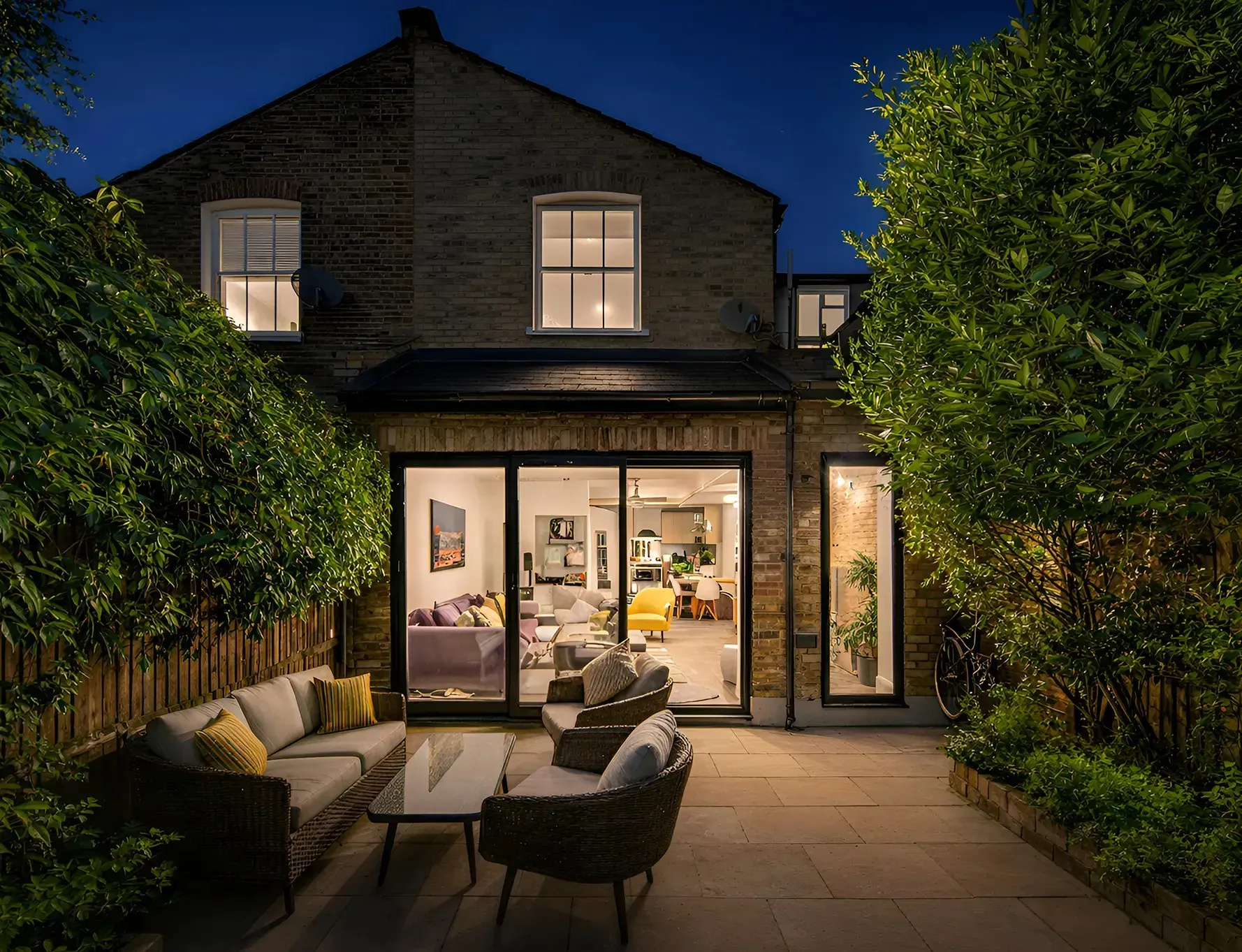

An honest estimate and an optimistic one often look identical at first glance. The difference only shows up once construction starts and the real number arrives.
Understanding how much does an extension cost properly means looking past the headline figure most quotes lead with, and asking what that figure actually includes.
Most homeowners only discover the gap between an honest and an optimistic estimate once they're already committed to a project, which is exactly the point where it's hardest to change course.
Why Two Estimates For The Same Extension Can Differ So Much
Ask three firms to estimate the same rear extension and it's common to get three genuinely different numbers, sometimes tens of thousands of pounds apart. That gap rarely comes down to one firm being dishonest.
More often, it comes down to scope. One estimate might cover design, planning, and construction together. Another might quote construction alone, leaving design fees, structural engineering, and Building Regulations as separate costs to add later.
Reading past the headline number to understand exactly what's included is the single most useful habit when comparing quotes. It takes a few extra minutes per quote, but it's the difference between comparing genuinely like for like figures and comparing numbers that were never measuring the same thing.
What A Genuinely Complete Estimate Should Include
A complete extension estimate covers design and architectural fees, structural engineering and calculations, the planning application itself where one is needed, construction labour and materials, Building Regulations approval, and a sensible contingency for unforeseen issues.
Party Wall Act costs belong on that list too, wherever the extension affects a shared wall with a neighbouring property. It's easy to overlook until a neighbour's surveyor gets involved partway through the process.
Missing even one of these categories from an initial figure doesn't make the project cheaper. It just moves the cost to appear later, usually at a point where it's harder to plan around.
How Site Specific Factors Change The Real Cost
Two extensions of identical size can cost noticeably different amounts once site conditions get factored in. Ground conditions, existing drainage, and how easily materials can actually reach the build site all affect the final figure.
A property with restricted access, common on many London terraces, often needs smaller deliveries spread over more visits, which adds cost that a generic per square metre estimate doesn't capture.
Existing structural condition matters just as much. An older property with an already compromised wall or foundation needs remedial work that a newer, better maintained property simply doesn't. None of this shows up in a generic per square metre figure, which is exactly why a proper site assessment matters more than a quick online calculator for anything beyond an initial ballpark range.
Getting A Feasibility Assessment Before Committing To A Number
A proper feasibility assessment reviews the actual property, not a generic average, before producing any cost estimate. That review covers planning status, structural condition, and site access, giving a range that's grounded in the real project rather than a national benchmark.
This step costs little or nothing upfront and tends to prevent the most expensive mistake in extension planning, designing around a budget that was never realistic for the specific property in the first place. Homeowners who want to estimate extension costs before committing to a full feasibility review can start with a general breakdown across different extension types and sizes.
How To Compare Quotes Without Getting Misled By Price Alone
Ask each firm to itemise their quote using the same categories, rather than accepting a single bundled figure that's difficult to compare fairly. A lower number that excludes structural engineering isn't actually cheaper once that cost gets added back in.
Asking what happens if the structural survey reveals unexpected issues is also worth doing upfront. A fixed price quote with no mechanism for genuine unforeseen circumstances is either unusually confident or hasn't accounted for a common source of extra cost on older properties. Firms that answer this question clearly, rather than deflecting it, tend to be the ones worth working with.
Why An Honest Estimate Is Worth More Than A Cheap One
The lowest quote rarely turns out to be the cheapest project once everything gets included. A slightly higher estimate that accounts for the full scope from the start tends to hold up better than a lower one that quietly grows as construction progresses.
Homeowners who start with an honest, complete picture end up making better decisions throughout the project, simply because they're working from numbers that reflect what the extension will actually cost rather than what looked good on an initial quote.
That distinction rarely feels important at the quoting stage. It becomes obvious the moment construction starts and the first genuinely accurate invoice arrives.

























Sign in to leave a comment.