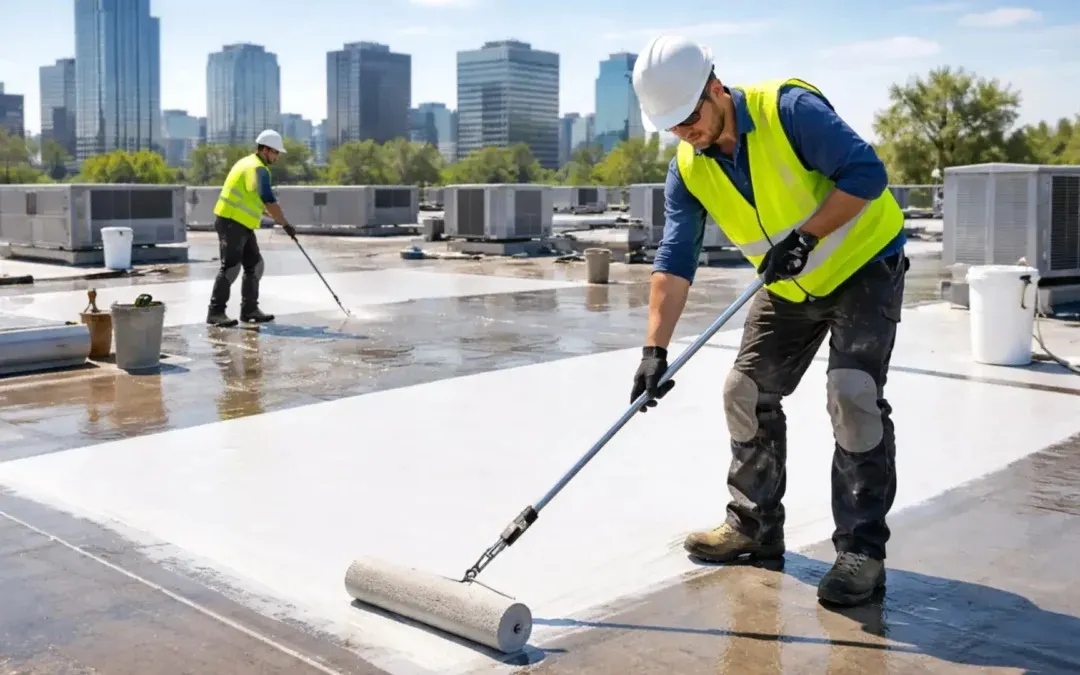

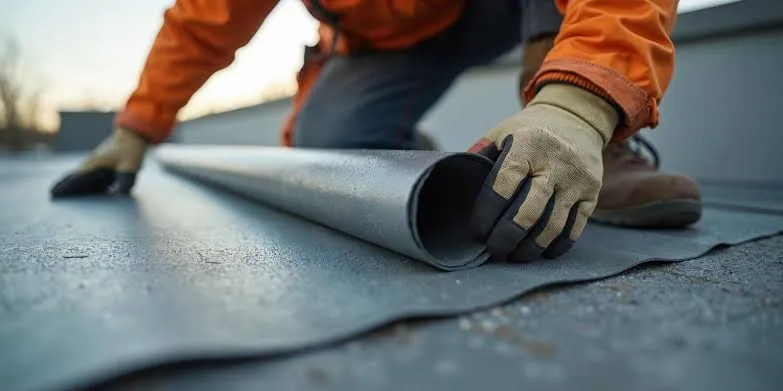
There was a time when waterproofing got treated as an afterthought, something addressed only after a leak or flood revealed a problem. That mindset has been shifting steadily, and building owners now increasingly view commercial waterproofing as a foundational part of protecting their property rather than a reactive repair. The reasons behind this shift are practical, financial, and increasingly hard to ignore.
The Changing Risk Landscape
Buildings face more water-related stress today than they did a few decades ago. Extreme weather events have become more frequent and more intense in many regions, putting additional strain on roofing systems, building envelopes, and below-grade structures. At the same time, buildings themselves have aged, and many were constructed with waterproofing standards that don't hold up as well against today's conditions.
This combination has pushed commercial waterproofing from a background consideration to a front-line priority for owners trying to protect their investment.
What's Really at Stake Without Proper Waterproofing
Water intrusion doesn't just cause a temporary inconvenience. Left unaddressed, it can compromise nearly every part of a building's structure and operations.
- Structural damage can occur when water reaches steel reinforcement or concrete, weakening the building over time in ways that are expensive and difficult to reverse.
- Mold growth presents both health risks to occupants and significant remediation costs once it takes hold.
- Interior damage to finishes, flooring, and equipment often accompanies water intrusion, particularly in below-grade spaces like parking structures and basements.
- Operational disruption can force businesses to temporarily relocate or close sections of a building during repairs.
- Decreased property value often results from a documented history of water damage, affecting resale and insurance considerations.
Commercial waterproofing addresses these risks proactively, protecting a building before these outcomes ever have a chance to develop.
Why Owners Are Shifting Their Mindset
The math favors prevention. Building owners who compare the cost of proactive commercial waterproofing against the cost of repairing extensive water damage consistently find that prevention is the more financially sound choice. Emergency repairs, especially structural ones, tend to cost significantly more than a planned waterproofing investment.
Insurance and liability pressures. Insurers increasingly expect documented maintenance and protective measures, and a lack of proper waterproofing can complicate claims or increase premiums. Owners are recognizing that solid waterproofing practices support better outcomes in this area.
Longer-term asset value. Owners planning to hold or eventually sell a property understand that consistent, documented commercial waterproofing protects long-term value, avoiding the kind of deferred maintenance issues that scare off future buyers or tenants.
Tenant retention. Businesses and residents alike expect a well-maintained, dry, comfortable space. Water issues, even minor ones, can drive tenant dissatisfaction and turnover.
Where Commercial Waterproofing Matters Most
Certain areas of a building carry higher risk and deserve particular attention:
- Below-grade spaces, including basements and parking structures, which face constant exposure to groundwater and drainage issues.
- Roofing systems, especially flat or low-slope commercial roofs that are more prone to pooling water.
- Building facades and exterior walls, where seams, joints, and material transitions create potential entry points.
- Balconies and exterior walkways, which often see repeated water exposure and heavy foot traffic simultaneously.
A comprehensive commercial waterproofing strategy accounts for all of these areas rather than focusing narrowly on just one.
What a Strong Waterproofing Strategy Looks Like
Owners taking this seriously tend to prioritize a few consistent practices:
- Regular inspections of vulnerable areas to catch early signs of wear or failure.
- Prompt repair of any compromised waterproofing before small issues expand into larger problems.
- Use of appropriate materials and methods suited to the specific building type and exposure conditions.
- Clear documentation of maintenance and repair history, supporting both budgeting decisions and insurance considerations.
Choosing the Right Partner for the Job
Commercial waterproofing isn't a job for guesswork. Building owners should look for a contractor who understands the specific vulnerabilities of their building type, communicates clearly about timelines and scope, and has a demonstrated history of reliable, quality work. A contractor who treats the relationship as a long-term partnership, rather than a single transaction, tends to deliver more consistent results over time.
Our Approach at Waterproof Caulking & Restoration
Waterproof Caulking & Restoration has built its business as a family-owned company committed to doing jobs right the first time. We know how much building owners depend on us to meet deadlines and communicate clearly, which is why we stick to our schedules and return every call promptly and professionally. Above all, our goal is to build lasting relationships with clients across many successful projects, not just complete a single job and move on.
The Bottom Line
Commercial waterproofing has moved from a background concern to a genuine priority for building owners, and for good reason. The financial, structural, and reputational costs of water damage far outweigh the investment required to prevent it in the first place. Owners who embrace proactive waterproofing are protecting more than just their building's physical condition. They're protecting its long-term value and the relationships that depend on it staying in good shape.
























Sign in to leave a comment.