
Introduction to Automotive Gear Oil GL-4
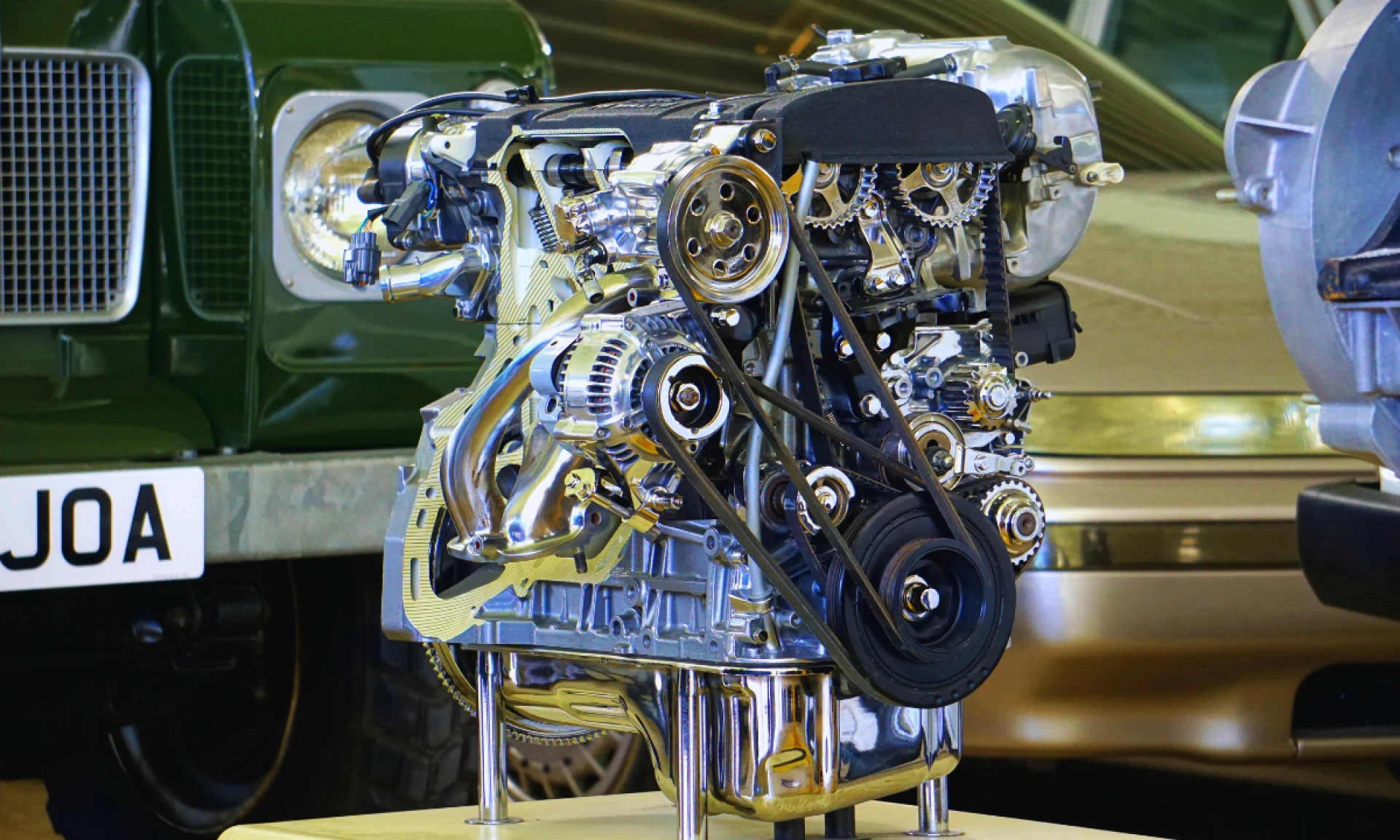
Automobile equipment depends heavily on lubrication to maintain smooth operation and prevent wear. One essential lubricant is Automotive Gear Oil GL-4, which ensures that gear systems in cars, trucks, and SUVs function efficiently. This gear oil reduces friction, prevents overheating, and protects metal surfaces inside transmissions and differentials. Regular use of Automotive Gear Oil GL-4 keeps the gearbox performing optimally, minimizes repair costs, and improves overall vehicle longevity. For drivers and automobile enthusiasts, understanding the role of this oil is critical in maintaining reliable performance.
Understanding Gear Oil GL-4
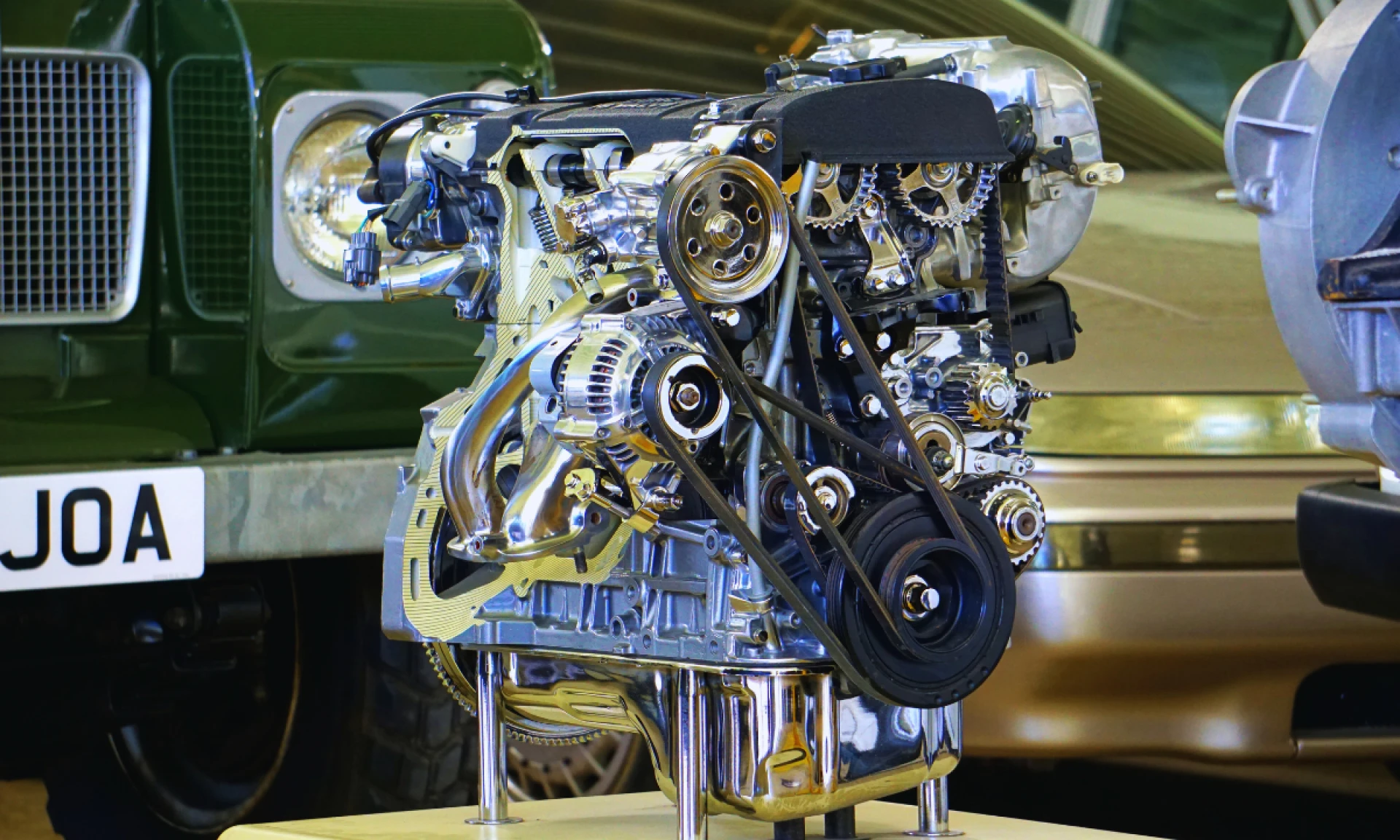
Automotive Gear Oil GL-4 is a specialized lubricant designed to protect gear teeth from wear and corrosion under moderate-to-high load conditions. It contains specific additives, including extreme pressure (EP) agents, that provide a balance of protection without causing excessive friction. GL-4 is suitable for manual transmissions, transfer cases, and differential systems in many vehicles. Its formulation ensures smooth operation of gears, reduces gear noise, and enhances shifting precision. Choosing the right grade and viscosity is essential for optimal performance and the long-term health of your vehicle’s transmission system.
Why Automotive Gear Oil GL-4 Is Important
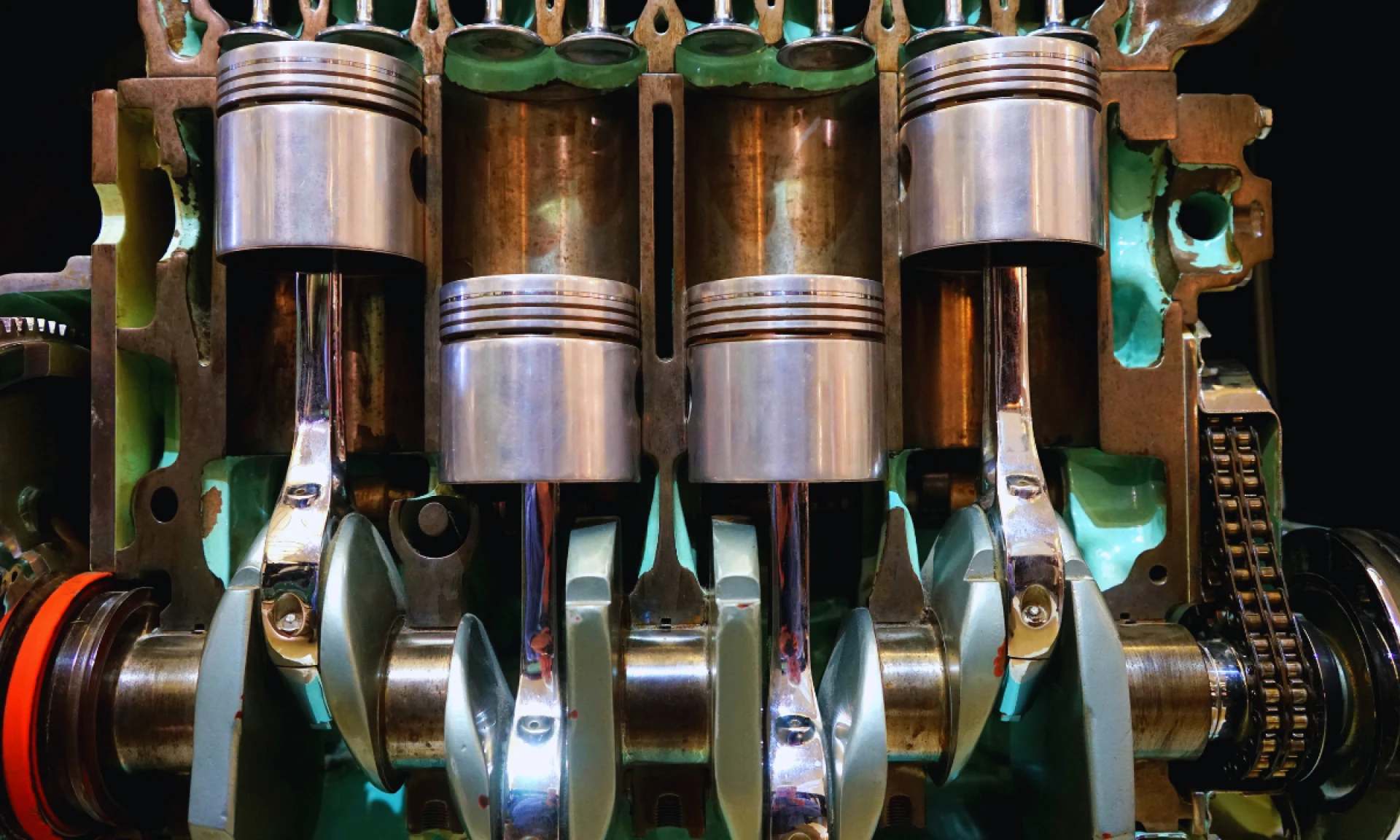
Gears are subjected to continuous stress, heat, and metal-to-metal contact during operation. Without proper lubrication, they wear down quickly, producing noise, vibration, and possible failure. Automotive Gear Oil GL-4 provides a protective film that minimizes friction and distributes heat effectively. It also helps resist corrosion from moisture and acidic by-products. Maintaining the proper fluid level with the correct GL-4 grade ensures consistent performance, smoother gear changes, and longer life for transmission components.
Benefits of Using Automotive Gear Oil GL-4
There are numerous advantages to using this lubricant:
Reduces Friction: Minimizes wear between gear teeth.
Enhances Shifting: Provides smooth and precise gear engagement.
Protects Against Corrosion: Prevents rust and damage from contaminants.
Temperature Stability: Resists breakdown under heat, ensuring continuous lubrication.
Extended Gear Life: Regular use reduces repair costs and downtime.
The right Automotive Gear Oil GL-4 improves drivability and ensures that the gearbox operates silently and efficiently.
How Gear Oil GL-4 Protects Automobile Equipment
Transmission components are precision-engineered and require stable lubrication to function properly. Automotive Gear Oil GL-4 forms a protective barrier between metal surfaces, preventing wear and scoring. Its additives ensure that the oil maintains viscosity under high pressure and temperature. This protection reduces friction, noise, and heat generation inside the gearbox. For manual transmissions and differentials, consistent lubrication prevents expensive component failure and ensures smooth power delivery to the wheels.
Different Grades and Viscosity Options
Automotive Gear Oil GL-4 comes in multiple viscosities, typically rated by SAE standards, such as 75W-90 or 80W-90. Choosing the correct grade depends on vehicle type, driving conditions, and manufacturer recommendations. Thicker oils provide better high-temperature protection, while thinner oils improve low-temperature fluidity. Using the right grade ensures optimal lubrication, minimizes wear, and supports the vehicle’s intended performance. Always refer to the owner’s manual to select the proper GL-4 gear oil for your automobile equipment.
Signs You Need Gear Oil Replacement
Transmission problems often arise from degraded or low-quality gear oil. Signs include:
Gear grinding or unusual noise during shifts
Stiff or difficult gear changes
Increased operating temperatures in transmission
Leaks or low fluid levels
When any of these issues occur, replacing the Automotive Gear Oil GL-4 restores lubrication and protects gears from further damage. Regular inspection prevents unexpected failures and maintains vehicle safety.
How to Change Automotive Gear Oil GL-4
Changing gear oil is straightforward with the right precautions:
Warm the vehicle slightly to thin the old oil.
Locate and drain the old fluid from the gearbox or differential.
Replace the drain plug and refill with the correct GL-4 oil.
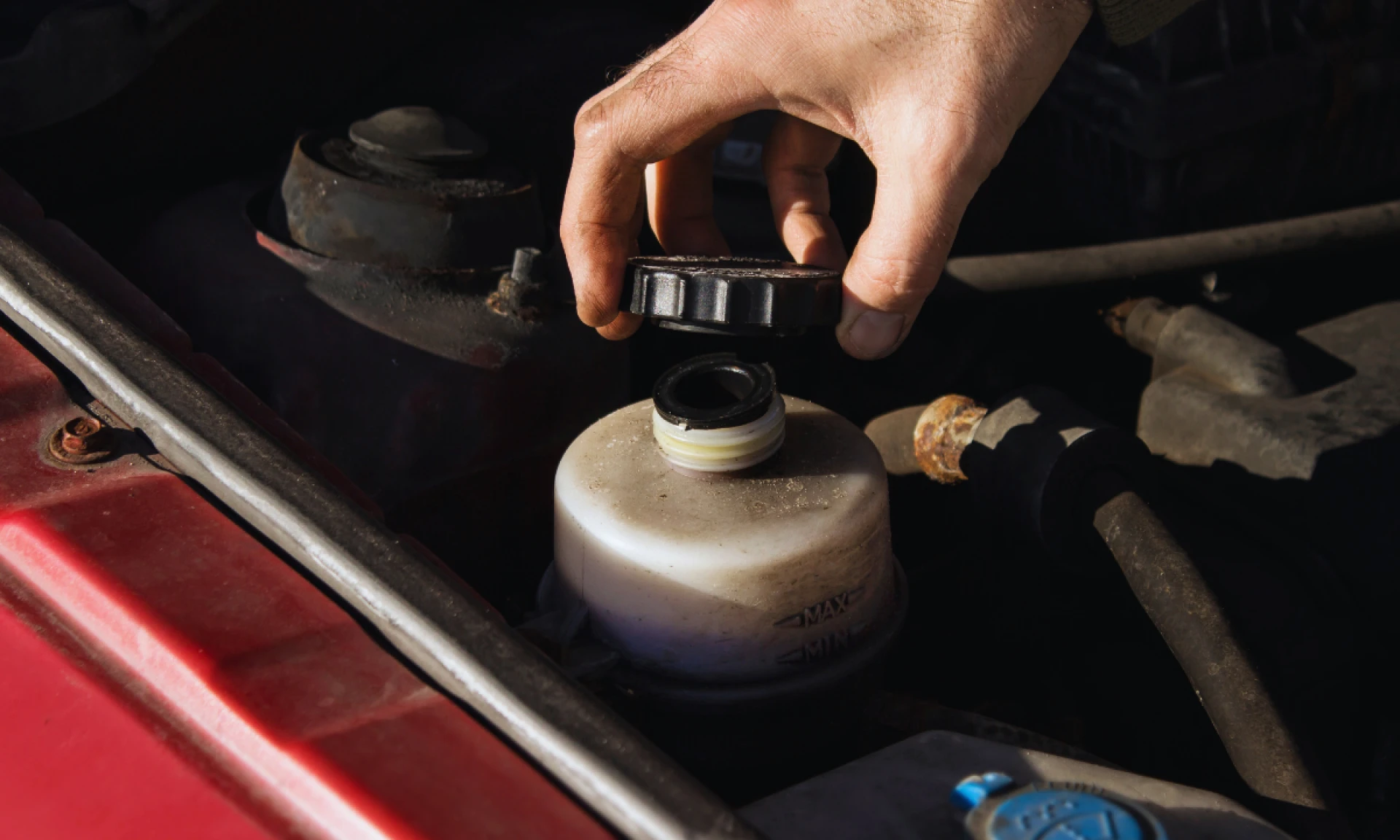
Check the level and operate the vehicle briefly to distribute the oil.
Routine changes maintain smooth operation and ensure that gears, bearings, and seals remain protected.
How Automotive Gear Oil GL-4 Enhances Fuel Efficiency
Proper lubrication reduces friction within gears, which in turn decreases engine and transmission load. When the drivetrain operates smoothly, less energy is wasted, translating to better fuel efficiency. Vehicles using fresh, high-quality Automotive Gear Oil GL-4 may experience improved mileage, quieter operation, and reduced heat generation. Maintaining lubrication with the correct gear oil grade also ensures the long-term reliability of automobile equipment.
Role in Extreme Driving Conditions
High-performance or heavy-duty vehicles are often subjected to extreme conditions, including high torque, steep inclines, or heavy loads. Automotive Gear Oil GL-4 is engineered to withstand these stresses. Its viscosity and additive package allow it to maintain a protective film, resist foaming, and prevent metal fatigue. In such conditions, using GL-4 gear oil ensures that the drivetrain operates efficiently, protects vital components, and reduces wear even under challenging conditions.
Professional Recommendations and Workshop Practices
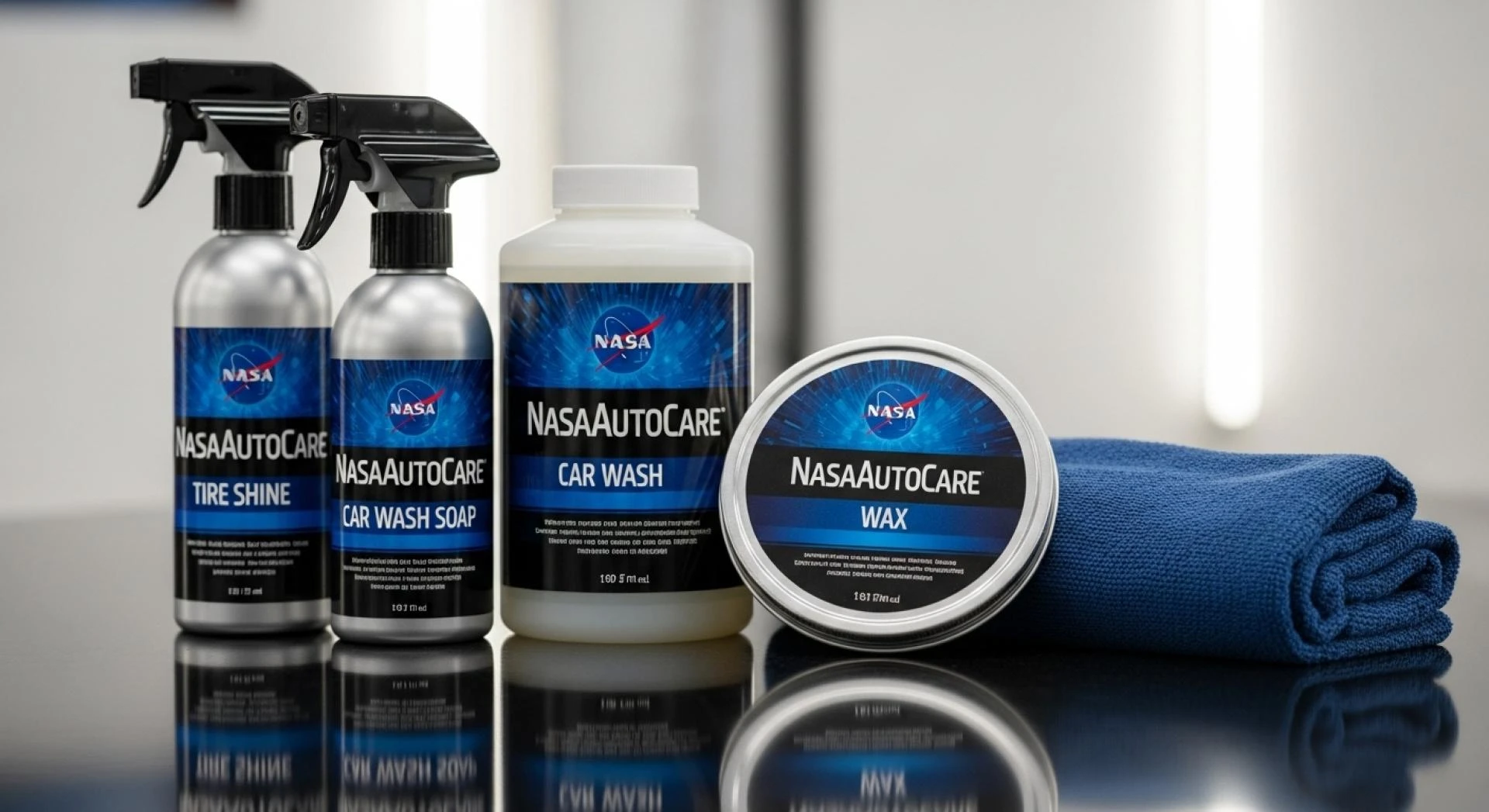
Professional workshops often recommend using high-quality Automotive Gear Oil GL-4 as part of regular maintenance. Technicians measure old oil, inspect for contamination, and replace it with premium lubricant to ensure smooth operation. Shops like Nasa Autocare emphasize using recommended grades and changing intervals to maximize component life and avoid costly repairs. Routine inspection and maintenance of automobile equipment like gear systems prevent sudden breakdowns and maintain safe driving conditions.
Environmental and Safety Considerations
Modern gear oils are formulated to minimize environmental impact while offering maximum protection. Proper disposal of used GL-4 oil is crucial to prevent soil and water contamination. High-quality gear oils also reduce emissions indirectly by improving transmission efficiency and reducing heat generation. Handling the oil safely with gloves and proper equipment ensures both personal safety and environmental responsibility.
Integrating Gear Oil Maintenance into Routine Care
Regular maintenance using Automotive Gear Oil GL-4 ensures long-term performance and prevents sudden mechanical issues. Vehicles in high-mileage or heavy-use scenarios benefit from more frequent checks. Combining gear oil inspection with other fluid checks—engine oil, brake fluid, and coolant ensures overall reliability of automobile equipment. A proactive approach to maintenance enhances vehicle lifespan, reduces repair costs, and maintains peak performance.
Conclusion
Automotive Gear Oil GL-4 is a fundamental component in maintaining smooth, efficient, and reliable gear operation. It protects against wear, reduces friction, stabilizes temperature, and improves shifting quality. Routine inspection, proper selection of grade, and timely replacement ensure long-term reliability of manual transmissions and differentials. Using premium gear oil, such as the products recommended by Nasa Autocare, guarantees optimal vehicle performance, improved fuel efficiency, and prolonged drivetrain life. Maintaining automobile equipment with the right gear oil is a simple yet effective way to enhance overall driving experience.
FAQ Section
What is Automotive Gear Oil GL-4?
It is a specialized lubricant designed for manual transmissions and differentials to reduce friction and protect gears.
How often should I replace GL-4 gear oil?
Typically every 40,000–60,000 kilometers or as recommended in the vehicle’s manual.
Can I use GL-4 instead of GL-5?
No, GL-4 is formulated for moderate-pressure applications; using GL-5 can affect synchro performance.
What happens if gear oil runs low?
Low or degraded oil causes gear wear, overheating, noise, and potential transmission failure.
Is professional service necessary for gear oil change?
While DIY is possible, professional workshops ensure proper grade, quantity, and safe disposal of used oil.

























Sign in to leave a comment.