
Understanding the Importance of Power Steering Systems
Modern cars rely heavily on advanced automobile equipment to provide smooth, controlled, and safe driving. Among these essential components, power steering fluid plays a vital role. This hydraulic liquid ensures that drivers can turn the steering wheel effortlessly, even at low speeds or tight corners.
What Power Steering Fluid Actually Does
Power steering fluid serves as the lifeline of the steering mechanism. It transfers pressure within the steering pump, allowing the wheels to respond quickly when the driver rotates the steering wheel. Without a stable fluid, the steering becomes stiff, uncomfortable, and unsafe, especially during sudden maneuvers.
How Automobile Equipment Depends on Hydraulic Pressure
In hydraulic steering systems, the steering pump, hoses, and rack-and-pinion assembly require fluid pressure to operate smoothly. The power steering fluid ensures these parts move effortlessly by reducing friction and supplying hydraulic force. This fluid also protects components from wear and overheating.
Types of Power Steering Fluid Used in Vehicles
Several fluid types exist depending on vehicle design. Some cars use automatic transmission fluid (ATF), while others require dedicated power steering fluid. Manufacturers design each formula with specific additives to support lubrication, heat resistance, and system protection. Choosing the correct type prevents damage and ensures optimal performance.
Why Choosing the Right Fluid Matters
Not all hydraulic fluids are the same. Using the wrong power steering fluid can cause leaks, steering stiffness, and pump failure. Automobile equipment is designed with precise tolerances, meaning even slight changes in fluid composition can interfere with system operation. Reading the vehicle manual helps ensure the right match.
Common Problems Caused by Low Fluid Levels
Many steering issues arise from low fluid levels. When the fluid drops below recommended volume, the steering pump produces noise, and the steering wheel becomes harder to turn. Ignoring this problem can damage the entire system. Filling the reservoir with the correct power steering fluid restores smooth movement.
How Power Steering Fluid Prevents Wear and Tear
Hydraulic steering systems include metal contact points that need lubrication to avoid friction. The fluid creates a protective layer around seals, pumps, and internal parts. This keeps the system cool and prevents premature breakdown, ensuring your automobile equipment remains reliable over the years.
Signs That Your Fluid Needs Replacement
Steering noise, dark-colored fluid, difficulty turning, or vibrations in the steering wheel all suggest that it’s time to replace the power steering fluid. Old fluid accumulates debris and loses its ability to flow properly. Fresh fluid restores performance and extends component life.
How Mechanics Check Power Steering Fluid Condition
Professionals evaluate the fluid's color, smell, and thickness. Healthy fluid is usually translucent and free from burnt odor. Dark, thick, or contaminated liquid indicates that the system needs flushing. Service centers, including trusted automotive shops like Nasa Autocare, use specialized equipment to ensure accurate inspection.
Why Power Steering System Maintenance Is Crucial
Hydraulic steering systems work under continuous pressure. Over time, hoses wear out, seals shrink, and pumps weaken. Regular maintenance protects your investment by preventing system failure. Changing power steering fluid at recommended intervals keeps the vehicle running smoothly.
Understanding the Science Behind Steering Fluids
Power steering fluid is engineered with friction modifiers and corrosion inhibitors. These chemical additives prevent metal damage and allow the system to operate smoothly under high temperatures. Since the steering pump creates constant pressure, the fluid must remain stable and consistent even under heavy use.
Heat Resistance and Fluid Performance
Heat is a major factor in steering systems. When the pump runs continuously, it generates heat that can degrade weak fluids. High-quality fluids resist heat breakdown and keep internal components functioning correctly. This is especially important for long trips and hot climates.
Compatibility Across Different Vehicle Models
Some older vehicles require specific fluid formulas, while modern cars typically use more advanced options. Mixing incompatible fluids can create foam, reduce hydraulic pressure, and cause unpredictable steering behavior. Always check the reservoir cap or manual before adding power steering fluid to ensure compatibility.
How Power Steering Improves Driver Comfort
The purpose of hydraulic steering is more than just easier wheel movement. It also enhances stability, reduces driver fatigue, and improves handling precision. With the right power steering fluid, the entire system responds quickly to driver commands, ensuring effortless navigation in tight spaces.
Role of Fluid in Protecting Seals and Hoses
Seals and hoses are sensitive components within the steering system. The fluid keeps them flexible and prevents cracks or leaks. When seals dry out from poor lubrication or old fluid, the system loses pressure and becomes unreliable. Maintaining healthy fluid ensures long-term component protection.
Why Flushing Old Fluid Is Necessary
Over time, contaminants accumulate in the system, including metal shavings, dirt, and moisture. Flushing removes these impurities and restores the effectiveness of new power steering fluid. This prevents pump damage and avoids expensive repairs in the future.
What Happens When Fluid Turns Dark or Burnt
Dark or burnt-smelling fluid is a sign of overheating or internal wear. This indicates the pump is overworking or the fluid is deteriorating. Replacing it ensures the system continues functioning safely. Ignoring these signs can lead to pump seizure or steering failure.
Power Steering Fluid and Vehicle Safety
Safe steering isn't just about comfort it’s a matter of road safety. If the steering becomes heavy or unresponsive, the driver may struggle during emergency turns. Maintaining correct fluid levels ensures quick response time, helping prevent accidents and giving full control over the vehicle.
How Drivers Can Maintain Proper Fluid Levels
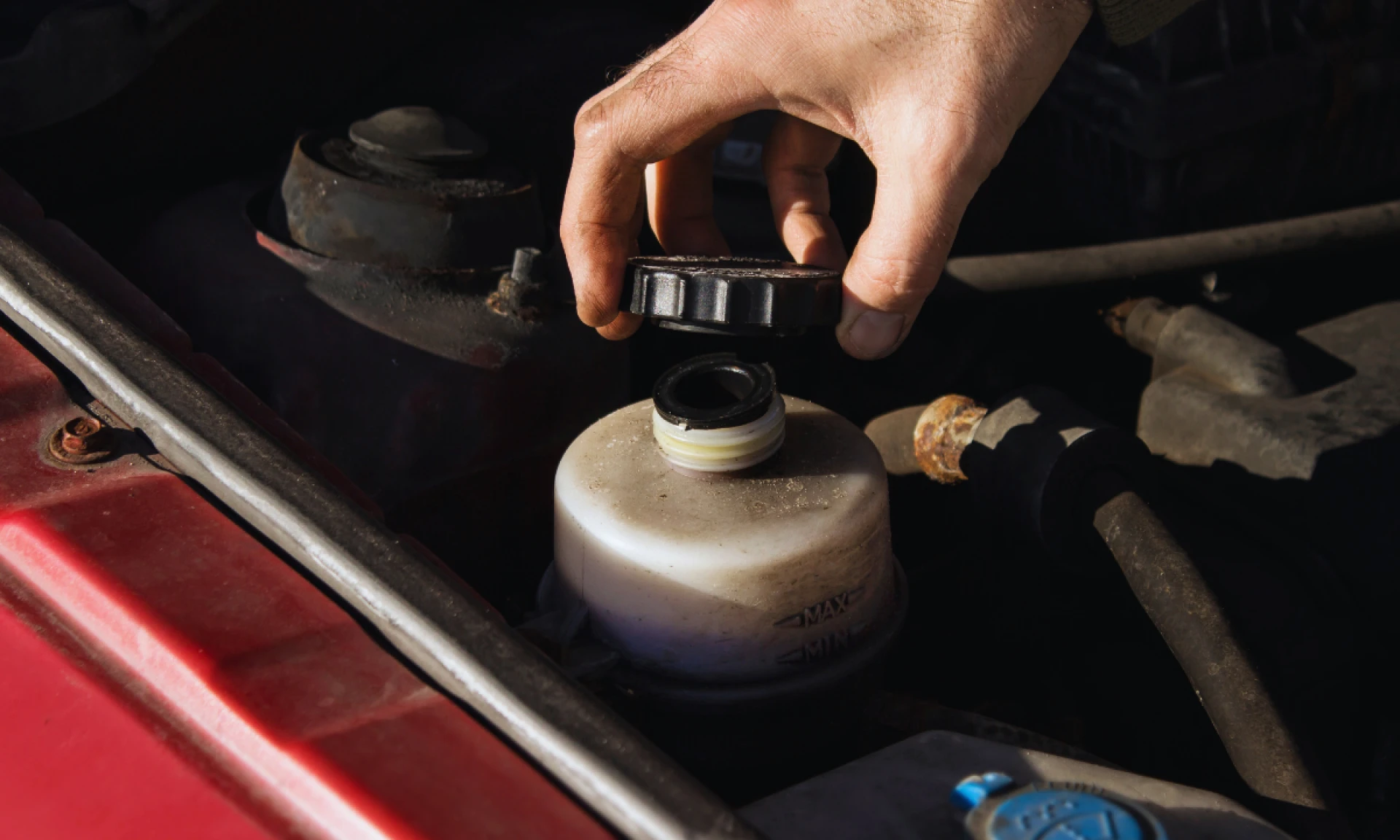
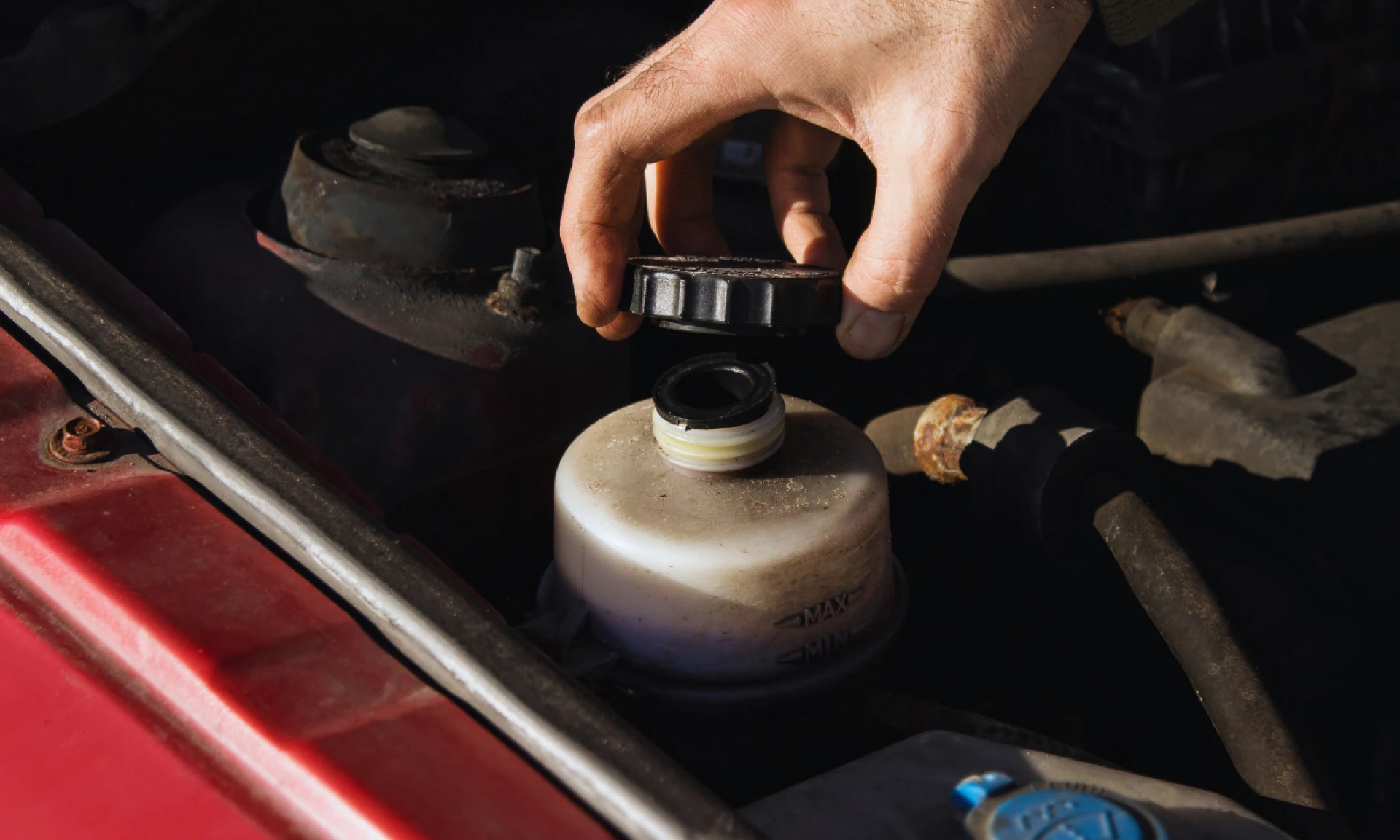
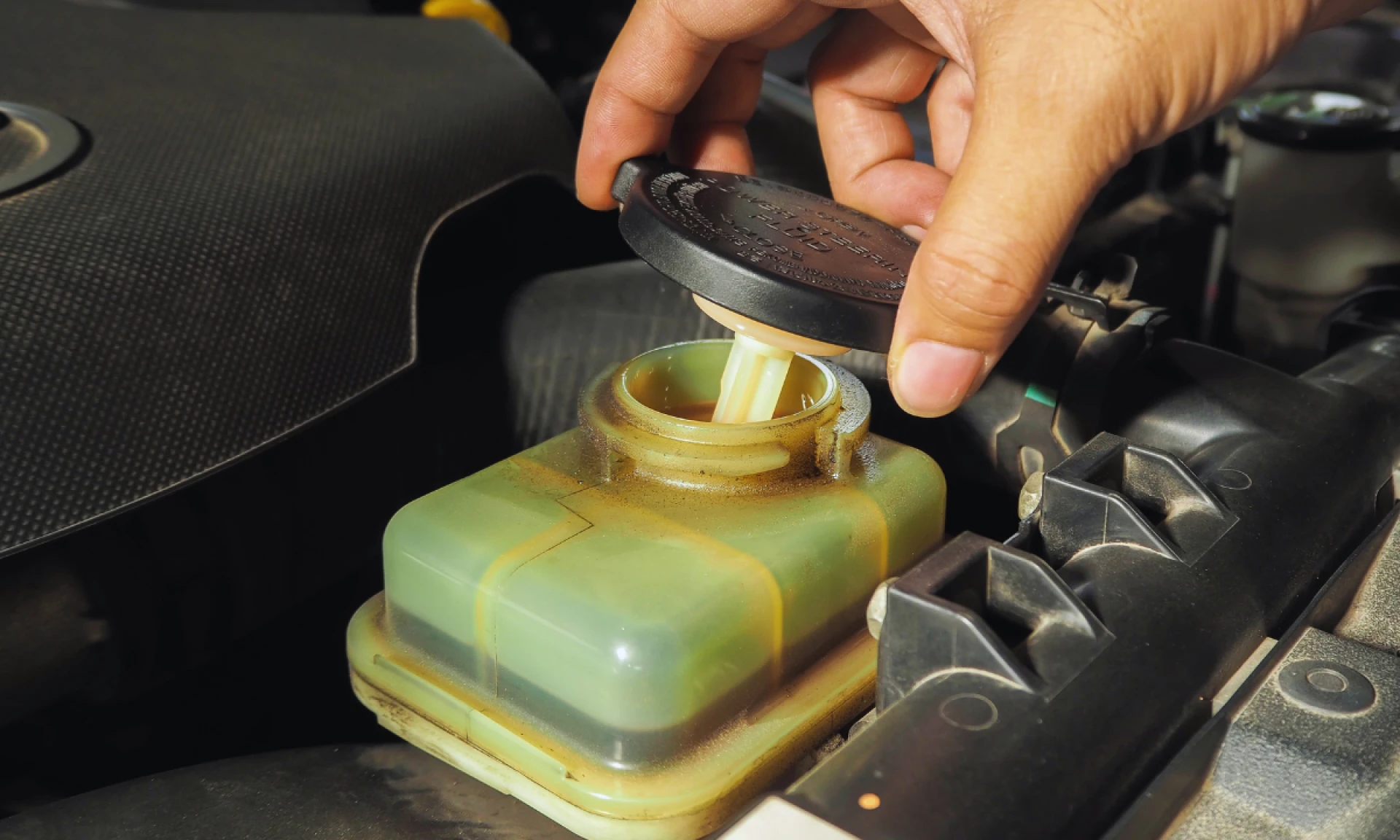
Checking fluid levels takes only a moment. Open the reservoir cap, examine the dipstick or markings, and refill if necessary. Always wipe the area clean to prevent contamination. Adding the correct power steering fluid ensures consistent performance and prevents steering stiffness.
Choosing the Best Fluid for Your Vehicle
Brands vary in quality, but the best option is always the one recommended by the manufacturer. Look for fluids with high heat tolerance, anti-wear properties, and corrosion protection. Spending a little more on quality fluid helps you avoid costly system repairs later on.
The Future of Power Steering Technology
New vehicles increasingly use electric power steering, which doesn’t require hydraulic fluid. However, millions of cars on the road still rely on traditional fluid-based systems. Maintaining the right power steering fluid keeps these vehicles performing smoothly as long as they remain in use.
Final Thoughts About Power Steering Fluid
Power steering fluid is a simple yet essential part of your car’s performance. It ensures smooth steering, protects internal components, and enhances driving comfort. With regular checks, proper flushing, and professional maintenance, your steering system stays strong, responsive, and reliable. Keeping your automobile equipment in top condition starts with choosing the right fluid and maintaining it correctly.
FAQ About Power Steering Fluid
What is power steering fluid?
It is a hydraulic liquid that helps the steering system move smoothly and reduces the effort needed to turn the wheel.
How often should it be replaced?
Most vehicles require fluid changes every 40,000–80,000 kilometers or as recommended by the manufacturer.
Can I mix different types of power steering fluid?
Mixing fluids is not recommended unless the formulas are compatible. Always check the vehicle manual.
What are signs of low fluid?
Whining noises, stiff steering, or fluid below the minimum mark indicate the need for a refill.
Can driving with bad fluid damage the system?
Yes, old or low-quality fluid increases wear and can cause pump failure and steering issues.





























Sign in to leave a comment.