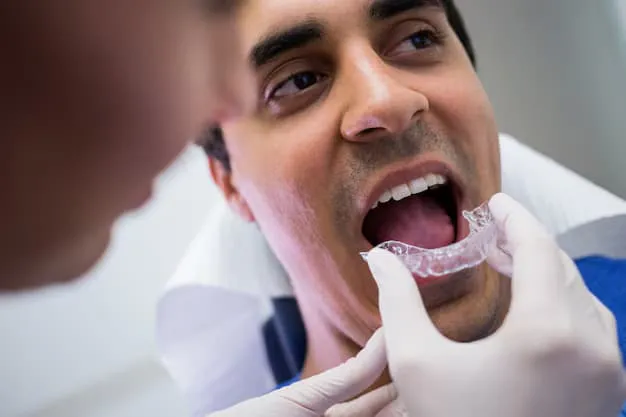

Choosing orthodontic treatment is an important decision, especially when a patient wants to improve tooth alignment while maintaining a natural looking appearance. Clear aligner treatment can provide a discreet alternative to traditional braces for many suitable patients. Anyone researching an invisalign dentist should understand how treatment works, what results may be expected, and what responsibilities are involved throughout the process. Asking thoughtful questions during the consultation can help patients understand their options, make informed decisions, and feel more confident about beginning treatment.
1. Am I a Good Candidate for Invisalign Treatment?
The first question should focus on whether clear aligner treatment is suitable for the patient's specific dental condition. Clear aligners can address many alignment concerns, including certain cases of crowding, spacing, and bite irregularities. However, the severity and complexity of the problem can influence whether aligners are appropriate. A dentist will usually examine the teeth, gums, bite, and jaw before recommending treatment. Dental health also matters because cavities, gum disease, or other concerns may need to be addressed before orthodontic treatment begins.
Understanding Individual Suitability
Every patient's orthodontic needs are different, so treatment should not be selected solely because clear aligners are popular. Some complex tooth movements may require additional orthodontic approaches or a different treatment method. During the consultation, patients can ask why aligners are being recommended and whether another option could provide better results. Understanding the reasoning behind the recommendation allows patients to compare treatments based on their individual circumstances rather than choosing an option based only on appearance or convenience.
2. What Dental Problems Can Invisalign Correct?
Patients should ask exactly which dental concerns the proposed treatment is expected to address. Clear aligners can often improve mild to moderate crowding, spacing, and certain bite problems, depending on the patient's anatomy and treatment plan. Some cases may require additional techniques to achieve the desired movement. The dentist can explain which teeth need to move, how they are expected to move, and what limitations may exist. This discussion helps patients develop realistic expectations before committing to treatment.
Discussing Treatment Goals
A patient may want straighter teeth, improved spacing, or a more balanced smile, but the treatment goal should also consider oral function. Tooth alignment can affect cleaning, chewing, and bite relationships. During the consultation, the dentist can explain how the proposed changes may affect both appearance and function. Patients should clearly communicate their priorities and concerns. A personalized plan can then be developed to address the most important issues while maintaining healthy teeth and supporting tissues throughout treatment.
3. How Long Will My Treatment Take?
Treatment time varies according to the complexity of tooth movement, the number of aligners required, and how consistently the patient follows the treatment instructions. Some patients may complete treatment relatively quickly, while others may require a longer period. The dentist can provide an estimated timeline after evaluating the teeth and developing a treatment plan. Patients should understand that the estimate is not an absolute guarantee because tooth movement and biological responses differ from person to person. Unexpected refinements may occasionally extend the treatment period.
What Can Affect the Timeline?
Several factors can influence treatment duration. Patients who wear their aligners according to instructions and attend scheduled appointments may be more likely to remain close to the planned timeline. Missing appointments, not wearing aligners as recommended, or losing aligners can cause delays. Tooth movement may also progress differently than initially expected. Patients should ask what happens if teeth do not move according to the original plan. Knowing how refinements are handled can make the overall process easier to understand.
4. How Many Hours Should Aligners Be Worn?
Clear aligners are removable, but their effectiveness depends heavily on consistent use. Patients should ask the dentist how many hours each day the aligners should be worn and when they should be removed. They are generally taken out for eating and drinking anything other than water, as well as for routine oral hygiene. Because patients can remove the appliances themselves, treatment requires personal responsibility. Understanding the recommended wear schedule before starting can help patients decide whether aligner treatment fits comfortably into their daily routine.
Building Consistent Habits
Patients with busy schedules should consider how aligners will fit into work, school, travel, meals, and social activities. Developing a consistent routine can make compliance easier. Patients may find it helpful to keep an aligner case available whenever the appliances are removed. They should also understand the importance of placing aligners somewhere clean and secure rather than wrapping them in a tissue or leaving them exposed. Small daily habits can make treatment more manageable and reduce the risk of losing or damaging an appliance.
5. Will Invisalign Treatment Be Painful?
Patients often wonder whether moving teeth with clear aligners will cause discomfort. Some pressure or mild soreness can occur when a new aligner is introduced because the appliance is applying controlled forces to the teeth. Discomfort is usually temporary, although experiences vary. Patients should ask what level of discomfort is considered normal and when they should contact the dental office. Understanding what to expect can prevent unnecessary concern. The dentist can also provide guidance for managing temporary irritation or pressure during different stages of treatment.
Managing Temporary Irritation
New aligners can sometimes create minor irritation around the lips, cheeks, or gums while the mouth adjusts. Patients should mention persistent irritation or sharp edges rather than trying to tolerate significant discomfort. The dentist can evaluate whether an adjustment is needed. Patients should avoid altering aligners themselves because unnecessary changes could affect their fit and function. Properly fitting appliances are important for predictable tooth movement. Clear communication about discomfort can help the dental team address problems before they interfere with treatment.
6. What Should I Do If I Lose an Aligner?
Because clear aligners are removable, there is always a possibility that an appliance could be misplaced or damaged. Patients should ask in advance what steps to follow if this happens. The recommended response may depend on the stage of treatment and how long the patient has been using the affected aligner. Patients should contact the dental office rather than simply skipping ahead to another appliance without guidance. Moving teeth with an incorrect sequence can interfere with the intended treatment plan and may create unnecessary delays.
Protecting Aligners
Proper storage can reduce the risk of losing or damaging aligners. Patients should use a dedicated case whenever the appliance is removed. Aligners should not be placed in pockets, wrapped in napkins, or left on restaurant tables because they can easily be discarded or contaminated. Cleaning instructions should also be followed carefully. Patients should avoid exposing the aligners to very hot water because heat can affect their shape. Good handling habits help preserve the appliances and keep treatment progressing as planned.
7. How Will I Maintain My Oral Hygiene?
Oral hygiene remains particularly important during clear aligner treatment because the appliances can cover the teeth for much of the day. Patients should ask how to brush, clean between teeth, and care for the aligners properly. Eating while wearing aligners may increase the risk of trapping food and bacteria against the teeth. Maintaining a clean mouth helps reduce the risk of cavities, gum inflammation, and unpleasant odors. The dentist can recommend appropriate cleaning techniques based on the patient's dental condition and daily routine.
Cleaning the Aligners
Clear aligners require regular cleaning to help maintain freshness and transparency. Patients should follow the cleaning method recommended by their dental professional and avoid harsh substances that could damage the material. The appliances should be rinsed appropriately when removed and cleaned as directed. Oral hygiene should also be completed before replacing them after meals. Keeping both the teeth and aligners clean supports better treatment conditions and can help patients feel more comfortable wearing the appliances throughout the day.
8. Will I Need Attachments or Additional Procedures?
Some patients require small tooth colored attachments or other supporting techniques to help certain teeth move as planned. Patients should ask whether attachments are expected in their treatment and what role they will play. Additional procedures may sometimes be recommended before, during, or after aligner treatment depending on the patient's dental condition. Understanding these possibilities in advance can prevent surprises later. The dentist should explain why an additional procedure is being suggested and how it may affect treatment time, comfort, appearance, or maintenance.
Understanding Refinements
Not every tooth movement progresses exactly as predicted, so additional aligners may sometimes be needed after the initial series. These additional appliances are often referred to as refinements. Patients should ask whether refinements are anticipated and how they are handled within the proposed treatment plan. The need for refinement does not necessarily mean treatment has failed. Tooth movement is a biological process, and individual responses can vary. Understanding this possibility can help patients maintain realistic expectations throughout the orthodontic process.
9. What Will Happen After Treatment Ends?
Completing active aligner treatment does not mean that orthodontic care is finished. Teeth can gradually shift after treatment if they are not properly maintained in their new positions. Patients should ask what type of retainer will be recommended and how frequently it should be worn. Retention is an important part of protecting the results achieved during active treatment. The dentist can explain how long retainers should be used, how they should be cleaned, and when replacement may eventually be necessary.
Why Retainers Matter
Teeth naturally experience movement throughout life, even after successful orthodontic treatment. Retainers help maintain their corrected positions and reduce the likelihood of unwanted shifting. Patients should understand that retention is a long term responsibility rather than a short final stage. If a retainer becomes damaged, lost, or uncomfortable, professional advice should be obtained promptly. Continuing to follow the recommended retention schedule can help preserve the alignment achieved through treatment and protect the investment made in improving the smile.
10. What Is the Total Cost of Treatment?
Cost is an important consideration when evaluating orthodontic treatment. Patients should ask for a clear explanation of the estimated total cost and what is included in the treatment plan. Depending on the circumstances, the overall fee may cover examinations, aligners, monitoring appointments, refinements, and retainers, but policies vary. Patients should also ask about payment options and insurance benefits when applicable. Understanding financial responsibilities before treatment begins can help prevent unexpected expenses and allow patients to compare treatment choices more confidently.
Asking About Long Term Costs
The initial treatment fee is not the only financial consideration. Patients should ask whether replacement aligners, additional appointments, refinements, or replacement retainers could involve separate charges. Understanding potential future expenses makes it easier to evaluate the overall value of treatment. Patients should also consider the time commitment involved in attending appointments and following daily care instructions. A complete understanding of financial and practical responsibilities can help patients decide whether clear aligner treatment fits their expectations and circumstances.
Preparing for the Consultation
A successful orthodontic consultation depends on clear communication between the patient and dental professional. Before the appointment, patients can write down their main concerns, desired results, previous orthodontic experiences, and questions about treatment. Bringing information about current medications, dental history, and previous procedures may also be helpful. Patients should not hesitate to ask for explanations when unfamiliar terms are used. A consultation should provide enough information for the patient to understand the proposed treatment, expected responsibilities, potential limitations, and long term maintenance requirements before making a decision.
Conclusion
Clear aligner treatment can be an effective option for many patients seeking improvements in tooth alignment and smile appearance. Asking about candidacy, treatment goals, duration, wear requirements, discomfort, aligner care, refinements, retention, and costs can help patients make informed choices. Anyone considering an invisalign dentist should seek a personalized evaluation rather than relying solely on general treatment information. Glenlake Dental Care can help patients understand clear aligner treatment and discuss an approach that considers their dental condition, lifestyle, expectations, and long term oral health goals.
























Sign in to leave a comment.