
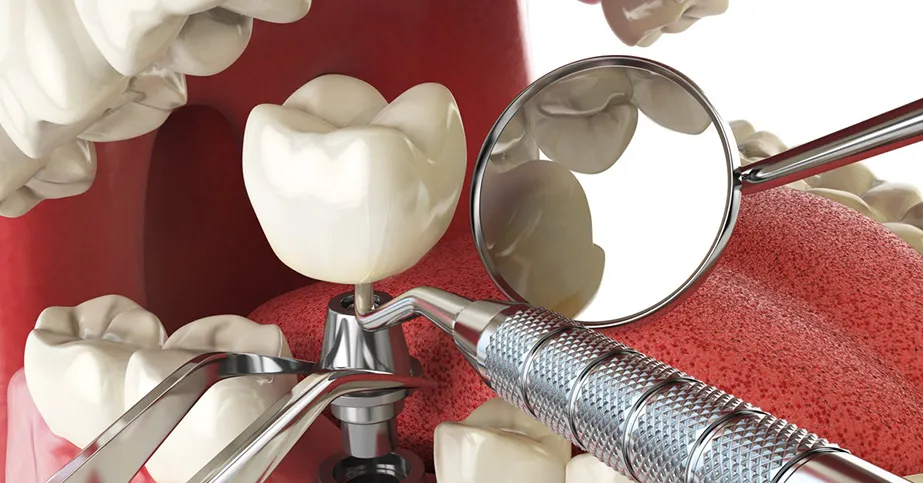
Missing teeth can affect much more than appearance. They may make chewing uncomfortable, alter speech, and cause neighboring teeth to shift into empty spaces. Dental implants provide a stable replacement by using a biocompatible implant post placed in the jawbone, followed by an abutment and custom-made crown. Unlike removable options, an implant is anchored to the jaw, helping create a secure and natural-feeling restoration.
Restoring a Natural-Looking Smile
A missing tooth can change the balance of your smile and facial appearance. An implant-supported crown is designed to match the surrounding teeth in shape, size, and shade. Because the replacement emerges from the gum in a way that resembles a natural tooth, it can blend smoothly with your existing smile. Your dentist will assess your bite, gum health, and available bone before planning the final restoration.
Improving Everyday Oral Function
One of the biggest advantages of implants is improved chewing stability. Removable dentures can sometimes move while eating, whereas properly integrated implants are firmly supported by the jaw. This can make it easier to handle a wider range of foods and speak confidently. Restoring a missing tooth can also help maintain balanced biting forces, reducing unnecessary stress on remaining teeth.
Supporting Jawbone Health
Tooth roots stimulate the surrounding jawbone. When a tooth is lost, the bone in that area can gradually shrink because it no longer receives the same mechanical stimulation. An implant can provide functional stimulation through the restored tooth, helping preserve the structure of the jaw. However, sufficient bone volume is important, and some patients may need bone grafting before implant placement.
Who May Benefit
Implants can be considered for adults with one or more missing teeth who have adequate jawbone support and healthy oral tissues. Certain conditions, medications, smoking habits, or uncontrolled gum disease may affect candidacy or healing. A detailed examination, often including dental imaging, helps the dentist evaluate bone levels, tooth spacing, bite, and overall oral health. Addressing gum disease or other dental problems first can improve the treatment environment.
The Treatment Process and Aftercare
Implant treatment usually involves consultation, planning, implant placement, healing, and attachment of the final crown. The healing period allows the implant to integrate with the bone, a process called osseointegration. Good oral hygiene is essential throughout treatment and afterward. Brushing twice daily, cleaning between teeth, attending dental checkups, and avoiding tobacco can support long-term implant health.
Bottom-Line
Dental implants can restore both the appearance and practical function of a missing tooth while providing a durable foundation for a replacement crown. Success depends on factors such as healthy gums, adequate bone, careful treatment planning, and consistent aftercare. If you are considering dental implants, a professional dental evaluation can determine whether they are appropriate for your oral health and help you understand the treatment stages involved.





























Sign in to leave a comment.