
A missing tooth can affect much more than your appearance. It can make chewing uncomfortable, impact speech, reduce confidence, and even lead to changes in jawbone health over time. While there are several ways to replace a missing tooth, modern implant dentistry offers one of the most durable and natural-looking solutions available today.
If you are considering dental implants for one tooth, understanding the procedure, benefits, recovery, and long-term expectations can help you make a confident and informed decision. Unlike removable options, a dental implant replaces both the missing tooth root and the visible crown, providing stability that closely resembles a natural tooth.
When a single tooth is lost due to injury, decay, or gum disease, leaving the gap untreated can cause surrounding teeth to shift gradually. This movement may affect your bite, increase the risk of gum problems, and make cleaning between teeth more difficult.
Replacing the missing tooth promptly helps:
- Restore chewing efficiency
- Improve speech clarity
- Maintain facial appearance
- Prevent neighboring teeth from drifting
- Preserve jawbone strength
- Enhance overall oral health
- Restore confidence while smiling
These benefits make dental implants for one tooth an increasingly popular treatment choice among adults seeking a permanent solution.
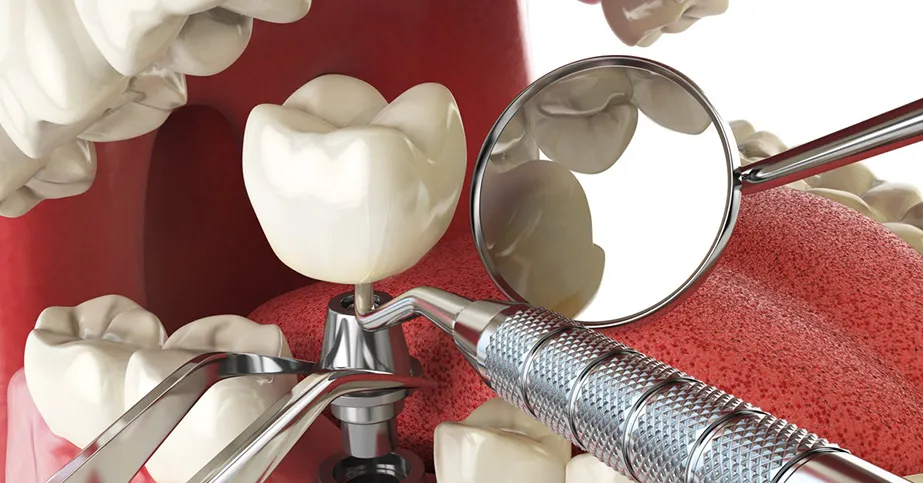
A dental implant consists of three primary components:
- A titanium implant that acts as an artificial tooth root
- An abutment connecting the implant to the crown
- A custom-made dental crown that resembles a natural tooth
Once healing is complete, the implant integrates with the jawbone through a biological process known as osseointegration. This creates a strong and stable foundation capable of supporting normal chewing and daily activities.
The treatment generally begins with a detailed examination, including digital imaging, to assess bone quality and determine whether the patient is a suitable candidate. If adequate bone is present, the implant can often be placed directly into the jawbone.
The typical treatment journey includes:
- Comprehensive oral examination
- Digital X-rays or 3D imaging
- Personalized treatment planning
- Implant placement
- Healing period
- Abutment placement
- Custom crown attachment
- Follow-up evaluations
The exact timeline varies depending on individual healing and whether additional procedures, such as bone grafting, are required.
Many people searching for dental implants for one tooth wonder whether the procedure is painful. Modern techniques and local anesthesia make implant placement comfortable for most patients. Mild soreness, swelling, or tenderness may occur afterward, but these symptoms usually improve within a few days with proper care.
Imagine a professional who loses a front tooth during a sports accident. Initially, they feel uncomfortable speaking in meetings and smiling during social gatherings. After choosing a single tooth implant and completing the healing process, they regain the ability to eat comfortably and smile naturally without worrying about the replacement shifting or looking artificial.
This practical example demonstrates how implant treatment improves both function and confidence in everyday life.
One major advantage of dental implants is their ability to preserve jawbone health. Unlike traditional bridges or removable dentures, implants stimulate the jawbone during chewing, helping reduce bone loss that naturally occurs after tooth extraction.
Additional benefits include:
- Natural appearance
- Long-lasting durability
- Improved chewing strength
- No impact on adjacent healthy teeth
- Better oral hygiene access
- Comfortable fit
- Stable bite function
- High success rates with proper care
These features explain why many dental professionals recommend dental implants for one tooth whenever appropriate.
However, not everyone is immediately ready for implant treatment. Suitable candidates generally have:
- Healthy gums
- Adequate jawbone support
- Good overall health
- Controlled medical conditions
- Commitment to oral hygiene
- Realistic treatment expectations
Patients with insufficient bone may require bone grafting before implant placement to improve long-term stability.
Recovery is usually straightforward when aftercare instructions are followed carefully.
Helpful recovery tips include:
- Eat soft foods during early healing.
- Maintain excellent oral hygiene.
- Avoid smoking whenever possible.
- Attend scheduled follow-up visits.
- Take prescribed medications as directed.
- Avoid chewing directly on the treated area initially.
Most individuals return to normal daily activities within a short period, although complete bone integration requires several months.
Another common question concerns the lifespan of implants. With proper oral hygiene, regular dental check-ups, and healthy lifestyle habits, implants can remain functional for many years. The attached crown may eventually require replacement due to normal wear, but the implant itself often provides long-term support.
Maintaining implant health is similar to caring for natural teeth. Daily brushing, flossing, professional cleanings, and routine dental examinations remain essential for preventing gum disease around the implant.
Some people compare implants with dental bridges. While bridges remain an effective option in certain situations, they usually require preparation of neighboring healthy teeth. In contrast, implants replace the missing tooth independently, helping preserve adjacent tooth structure.
Advancements in digital dentistry have also improved implant planning and placement accuracy. Three-dimensional imaging allows professionals to evaluate bone structure carefully, reducing risks and improving treatment precision.
Although the initial investment may be higher than some alternative options, many patients consider implants cost-effective over time because of their durability, comfort, and long-term performance.
Understanding the complete treatment process helps patients approach implant therapy with realistic expectations. Successful outcomes depend on proper planning, patient cooperation, good oral hygiene, and regular follow-up care.
FAQs
1. Are dental implants suitable for replacing one missing tooth?
Yes. A single dental implant is specifically designed to replace one missing tooth without affecting neighboring healthy teeth.
2. How long does the treatment take?
Treatment duration varies depending on healing and bone quality, but complete restoration often takes several months.
3. Is implant surgery painful?
The procedure is performed under local anesthesia, making it comfortable for most patients. Mild soreness after surgery is temporary.
4. How long do dental implants last?
With proper oral hygiene and regular dental check-ups, implants can remain functional for many years and often last decades.
5. Can I eat normally after getting an implant?
After the healing period is complete, most patients can comfortably enjoy their normal diet with restored chewing efficiency.
Final Thoughts
Choosing dental implants for one tooth is an excellent way to restore both function and appearance after tooth loss. Modern implant dentistry offers a stable, natural-looking, and long-lasting solution that supports jawbone health while preserving neighboring teeth. By maintaining good oral hygiene, following professional advice, and attending regular dental check-ups, patients can enjoy reliable results for years to come. For individuals seeking a permanent replacement for a missing tooth, dental implants for one tooth remain one of the most effective and predictable restorative options available today.




























Sign in to leave a comment.