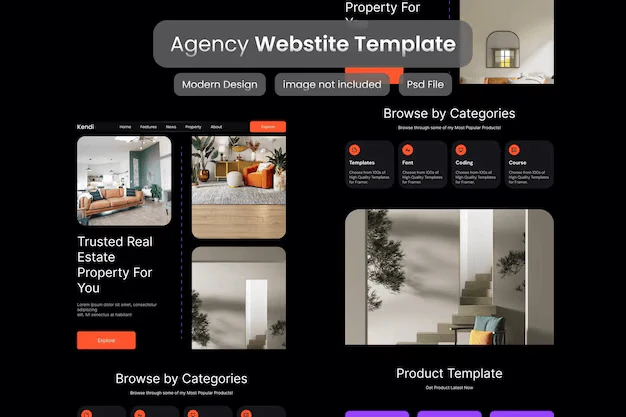

Your website makes a powerful first impression. Within three seconds, buyers decide to stay or leave. This reality shapes everything you do online.
Ninety-six per cent of homebuyers begin their search online. Your website is your digital storefront. You cannot afford to get this wrong.
Most agents understand they need a website. What few realise is that having a website and having a great website are entirely different. A mediocre site loses buyers instantly. A well-designed site builds trust and converts browsers into leads.
Why real estate website development matters
Real estate websites require specialized approach. Unlike general business sites, they showcase properties, manage complex information, and guide buyers through decisions.
Poor web design creates problems:
- 43% of users exit after one page
- Mobile users leave if the load time exceeds 3 seconds
- Limited photos reduce inquiries significantly
- Slow sites hurt both UX and SEO rankings
Website quality directly impacts your leads, conversions, and sales.
Tip 1: Mobile optimization first
Mobile traffic dominates property searches. Buyers browse listings on phones and tablets during commutes, lunch breaks, and evenings.
Google prioritizes mobile-friendly sites in rankings. Your mobile version determines SEO performance more than desktop.
Ensure:
- Navigation feels natural on small screens
- Text reads without zooming
- Buttons size properly for fingers
- Load times stay fast on slower connections
Test using Google's Mobile-Friendly Test tool for immediate feedback.
Tip 2: Advanced search functionality
Buyers want filters beyond basics. They search by price, location, bedrooms, bathrooms, school districts, and walkability scores.
Well-designed search boosts conversions by 40%. Multi-level filters let buyers narrow options progressively until finding exactly what they want. This keeps visitors engaged longer.
Tip 3: High-quality visuals
Professional photography sells properties faster and at higher prices. This is documented reality, not opinion.
Include 20+ quality photos per property. Drone photography increases engagement by 83%. Buyers want aerial views showing boundaries and proximity to amenities.
Video walkthroughs hold attention 48% longer than static listings. Invest in professional lighting and high-resolution images. Every photo communicates that you take your business seriously.
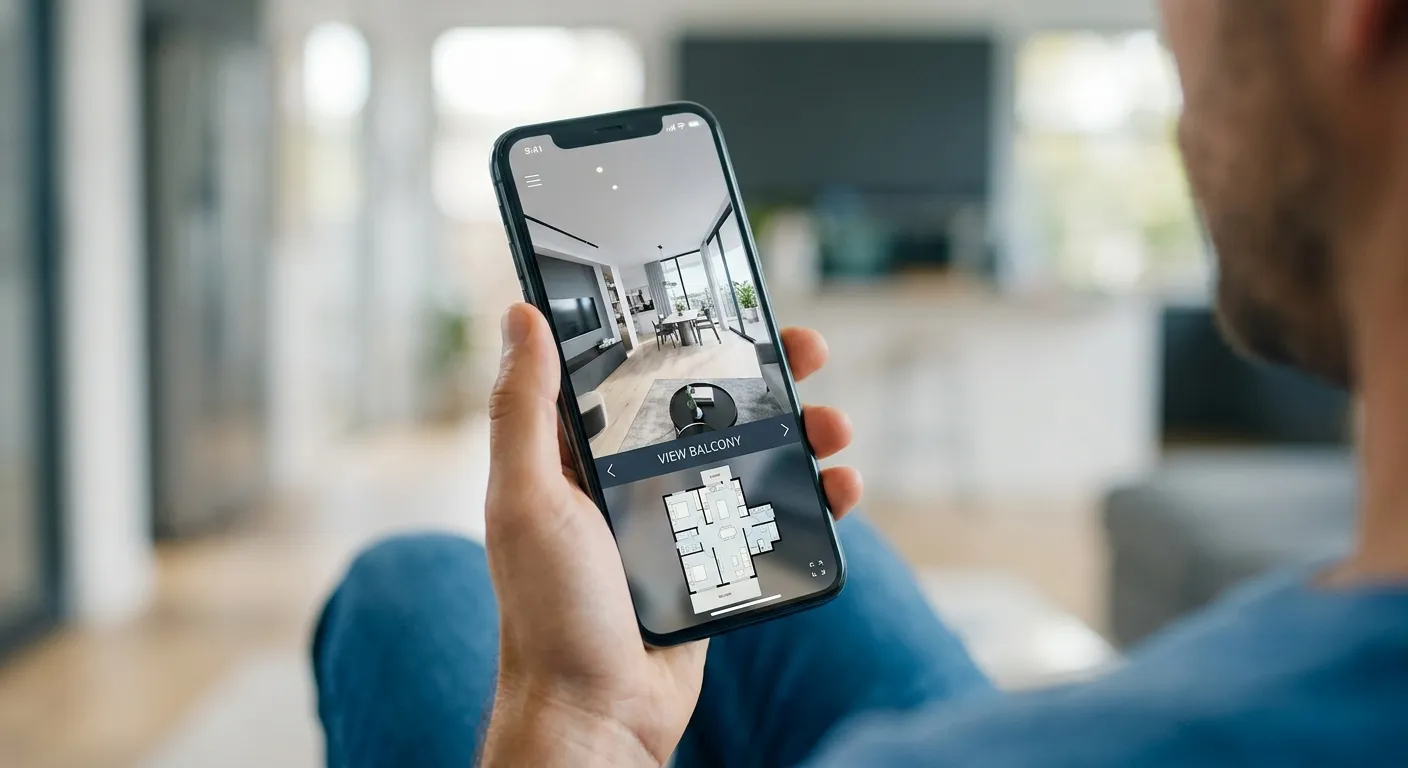
Tip 4: Virtual tours and 3D experiences
Virtual tours are no longer optional. They're basic expectations.
Modern buyers want:
- 360-degree views of every corner
- Interactive floor plans showing dimensions
- Furniture placement visualization
- VR headset integration options
Zillow reports VR tours increase engagement 48%. These tours save time by filtering mismatches before in-person visits.
Tip 5: Optimized descriptions
Property descriptions should inform and engage. Highlight square footage, rooms, and amenities while explaining why this property matters.
Use keywords naturally without forcing them awkwardly. Write for your audience first, search engines second. Clear, benefit-focused language converts visitors into leads effectively.
Start with unique selling points. Move to practical features and benefits. Use active voice and keep paragraphs short and scannable.
Well-optimized descriptions rank higher AND convert more visitors into contacts.
Tip 6: Separate buyer and seller pages
Different audiences arrive with different needs. Buyers want listings and market conditions. Sellers want selling guides, valuation tools, and proof of expertise.
Dedicated pages addressing these needs significantly improve the experience. Customization increases conversions from both segments.
Tip 7: Effective lead capture forms
Well-designed forms convert 40% better than poorly designed ones. Good forms double contact rates.
Keep forms simple:
- Ask only essential information
- Every field reduces completion rates
- Forms work 24/7
- Automate follow-ups
- Match form types to visitor needs
Tip 8: MLS and IDX technology
IDX technology connects your website to MLS databases automatically. Your listings stay current without manual updates.
Organic IDX creates SEO-friendly pages for each listing, boosting visibility. More listings mean better rankings. Visitors find properties without leaving your site, encouraging deeper exploration.
Tip 9: Page speed and performance
Mobile users abandon sites that take more than 3 seconds to load. Fast loading impacts both UX and SEO rankings.
Google prioritises fast-loading sites. Slow sites lose visitors and rank poorly.
Optimize by:
- Compressing images before uploading
- Minimizing unnecessary code
- Using content delivery networks
- Testing with Google PageSpeed Insights
Tip 10: Testimonials and social proof
Testimonials build trust. Social proof shows others had positive experiences.
Display prominently:
- 3 to 5 client testimonials
- Client names and photos
- Specific outcomes and results
- Video testimonials (more convincing than text)
- Case studies and before-and-after stories
When visitors see real people sharing positive experiences, they feel confident working with you.
Additional quick wins
Real estate marketing companies recommend these additions:
- Neighbourhood guides and market reports
- Regular blog posts establish authority
- Local SEO keywords
- Clear calls-to-action
- Live chat support
- Dynamic maps highlighting community features
- Agent profile pages
- Email subscriptions for new listings
Final thoughts
Real estate website development represents an investment in your business. These 10 tips form the foundation for attracting serious buyers. Small improvements compound into significant results over time.
Your website should reflect professionalism, market expertise, and commitment to client success. Stay ahead of competition by keeping your site current and optimized.
Implement these strategies today and watch buyer engagement grow. The buyers you attract become the commissions you close. Your website deserves your attention and investment.
























Sign in to leave a comment.