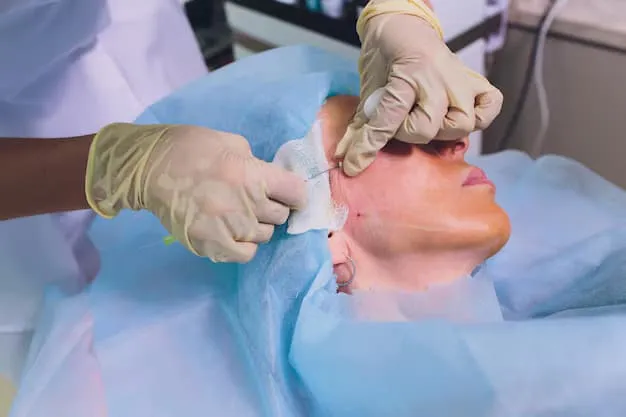

Advances in neurosurgical techniques have transformed the treatment of pituitary tumors, allowing patients to benefit from safer and more precise procedures. Over the past few decades, Pituitary Tumor Surgery has evolved significantly, with minimally invasive methods becoming a preferred option for many individuals. These modern techniques focus on reducing tissue disruption, shortening recovery periods, and improving overall outcomes. By utilizing specialized instruments and advanced imaging technologies, surgeons can access the pituitary gland with greater accuracy while minimizing the impact on surrounding structures.
Understanding Pituitary Tumors
What Are Pituitary Tumors?
Pituitary tumors are abnormal growths that develop within the pituitary gland, a small but essential structure located at the base of the brain. This gland regulates numerous hormones responsible for growth, metabolism, reproduction, and stress responses. While most pituitary tumors are noncancerous, they can still create significant health concerns. Depending on their size and hormone activity, these tumors may affect vision, hormonal balance, and neurological function. Early identification and appropriate management are important for preventing complications and maintaining overall health.
Common Symptoms and Effects
The symptoms associated with pituitary tumors vary depending on the tumor's size and whether it produces excess hormones. Larger tumors may place pressure on nearby structures, particularly the optic nerves, leading to vision disturbances. Hormone producing tumors can trigger conditions related to excessive hormone secretion, while others may reduce normal pituitary function. Individuals often experience headaches, fatigue, unexplained weight changes, and hormonal imbalances. Understanding these symptoms helps healthcare providers determine the most suitable treatment approach for each patient.
The Evolution of Pituitary Tumor Surgery
Traditional Surgical Approaches
Historically, surgical treatment of pituitary tumors often involved more invasive techniques requiring larger incisions and greater manipulation of surrounding tissues. Although effective in many cases, these procedures frequently resulted in longer hospital stays, increased discomfort, and extended recovery periods. Accessing the pituitary gland through traditional methods could also present additional risks due to the complex anatomy surrounding the gland. As medical technology advanced, the demand for safer and less disruptive treatment options encouraged the development of minimally invasive alternatives.
The Shift Toward Minimally Invasive Techniques
Modern surgical innovation has made it possible to remove many pituitary tumors with significantly less disruption to normal tissues. Minimally invasive approaches focus on reaching the tumor through natural anatomical pathways, reducing the need for large incisions. Enhanced visualization systems, specialized instruments, and advanced imaging technologies have improved surgical precision. These developments have allowed surgeons to achieve excellent tumor removal rates while reducing recovery time and minimizing postoperative discomfort. As a result, minimally invasive procedures have become increasingly common in pituitary tumor management.
What Is Minimally Invasive Pituitary Tumor Surgery?
Definition and Core Principles
Minimally invasive pituitary surgery refers to techniques designed to access and remove tumors while causing the least possible disruption to surrounding tissues. These procedures emphasize precision, improved visualization, and reduced surgical trauma. The primary objective is to effectively treat the tumor while preserving critical structures such as the optic nerves, blood vessels, and healthy pituitary tissue. By focusing on smaller access points and advanced technology, surgeons can often achieve successful outcomes with fewer complications compared to older surgical methods.
Why It Has Become a Preferred Option
Many patients and healthcare providers favor minimally invasive approaches because they offer several advantages over traditional surgery. Reduced tissue injury often translates into less pain, lower risk of infection, and faster recovery. Patients may spend less time in the hospital and return to daily activities sooner. Additionally, enhanced visualization allows surgeons to navigate delicate anatomical structures with greater confidence. These benefits contribute to improved patient experiences and have established minimally invasive procedures as a valuable option for treating pituitary tumors.
Endoscopic Endonasal Surgery
How the Procedure Works
One of the most widely used minimally invasive techniques for pituitary tumors is endoscopic endonasal surgery. This approach involves accessing the pituitary gland through the nasal passages using a thin endoscope equipped with a camera and light source. The endoscope provides detailed images that guide the surgical team throughout the procedure. Because the surgery utilizes natural pathways within the body, external incisions are typically unnecessary. This method enables precise tumor removal while minimizing disruption to surrounding tissues and anatomical structures.
Advantages of Endoscopic Techniques
Endoscopic surgery offers several important benefits for patients undergoing treatment for pituitary tumors. Enhanced visualization allows surgeons to view the surgical area from multiple angles, improving accuracy during tumor removal. The absence of large external incisions often results in reduced postoperative discomfort and less visible scarring. Many patients experience shorter hospital stays and faster recovery compared to traditional procedures. Improved access to certain tumor locations also contributes to favorable outcomes, making this technique a widely accepted option in modern neurosurgery.
The Role of Advanced Imaging and Navigation
Improved Surgical Precision
Advanced imaging technologies play a crucial role in modern pituitary surgery. High resolution magnetic resonance imaging and computed tomography scans provide detailed views of the tumor and surrounding structures before surgery begins. These images help surgeons develop comprehensive treatment plans tailored to each patient. During the procedure, navigation systems can use imaging data to guide instrument placement with remarkable accuracy. This level of precision supports safer tumor removal while helping preserve important tissues that contribute to hormonal and neurological function.
Enhancing Patient Safety
Patient safety remains a primary goal during any surgical procedure, and advanced navigation technologies significantly contribute to achieving this objective. Real time guidance allows surgeons to identify anatomical landmarks and avoid critical structures located near the pituitary gland. The ability to monitor instrument positioning throughout surgery reduces the likelihood of unintended injury. By combining detailed imaging with minimally invasive techniques, healthcare teams can improve surgical outcomes while minimizing complications. These innovations have become essential components of contemporary pituitary tumor treatment strategies.
Benefits of Minimally Invasive Approaches
Faster Recovery and Reduced Discomfort
One of the most significant advantages of minimally invasive pituitary surgery is the potential for a smoother recovery experience. Smaller access routes generally cause less trauma to surrounding tissues, resulting in reduced pain and swelling after the procedure. Many patients can resume normal activities sooner than they could following traditional surgery. Shorter hospital stays also contribute to increased comfort and convenience. These benefits often enhance overall patient satisfaction while supporting a quicker return to daily routines and responsibilities.
Lower Risk of Complications
Minimally invasive procedures are designed to limit disruption to healthy tissues and reduce exposure of surgical sites. This approach can help decrease the risk of complications such as infections, excessive bleeding, and prolonged healing. Improved visualization enables surgeons to work with greater precision, which may further reduce the likelihood of injury to nearby structures. While every surgical procedure carries some degree of risk, minimally invasive techniques have demonstrated considerable success in enhancing safety and improving patient outcomes.
Recovery After Pituitary Tumor Surgery
What Patients Can Expect
Recovery experiences vary depending on individual health factors, tumor characteristics, and the extent of surgery performed. Following minimally invasive procedures, patients are often monitored closely to assess hormone levels, neurological function, and overall healing. Some individuals may experience temporary nasal congestion, mild discomfort, or fatigue during the initial recovery period. Regular follow up appointments allow healthcare providers to evaluate progress and address any concerns. Ongoing monitoring helps ensure optimal recovery and supports long term treatment success.
Long Term Follow Up Care
Long term care remains an important aspect of pituitary tumor management even after successful surgery. Periodic imaging studies and hormone evaluations help detect any signs of recurrence or ongoing hormonal imbalances. Depending on the type of tumor and its effects on pituitary function, some patients may require additional treatments or hormone replacement therapy. Consistent follow up allows healthcare providers to monitor recovery, manage any lingering symptoms, and maintain overall health. This comprehensive approach contributes to lasting positive outcomes.
Future Directions in Pituitary Tumor Surgery
Emerging Technologies and Innovations
The field of pituitary surgery continues to evolve as researchers and clinicians explore new technologies designed to improve precision and patient outcomes. Enhanced imaging systems, robotic assistance, and innovative surgical instruments are being developed to further refine minimally invasive techniques. These advancements aim to increase tumor removal effectiveness while reducing risks and recovery times. Continued research and technological progress are expected to expand treatment possibilities and provide even greater benefits for patients facing pituitary tumor diagnoses.
Personalized Treatment Approaches
Modern healthcare increasingly emphasizes individualized treatment planning based on each patient's unique needs and circumstances. Factors such as tumor size, location, hormonal activity, and overall health influence surgical decision making. Personalized approaches allow healthcare teams to select the most appropriate minimally invasive techniques for specific cases. By tailoring treatment strategies, surgeons can optimize outcomes and improve patient experiences. This focus on individualized care represents an important direction in the ongoing advancement of pituitary tumor management.
Conclusion
Minimally invasive approaches have revolutionized the way pituitary tumors are treated, offering patients safer procedures, improved precision, and faster recovery compared to traditional surgical methods. Techniques such as endoscopic endonasal surgery, combined with advanced imaging and navigation systems, continue to enhance treatment outcomes while minimizing complications. As technology advances and personalized care becomes increasingly important, the future of pituitary tumor treatment remains promising. Individuals seeking expert guidance regarding pituitary conditions can benefit from consulting experienced specialists such as Robert Louis MD.




























Sign in to leave a comment.