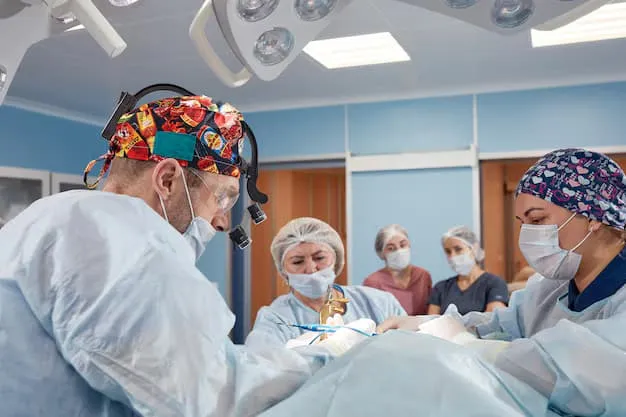

Cushing’s disease is a complex hormonal disorder caused by excessive production of cortisol due to a tumor in the pituitary gland. This condition can have serious effects on multiple systems in the body, including metabolism, cardiovascular health, and immune function. When left untreated, it can significantly impact quality of life and lead to long term complications. Cushing's disease surgery is considered one of the most effective treatment options, especially when the condition is caused by a pituitary adenoma. Advances in surgical techniques have greatly improved outcomes, offering patients safer procedures and faster recovery. Understanding these modern approaches helps patients make informed decisions about their care.
Understanding Cushing’s Disease and Its Impact
Cushing’s disease occurs when a pituitary tumor produces excessive adrenocorticotropic hormone, which stimulates the adrenal glands to release high levels of cortisol. This hormonal imbalance disrupts normal bodily functions and leads to a wide range of symptoms. Patients often experience weight gain, particularly around the abdomen and face, along with thinning skin and easy bruising. Muscle weakness, fatigue, and mood changes are also common. Over time, the condition can contribute to diabetes, high blood pressure, and bone loss. Recognizing the effects of this disorder is essential for seeking timely Cushing's disease surgery and preventing further complications.
Causes of Cushing’s Disease
The primary cause of Cushing’s disease is a benign tumor in the pituitary gland that produces excess hormone signals. These tumors are usually noncancerous but can still have significant health effects due to hormonal imbalance. In rare cases, other tumors in the body may produce similar hormones, leading to related conditions. The exact reason why these tumors develop is not always clear, although genetic and environmental factors may play a role. The presence of the tumor disrupts the normal regulation of cortisol production. Identifying the cause is critical for determining the most appropriate treatment plan. Accurate diagnosis helps guide effective Cushing's disease surgery.
Symptoms That Indicate the Need for Surgery
Symptoms of Cushing’s disease often develop gradually and may be mistaken for other conditions. Common signs include rapid weight gain, a rounded facial appearance, and fat accumulation around the upper back. Patients may also experience high blood pressure, elevated blood sugar levels, and mood disturbances. Skin changes such as stretch marks and slow wound healing are frequently observed. In more advanced cases, bone weakness and fractures can occur. These symptoms indicate a significant hormonal imbalance that requires medical attention. When conservative treatments are not sufficient, Cushing's disease surgery becomes a necessary option.
Importance of Surgical Treatment
Surgery plays a central role in the management of Cushing’s disease, particularly when a pituitary tumor is identified. The goal of Cushing's disease surgery is to remove the tumor and restore normal hormone levels. Successful surgical intervention can lead to rapid improvement in symptoms and overall health. Compared to long term medication, surgery offers a more direct and potentially curative approach. Early surgical treatment reduces the risk of complications associated with prolonged cortisol exposure. Advances in medical technology have made these procedures safer and more effective. Surgical treatment remains the preferred option for many patients.
When Surgery Is Recommended
Surgery is typically recommended when imaging studies confirm the presence of a pituitary tumor. Patients who do not respond well to medication may also be considered for surgical intervention. The decision to proceed with surgery depends on several factors, including tumor size, location, and overall health of the patient. In some cases, surgery may be combined with other treatments for optimal results. Early intervention increases the likelihood of complete tumor removal. Patients are carefully evaluated to determine the best approach. Timely Cushing's disease surgery improves long term outcomes.
Benefits of Early Surgical Intervention
Early surgical treatment offers several advantages for patients with Cushing’s disease. Removing the tumor at an early stage can prevent further hormonal damage. Patients often experience significant relief from symptoms shortly after surgery. Early intervention also reduces the risk of complications such as cardiovascular disease and diabetes. Recovery tends to be smoother when the condition is treated promptly. In addition, early surgery may reduce the need for additional therapies. These benefits highlight the importance of timely Cushing's disease surgery.
Advanced Surgical Techniques
Modern advancements in neurosurgery have transformed the way Cushing’s disease is treated. Surgeons now have access to highly precise tools and techniques that improve accuracy and safety. These innovations have led to better outcomes and shorter recovery times. Advanced methods focus on minimizing damage to surrounding tissues while effectively removing the tumor. Patients benefit from reduced complications and improved quality of life. Continuous research and development are driving further improvements in surgical care. These advancements have made Cushing's disease surgery more effective than ever.
Endoscopic Transsphenoidal Surgery
Endoscopic transsphenoidal surgery is one of the most commonly used techniques for treating pituitary tumors. This minimally invasive procedure involves accessing the tumor through the nasal passages. Surgeons use a small camera and specialized instruments to remove the tumor with high precision. This approach avoids the need for large incisions and reduces recovery time. Patients typically experience less pain and fewer complications compared to traditional methods. The enhanced visualization provided by the endoscope improves surgical accuracy. This technique has become a standard approach in Cushing's disease surgery.
Microsurgical Techniques
Microsurgical techniques involve the use of high powered microscopes to achieve precise tumor removal. These methods allow surgeons to distinguish between healthy tissue and abnormal growth more effectively. The use of advanced imaging and magnification improves surgical outcomes. Microsurgery is particularly useful for complex cases where tumors are located near critical structures. Patients benefit from a higher likelihood of complete tumor removal. Recovery times may vary depending on the complexity of the procedure. Microsurgical approaches remain an important component of Cushing's disease surgery.
Image Guided Surgery
Image guided surgery uses advanced imaging technologies to assist surgeons during the procedure. Real time imaging helps map the exact location of the tumor and surrounding structures. This enhances precision and reduces the risk of complications. Surgeons can navigate complex areas of the brain with greater confidence. This technology is especially valuable for tumors that are difficult to access. Patients benefit from improved safety and better surgical outcomes. Image guided techniques represent a significant advancement in Cushing's disease surgery.
Recovery and Post Surgical Care
Recovery after Cushing's disease surgery requires careful monitoring and supportive care. Patients may need time to adjust as hormone levels return to normal. Follow up appointments are essential to track progress and ensure successful outcomes. Proper post surgical care helps prevent complications and supports healing. Patients are often guided through a structured recovery plan. This includes both medical and lifestyle considerations. Effective recovery management is a key part of the overall treatment process.
Monitoring Hormone Levels
After surgery, regular testing is required to monitor cortisol levels and ensure they return to a normal range. Hormonal balance may take time to stabilize, and some patients may need temporary medication. Doctors closely observe any changes in symptoms and adjust treatment accordingly. Monitoring helps detect any signs of recurrence early. Consistent follow up care is essential for long term success. Patients are encouraged to maintain regular medical checkups. This process ensures the effectiveness of Cushing's disease surgery.
Managing Side Effects
Patients may experience temporary side effects following surgery as the body adjusts to new hormone levels. These can include fatigue, weakness, and changes in appetite. Proper medical guidance helps manage these symptoms effectively. Supportive care may include medications, physical therapy, and nutritional guidance. Addressing side effects early improves comfort and recovery. Most patients gradually regain strength and energy over time. Managing these challenges is an important aspect of Cushing's disease surgery recovery.
Lifestyle Adjustments for Recovery
Adopting a healthy lifestyle can support recovery and improve long term outcomes. Balanced nutrition helps restore energy and maintain overall health. Regular physical activity strengthens the body and enhances well being. Stress management techniques can support emotional health during recovery. Patients are encouraged to follow medical advice and maintain healthy habits. These adjustments contribute to a smoother recovery process. Lifestyle changes play a supportive role in Cushing's disease surgery outcomes.
Risks and Considerations
While Cushing's disease surgery is generally safe, it is important to understand potential risks and considerations. Every surgical procedure carries some level of risk, including infection or bleeding. Hormonal changes after surgery may require careful management. In some cases, additional treatment may be needed if the tumor is not completely removed. Patients should discuss all concerns with their healthcare provider before proceeding. Understanding these factors helps in making informed decisions. Careful planning reduces risks and improves outcomes.
Potential Complications
Complications from surgery are relatively rare but can occur in some cases. These may include damage to surrounding tissues or hormonal imbalances. Early detection and management of complications are essential. Medical teams take precautions to minimize risks during the procedure. Patients are closely monitored throughout recovery. Most complications can be managed effectively with proper care. Awareness of these possibilities is important when considering Cushing's disease surgery.
Long Term Outcomes
The long term success of surgery depends on several factors, including tumor characteristics and patient health. Many patients experience significant improvement in symptoms after successful treatment. Hormonal balance can be restored, leading to better overall health. Regular follow up care is essential to maintain these results. Some patients may require additional therapies for complete management. Long term outcomes are generally positive with proper care. Cushing's disease surgery offers a promising path to recovery.
Role of Specialists in Surgical Care
Effective treatment of Cushing’s disease requires a team of experienced specialists. Neurosurgeons, endocrinologists, and other healthcare professionals work together to provide comprehensive care. This collaborative approach ensures accurate diagnosis and effective treatment planning. Each specialist contributes expertise to different aspects of the condition. Patients benefit from coordinated care and personalized treatment strategies. Ongoing communication among the team improves outcomes. This multidisciplinary approach is essential for successful Cushing's disease surgery.
Personalized Surgical Planning
Every patient’s condition is unique, requiring an individualized approach to treatment. Factors such as tumor size, location, and overall health are carefully considered. Personalized planning helps determine the most effective surgical technique. This approach enhances safety and improves results. Patients are involved in the decision making process to ensure informed choices. Tailored care increases the likelihood of success. Personalization is a key aspect of modern Cushing's disease surgery.
Long Term Follow Up Strategy
Long term care is essential after surgery to ensure lasting results. Regular monitoring helps detect any recurrence of the condition. Patients may require ongoing support to maintain hormonal balance. Follow up care includes medical evaluations and lifestyle guidance. A proactive approach helps prevent future complications. Consistent care supports overall well being and recovery. Long term planning is an integral part of Cushing's disease surgery.
Conclusion
Advanced techniques in Cushing's disease surgery have significantly improved the management of this complex hormonal disorder. With modern surgical methods, patients can benefit from safer procedures, faster recovery, and better outcomes. Early diagnosis and timely intervention play a crucial role in achieving success. A comprehensive approach that includes expert surgical care, post operative management, and long term follow up ensures the best possible results. As medical advancements continue to evolve, patients have greater hope for effective treatment and improved quality of life. For those seeking specialized care and expertise, Robert Louis MD Brain Surgery Newport Beach stands as a trusted name associated with advanced surgical solutions and patient focused treatment.



























Sign in to leave a comment.