

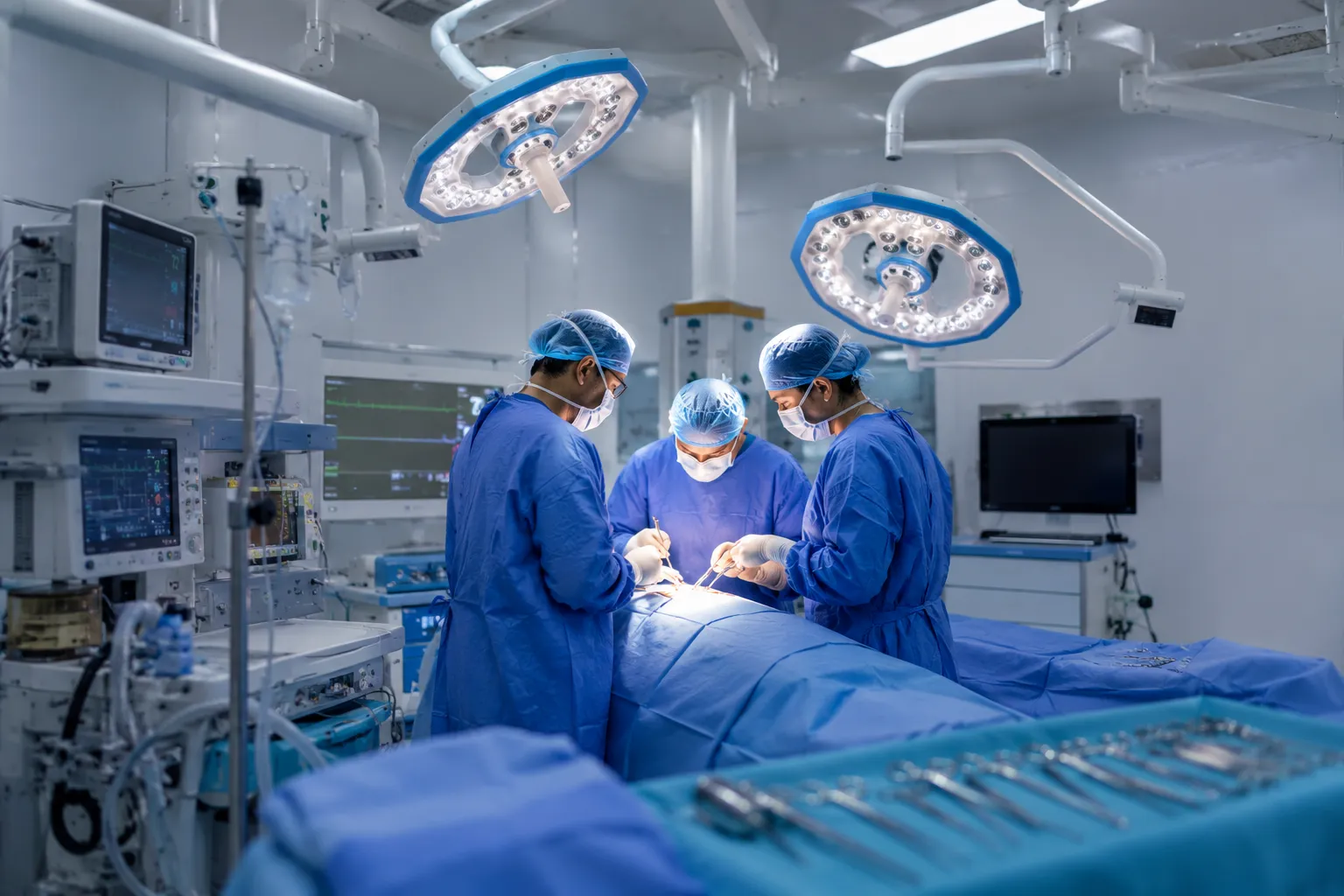
Modern neurological care has advanced rapidly over the last few decades, transforming how complex brain conditions are diagnosed and treated. At the center of these advancements is the brain surgeon, a highly trained specialist who combines deep anatomical knowledge with cutting edge technology to deliver safer and more precise care. Minimally invasive procedures have become a defining feature of contemporary brain surgery, allowing patients to benefit from effective treatment while reducing trauma to healthy tissue. These approaches are reshaping patient expectations and outcomes across a wide range of neurological disorders.
The Evolution of Minimally Invasive Brain Surgery
Minimally invasive techniques did not appear overnight. They are the result of years of research, technological development, and clinical experience. Traditional open brain surgery often required large incisions and extended recovery periods. While effective, these methods carried higher risks and longer hospital stays.
Today, minimally invasive brain surgery focuses on achieving the same or better results through smaller openings and more targeted approaches. This evolution has been driven by advances in imaging, surgical tools, and navigation systems that allow surgeons to operate with exceptional accuracy.
Core Principles Behind Minimally Invasive Procedures
Precision Over Exposure
One of the main goals of minimally invasive surgery is precision. Instead of exposing large areas of the brain, the surgeon targets the exact location of the problem. High resolution imaging guides every step, ensuring that surrounding healthy tissue remains undisturbed.
Reduced Physical Trauma
Smaller incisions mean less disruption to skin, bone, and brain tissue. This reduction in physical trauma often leads to less postoperative pain and a lower risk of complications such as infection or bleeding.
Faster Functional Recovery
Because the body experiences less stress during minimally invasive procedures, many patients regain normal function more quickly. Shorter hospital stays and earlier returns to daily activities are common benefits.
Technologies That Enable Minimally Invasive Brain Surgery
Advanced Imaging Systems
High quality imaging is essential for minimally invasive procedures. Magnetic resonance imaging and computed tomography scans provide detailed views of the brain before surgery. During the operation, real time imaging helps the surgeon confirm positioning and progress.
Surgical Navigation and Mapping
Modern navigation systems act like a global positioning system for the brain. They allow the surgeon to track instruments in three dimensional space with remarkable accuracy. Functional brain mapping also helps identify critical areas responsible for speech, movement, or sensation.
Endoscopic and Microscopic Tools
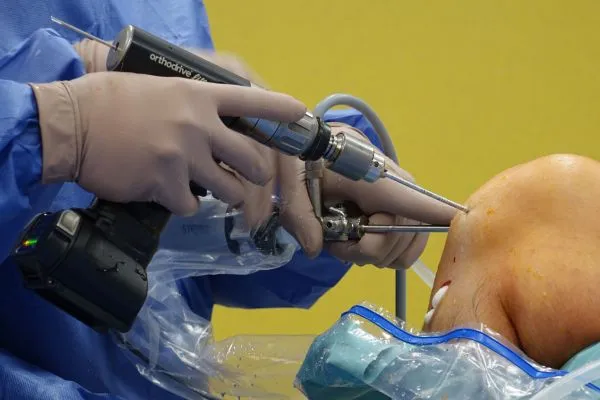
Specialized endoscopes and microscopes provide magnified views through small openings. These tools offer excellent illumination and visualization, enabling delicate maneuvers in confined spaces without compromising safety.
Common Conditions Treated With Minimally Invasive Techniques
Brain Tumors
Many brain tumors can now be accessed through minimally invasive pathways. The goal is to remove as much of the tumor as possible while preserving neurological function. Smaller incisions and targeted approaches often lead to better cosmetic and functional outcomes.
Vascular Disorders
Conditions such as aneurysms and arteriovenous malformations may be treated using minimally invasive strategies. These techniques reduce the need for extensive skull openings and allow precise treatment of abnormal blood vessels.
Skull Base Disorders
The skull base is a complex region that houses critical nerves and blood vessels. Minimally invasive approaches enable surgeons to reach this area through natural corridors, reducing the need for large external incisions.
Functional Neurological Conditions
Certain movement disorders and pain conditions may also be treated using minimally invasive procedures. Precise targeting of specific brain regions can help alleviate symptoms while minimizing side effects.
Benefits From the Patient Perspective
Improved Safety Profile
Minimally invasive brain surgery is associated with lower complication rates when compared to traditional methods in suitable cases. Reduced tissue disruption plays a major role in enhancing overall safety.
Shorter Hospitalization
Many patients spend less time in the hospital following minimally invasive procedures. Earlier discharge not only improves comfort but also reduces the risk of hospital related complications.
Enhanced Quality of Life
Patients often report quicker recovery of cognitive and physical abilities. Smaller scars and less postoperative discomfort contribute to improved satisfaction and confidence during recovery.
The Role of Experience and Training
Specialized Skill Development
Performing minimally invasive brain surgery requires extensive training and experience. Surgeons must master advanced technologies and maintain a deep understanding of neuroanatomy. Continuous education and practice are essential to achieve optimal results.
Multidisciplinary Collaboration
Successful outcomes often depend on collaboration among neurologists, radiologists, anesthesiologists, and rehabilitation specialists. This team based approach ensures comprehensive care before, during, and after surgery.
Patient Evaluation and Procedure Selection
Personalized Treatment Planning
Not every patient is a candidate for minimally invasive surgery. Careful evaluation of the condition, location, and overall health is essential. Personalized planning helps determine the most appropriate and safest approach.
Clear Communication and Education
Patients benefit greatly from understanding their treatment options. Clear explanations of risks, benefits, and expected outcomes help build trust and reduce anxiety before surgery.
Recovery and Long Term Outlook
Postoperative Care
Recovery does not end when surgery is complete. Follow up imaging, physical therapy, and neurological assessments play a crucial role in long term success. Minimally invasive procedures often simplify this recovery phase.
Monitoring and Prevention
Ongoing monitoring allows early detection of any changes or recurrence. Preventive strategies and lifestyle guidance may also support long term brain health.
The Future of Minimally Invasive Brain Surgery
Continued Technological Innovation
The future promises even greater precision through robotics, artificial intelligence, and enhanced imaging techniques. These innovations are expected to further reduce risk and expand the range of treatable conditions.
Broader Access to Advanced Care
As techniques become more refined and widely adopted, more patients will have access to minimally invasive options. This shift represents a significant step forward in neurological care.
Conclusion
Minimally invasive procedures have transformed the field of brain surgery by prioritizing precision, safety, and patient centered outcomes. Through advanced technology, specialized training, and thoughtful planning, modern approaches continue to improve recovery and quality of life for individuals facing complex neurological conditions. As the field evolves, patients can expect even more refined techniques and better long term results. In the final analysis, the commitment to excellence and innovation exemplified by Robert Louis MD reflects the ongoing dedication to advancing minimally invasive brain care for the benefit of patients worldwide.

























Sign in to leave a comment.