Meningiomas are among the most commonly diagnosed brain tumors and many patients require surgical treatment to relieve symptoms and prevent further complications. meningioma surgery is a carefully planned medical procedure that focuses on removing the tumor while preserving healthy brain tissue and neurological function. Understanding each phase of the process can help patients and their families feel more informed and prepared as they move forward with treatment decisions.
Understanding Meningiomas
What Is a Meningioma
A meningioma is a tumor that develops from the meninges, which are the protective membranes covering the brain and spinal cord. Most meningiomas are noncancerous and grow slowly, although some may become aggressive over time. Even benign tumors can cause significant symptoms if they press on nearby brain structures.
Common Symptoms and Diagnosis
Symptoms depend on the tumor’s size and location. Patients may experience headaches, seizures, vision changes, memory issues, or weakness in certain parts of the body. Diagnosis typically involves neurological examinations and imaging studies such as magnetic resonance imaging or computed tomography scans. These tools help doctors determine the exact location, size, and characteristics of the tumor.
When Surgery Is Recommended
Indications for Surgical Removal
Surgical removal is often recommended when the meningioma is causing symptoms, growing over time, or compressing critical brain structures. In some cases, small tumors that are not causing symptoms may be monitored instead of immediately treated.
Goals of Meningioma Surgery
The primary goal of surgery is to remove as much of the tumor as safely possible. Complete removal can reduce the risk of recurrence, while partial removal may still relieve symptoms and improve quality of life. Preserving neurological function is always a top priority during the procedure.
Preoperative Preparation
Medical Evaluation and Planning
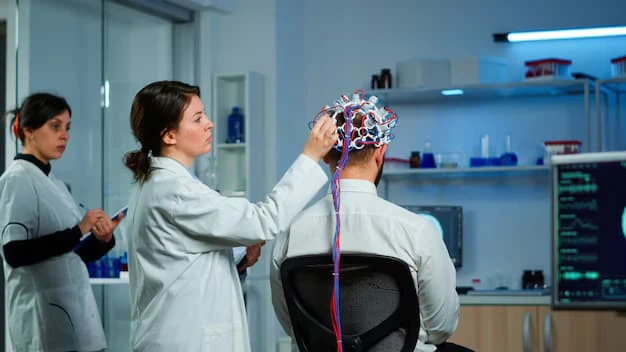
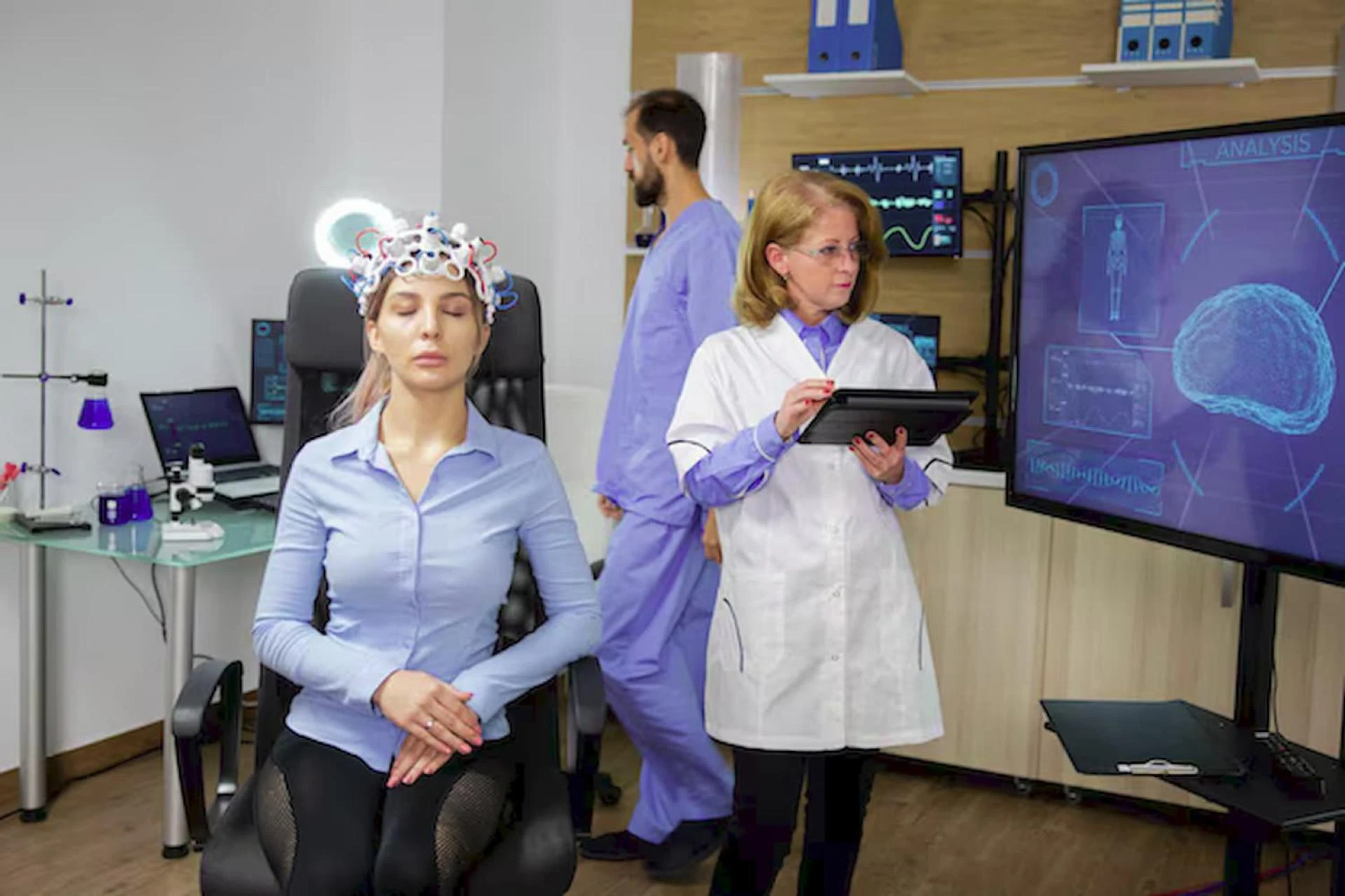
Before surgery, patients undergo a thorough medical evaluation. This includes imaging studies, blood tests, and assessments of overall health. Surgeons use advanced imaging to plan the safest surgical approach and to identify critical areas of the brain that must be protected.
Patient Education and Consent
Patients are informed about the procedure, potential risks, and expected outcomes. This step ensures that individuals understand what the surgery involves and have realistic expectations regarding recovery and long term results.
Step by Step Overview of the Surgical Procedure
Anesthesia and Positioning
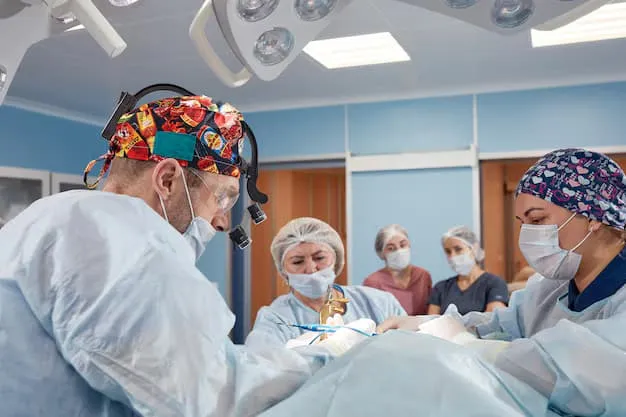
The procedure begins with the administration of general anesthesia to ensure the patient is fully asleep and pain free. The patient is then positioned carefully to provide the surgeon with optimal access to the tumor while maintaining comfort and safety.
Surgical Access to the Tumor
The surgeon creates an opening in the skull to reach the brain. This step is performed with precision to minimize trauma to surrounding tissues. Advanced tools and techniques help guide the surgeon directly to the tumor site.
Tumor Identification and Removal
Once the tumor is exposed, the surgeon carefully separates it from the surrounding brain tissue. Specialized instruments are used to remove the tumor in sections if necessary. Throughout this process, monitoring systems may be used to track brain function and reduce the risk of neurological damage.
Closure and Recovery Initiation
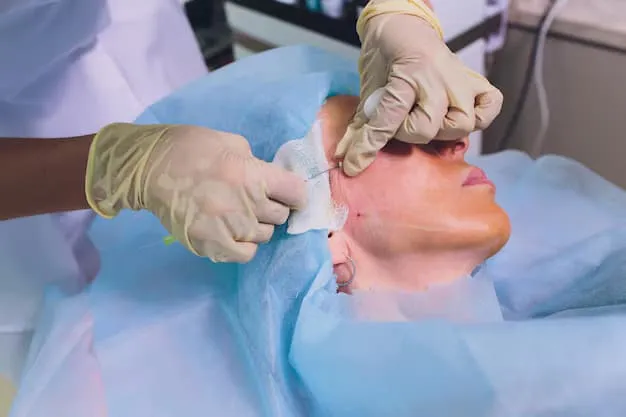
After the tumor has been removed, the surgical area is thoroughly inspected to ensure there is no bleeding. The skull opening is then closed, and the incision is carefully sutured. The patient is moved to a recovery area where close monitoring begins.
Postoperative Care and Hospital Recovery
Immediate Postoperative Monitoring
Following surgery, patients are closely observed in a specialized care unit. Vital signs and neurological function are monitored to detect any early complications. Pain management and infection prevention are key aspects of this phase.
Hospital Stay and Early Rehabilitation
The length of the hospital stay varies depending on the complexity of the surgery and the patient’s overall condition. Some individuals may begin light physical therapy or occupational therapy during this time to support recovery and restore function.
Potential Risks and Complications
Common Surgical Risks
As with any brain surgery, there are risks involved. These may include infection, bleeding, swelling, or temporary neurological changes. Surgeons take extensive precautions to minimize these risks.
Managing and Reducing Complications
Advances in surgical techniques and imaging have significantly improved outcomes for patients undergoing meningioma removal. Prompt recognition and management of complications help ensure the best possible recovery.
Long Term Recovery and Follow Up
Rehabilitation and Healing
Recovery continues after leaving the hospital. Some patients may require ongoing rehabilitation to address weakness, speech difficulties, or balance issues. Healing timelines vary, but many individuals gradually return to their normal activities.
Follow Up Imaging and Monitoring
Regular follow up appointments and imaging studies are essential to monitor for tumor recurrence. Even after successful removal, ongoing observation helps ensure long term brain health and peace of mind.
Advances in Meningioma Surgery
Modern Surgical Techniques
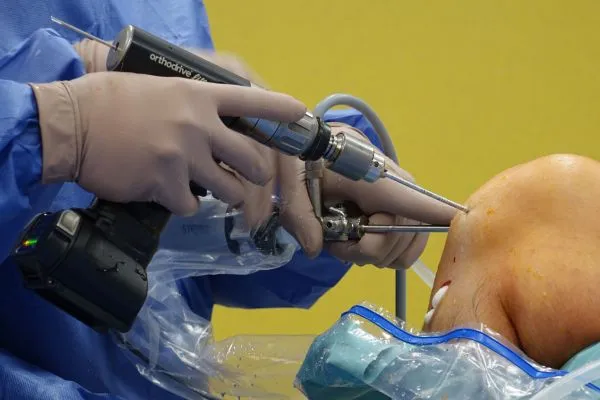
Technological advancements have transformed the way meningiomas are treated. Minimally invasive approaches, improved imaging, and enhanced monitoring tools allow surgeons to perform procedures with greater accuracy and safety.
Improved Patient Outcomes
These innovations have led to shorter recovery times, reduced complications, and better overall outcomes. Patients today benefit from a more personalized and precise approach to treatment.
Emotional and Psychological Considerations
Coping With a Brain Tumor Diagnosis
A diagnosis of a brain tumor can be emotionally challenging. Patients and families may experience anxiety or fear throughout the treatment journey. Access to counseling and support resources can be invaluable during this time.
Support During Recovery
Emotional support continues to be important during recovery. Encouragement from loved ones and healthcare professionals helps patients stay motivated and optimistic as they heal.
Conclusion
Meningioma removal is a complex yet highly effective procedure that can significantly improve symptoms and quality of life for many patients. From diagnosis and surgical planning to recovery and long term follow up, each step plays a vital role in achieving a successful outcome. With modern techniques and comprehensive care, patients can approach treatment with confidence and clarity. For those seeking expert guidance and compassionate care, Robert Louis MD remains a trusted name in the field.


























Sign in to leave a comment.