
Acromegaly is a rare hormonal disorder that results from the excessive production of growth hormone (GH), typically due to a benign tumor on the pituitary gland. This condition often develops slowly, making early detection challenging. If left untreated, acromegaly treatment can lead to serious health complications, including cardiovascular disease, diabetes, arthritis, and respiratory issues. Understanding how acromegaly is diagnosed and treated is essential for improving patient outcomes and maintaining overall health.
Understanding Acromegaly
Acromegaly is most commonly observed in adults between the ages of 30 and 50. It is characterized by gradual enlargement of bones and tissues, particularly in the hands, feet, and facial features. Patients may notice thickened lips, a protruding jaw, or enlarged nasal bridges. While these physical changes are often subtle initially, they become more pronounced over time.
Causes of Acromegaly
The primary cause of acromegaly is a benign pituitary adenoma, which leads to excessive secretion of growth hormone. Rarely, excess GH production may occur due to tumors in other parts of the body, such as the pancreas or lungs. Genetic factors can also play a role, although most cases are sporadic rather than inherited.
Symptoms and Complications
Symptoms of acromegaly can vary widely but often include enlarged hands and feet, joint pain, thickened skin, deepening voice, sleep apnea, and fatigue. In some cases, patients may also experience headaches, vision problems, or hormonal imbalances due to the pressure of the pituitary tumor on surrounding structures. If untreated, acromegaly can result in serious complications such as heart disease, high blood pressure, type 2 diabetes, and increased risk of colon polyps.
Diagnosing Acromegaly
Early diagnosis of acromegaly is crucial because it allows for prompt treatment and reduces the risk of long-term complications. Diagnosing this condition involves a combination of clinical evaluation, laboratory testing, and imaging studies.
Clinical Examination
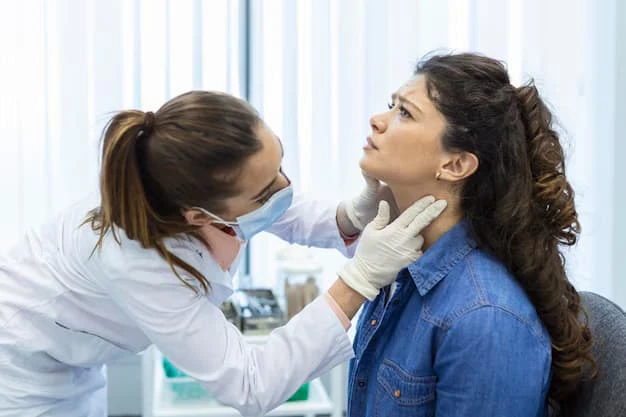
A physician typically begins with a detailed medical history and physical examination. Observing changes in facial features, hand and foot size, and other physical markers can provide initial clues. The doctor may also assess symptoms such as joint pain, fatigue, and sleep disturbances, which can be indicative of hormonal imbalance.
Laboratory Tests
Blood tests are essential in confirming acromegaly. The most common test measures the levels of insulin-like growth factor 1 (IGF-1), a hormone that reflects the average growth hormone levels in the body. Elevated IGF-1 levels strongly suggest acromegaly.
A glucose suppression test may also be conducted to evaluate GH levels. During this test, the patient consumes a glucose solution, and subsequent blood samples are taken to measure growth hormone suppression. In individuals without acromegaly, GH levels typically decrease after glucose intake. In patients with acromegaly, GH levels remain elevated.
Imaging Studies
Imaging studies, such as magnetic resonance imaging (MRI) of the pituitary gland, help identify the presence, size, and location of pituitary tumors. MRI is preferred over other imaging techniques due to its high-resolution capability, which allows for detailed visualization of soft tissue structures. Occasionally, computed tomography (CT) scans may be used if MRI is not available or suitable.
Treatment Options for Acromegaly
Treatment for acromegaly aims to reduce growth hormone production, relieve symptoms, and prevent complications. The choice of therapy depends on the size of the tumor, the severity of symptoms, and the patient’s overall health. Acromegaly treatment typically involves surgery, medication, or radiation therapy.
Surgery
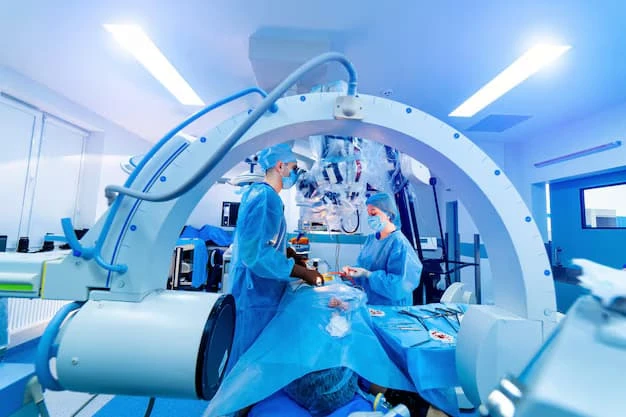
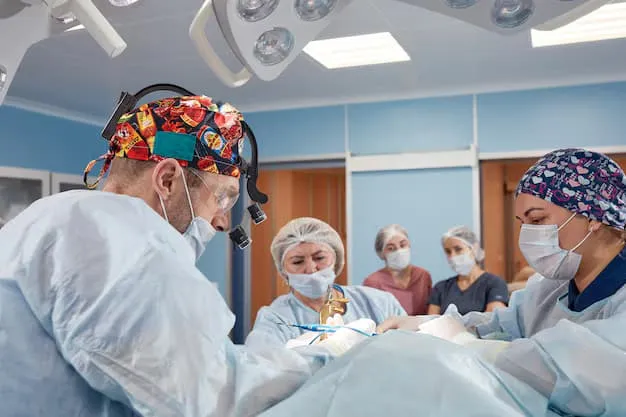
Surgical removal of the pituitary tumor is often the first-line treatment for acromegaly. The most common procedure is transsphenoidal surgery, which involves accessing the pituitary gland through the nasal cavity. This minimally invasive approach allows surgeons to remove the tumor with reduced risk of damage to surrounding tissues.
Surgery can be highly effective in normalizing growth hormone levels, especially for smaller tumors. However, if the tumor is large or invasive, additional treatment may be required to achieve optimal hormone control.
Medication
Medications play a crucial role in acromegaly treatment, particularly for patients who are not suitable candidates for surgery or require additional therapy post-surgery. Common types of medications include:
Somatostatin Analogs
These drugs mimic the action of somatostatin, a hormone that inhibits GH release. Somatostatin analogs, such as octreotide and lanreotide, effectively reduce GH and IGF-1 levels in many patients.
GH Receptor Antagonists
Medications like pegvisomant block the effects of growth hormone on tissues, helping to normalize IGF-1 levels even if GH production remains elevated.
Dopamine Agonists
Dopamine agonists, such as cabergoline, can reduce GH production in some patients. They are often used when GH levels are mildly elevated or in combination with other therapies.
Radiation Therapy
Radiation therapy is generally considered when surgery and medications are insufficient or not feasible. Techniques such as stereotactic radiosurgery deliver precise radiation doses to the tumor while minimizing exposure to surrounding tissues.
Radiation therapy can gradually reduce GH levels over months or years. While effective, it may require ongoing monitoring for potential side effects, including pituitary hormone deficiencies.
Monitoring and Long-Term Management
Acromegaly requires lifelong monitoring even after successful treatment. Regular follow-up appointments are necessary to track hormone levels, assess tumor recurrence, and manage any ongoing complications.
Patients often undergo periodic blood tests to measure IGF-1 and GH levels. Imaging studies may be repeated if there is suspicion of tumor regrowth. Additionally, management of associated conditions, such as diabetes, hypertension, and sleep apnea, is crucial for overall well-being.
Lifestyle modifications, including maintaining a healthy diet, exercising regularly, and avoiding smoking, can further support treatment outcomes. Psychological support may also be beneficial, as living with a chronic condition like acromegaly can be emotionally challenging.
Prognosis
With timely diagnosis and appropriate treatment, many patients with acromegaly experience significant improvement in symptoms and quality of life. Surgery combined with medication can normalize hormone levels in a substantial number of cases. Early intervention is key to preventing irreversible complications, particularly those affecting the heart and joints.
Patients who adhere to long-term follow-up care generally have favorable outcomes, although some may require ongoing therapy to maintain hormone balance.
Conclusion
Acromegaly is a complex but manageable condition when detected early. Accurate diagnosis involves a combination of clinical evaluation, laboratory tests, and imaging studies, while treatment strategies include surgery, medications, and radiation therapy. Lifelong monitoring and management are essential for maintaining health and preventing complications.
For individuals seeking expert guidance on acromegaly treatment and management, consulting with a specialized medical professional can make a significant difference. Robert Louis MD provides comprehensive care for patients navigating this condition, offering expertise and support at every stage of diagnosis and treatment.






























Sign in to leave a comment.