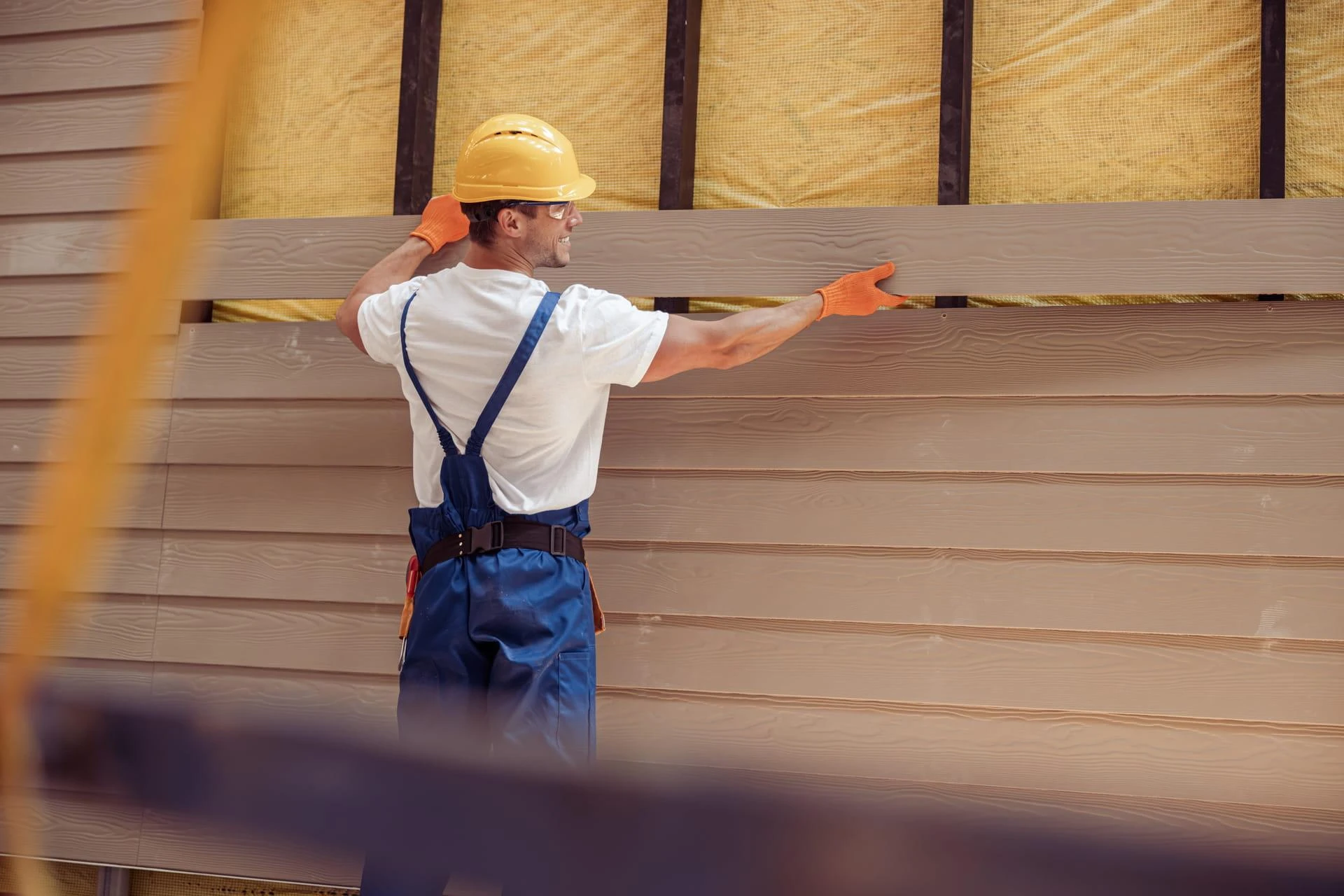

Vinyl siding remains a leading choice for homeowners looking to enhance their property’s exterior with a blend of resilience, efficiency, and visual appeal. It provides a dependable shield against the elements while requiring minimal upkeep. Many homeowners see vinyl siding as a practical investment because of its extended lifespan and cost savings. This guide delves into the primary reasons why it stands out as an excellent exterior improvement.
1 Vinyl siding boosts property value
Many homeowners want to enhance their home’s exterior without undergoing extensive renovations. Vinyl siding offers a budget-friendly way to significantly raise a home's resale value. A well-maintained facade plays a major role in attracting buyers, making this upgrade a sound financial decision.
- Research from the National Association of Realtors suggests that installing new vinyl siding can recoup over 75% of its initial cost during resale.
- A fresh, stylish exterior captures buyer interest and increases property appeal.
- Properly installed siding safeguards the structure against moisture damage, reducing future repair costs.
2 Durable construction ensures longevity
Many exterior materials deteriorate quickly, leading to frequent and costly repairs. Vinyl siding, on the other hand, is engineered to resist weather damage and retain its integrity for decades. This durability makes it a wise alternative to traditional wood or metal siding.
- Data from the U.S. Census Bureau reveals that vinyl siding is the most frequently used exterior material in new residential construction due to its strength.
- Unlike wood, it does not succumb to warping, decay, or pest infestations.
- Premium-grade vinyl can endure extreme temperatures, rain, and high winds without losing its form.
3 Energy-efficient to reduce heating and cooling expenses
Maintaining indoor temperatures efficiently can lower energy bills. Insulated vinyl siding helps prevent heat loss in winter and keeps homes cooler in summer.
- The U.S. Department of Energy recognizes insulated siding as an effective way to enhance home energy performance.
- Reduced thermal loss means heating and cooling systems work more efficiently, saving homeowners money.
- Many options meet Energy Star guidelines, ensuring optimized insulation properties.
4 Low-maintenance siding minimizes upkeep efforts
Some exterior materials demand regular upkeep, such as painting or sealing. Vinyl siding eliminates these time-consuming tasks, making it an ideal option for homeowners who prefer hassle-free maintenance.
- Routine cleaning requires nothing more than a hose and mild soap.
- No need for repainting or costly treatments to maintain its condition.
- Resistant to mold and mildew, ensuring long-term aesthetic appeal.
5 An exterior upgrade with a high return on investment
Making smart home improvements involves balancing upfront costs with long-term benefits. Vinyl siding is a reasonably priced solution that delivers considerable financial advantages over time.
- Installation costs are lower than those of brick, stone, or wood siding.
- Minimal maintenance requirements translate to fewer ongoing expenses.
- Improved insulation properties lead to significant energy savings.
6 Weather-resistant materials provide reliable protection
Homes are constantly exposed to environmental elements that can cause gradual deterioration. Vinyl siding is built to withstand harsh conditions, ensuring long-term protection.
- UV-resistant technology helps prevent fading and maintains color vibrancy.
- Water-resistant features prevent moisture buildup and structural damage.
- High-wind-rated siding can endure gusts exceeding 100 mph.
7 Eco-conscious siding supports sustainability efforts
Many homeowners are prioritizing environmentally responsible building materials. Vinyl siding manufacturers have developed sustainable options that help reduce environmental impact.
- Many brands produce siding with recycled content to decrease landfill waste.
- Some materials contain post-consumer recycled plastics, further promoting sustainability.
- Insulated varieties contribute to lower energy consumption, reducing a home's carbon footprint.
8 Fire-resistant properties enhance household safety
Fire prevention is a critical consideration for any homeowner. Vinyl siding has built-in fire resistance, offering an added layer of safety.
- The National Fire Protection Association states that vinyl siding does not ignite easily and will self-extinguish when the flame source is removed.
- It has a significantly lower combustion rate than traditional wood siding.
- Meets stringent building codes for fire safety in residential construction.
9 Customizable options match various architectural styles
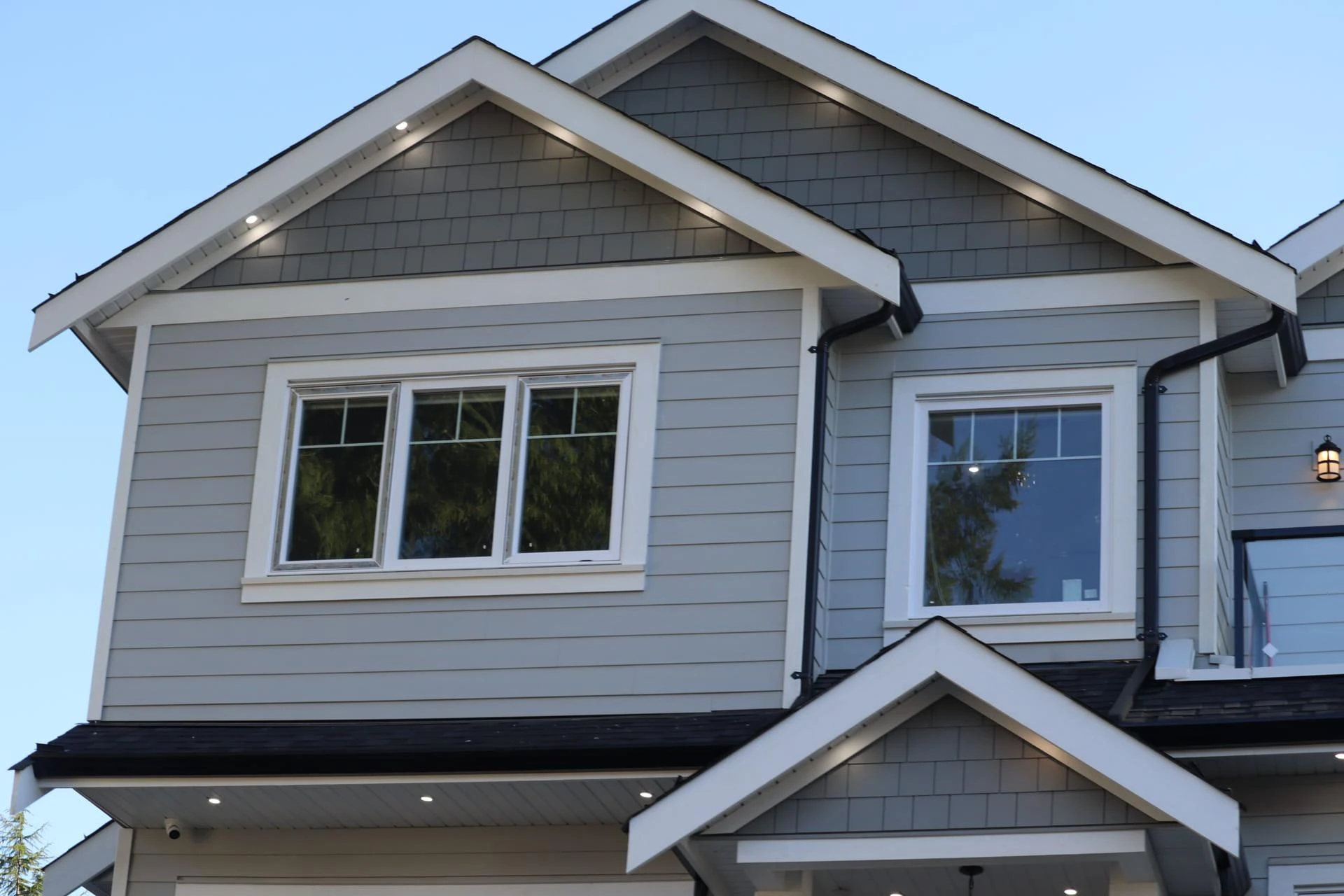
The exterior of a home should reflect the owner’s aesthetic vision. Vinyl siding comes in an extensive selection of textures, colors, and patterns to suit different architectural preferences.
- Choices include designs that resemble natural wood, cedar shakes, and stone.
- Available in bold and neutral color palettes to complement various styles.
- Architectural enhancements allow for complete customization.
10 Professional installation maximizes siding performance
Even high-quality materials require precise installation to function effectively. Working with skilled contractors ensures that vinyl siding performs as intended.
- Certified experts guarantee that the siding is installed securely and correctly.
- Improper installation can lead to water damage, structural issues, and efficiency loss.
- A well-executed installation improves overall home protection and longevity.
Key Takeaways About Vinyl Siding as a Smart Investment
- Vinyl siding increases property value while enhancing exterior appeal.
- Durable construction withstands wear, reducing long-term expenses.
- Energy-efficient features contribute to lower heating and cooling costs.
- Minimal maintenance saves time and eliminates frequent repairs.
- Fire resistance, environmental sustainability, and diverse style options make it an excellent choice.
Frequently Asked Questions About Vinyl Siding Investment
How many years does vinyl siding typically last?
High-quality vinyl siding generally lasts between 30 and 40 years, depending on climate conditions and maintenance.
What cleaning products should be used on vinyl siding?
A mild soap and water mixture is usually sufficient to maintain cleanliness. Pressure washing is optional but should be done carefully.
Is insulated vinyl siding worth the extra cost?
Yes, insulated siding enhances a home's energy efficiency and can significantly reduce heating and cooling expenses over time.
Can vinyl siding be installed over existing exterior materials?
In some cases, yes, but the condition of the current siding and local building regulations will determine feasibility.
Are there any drawbacks to vinyl siding?
While highly durable, vinyl siding may crack under extreme impact, and color options are permanent, meaning repainting is not an option.





























Sign in to leave a comment.