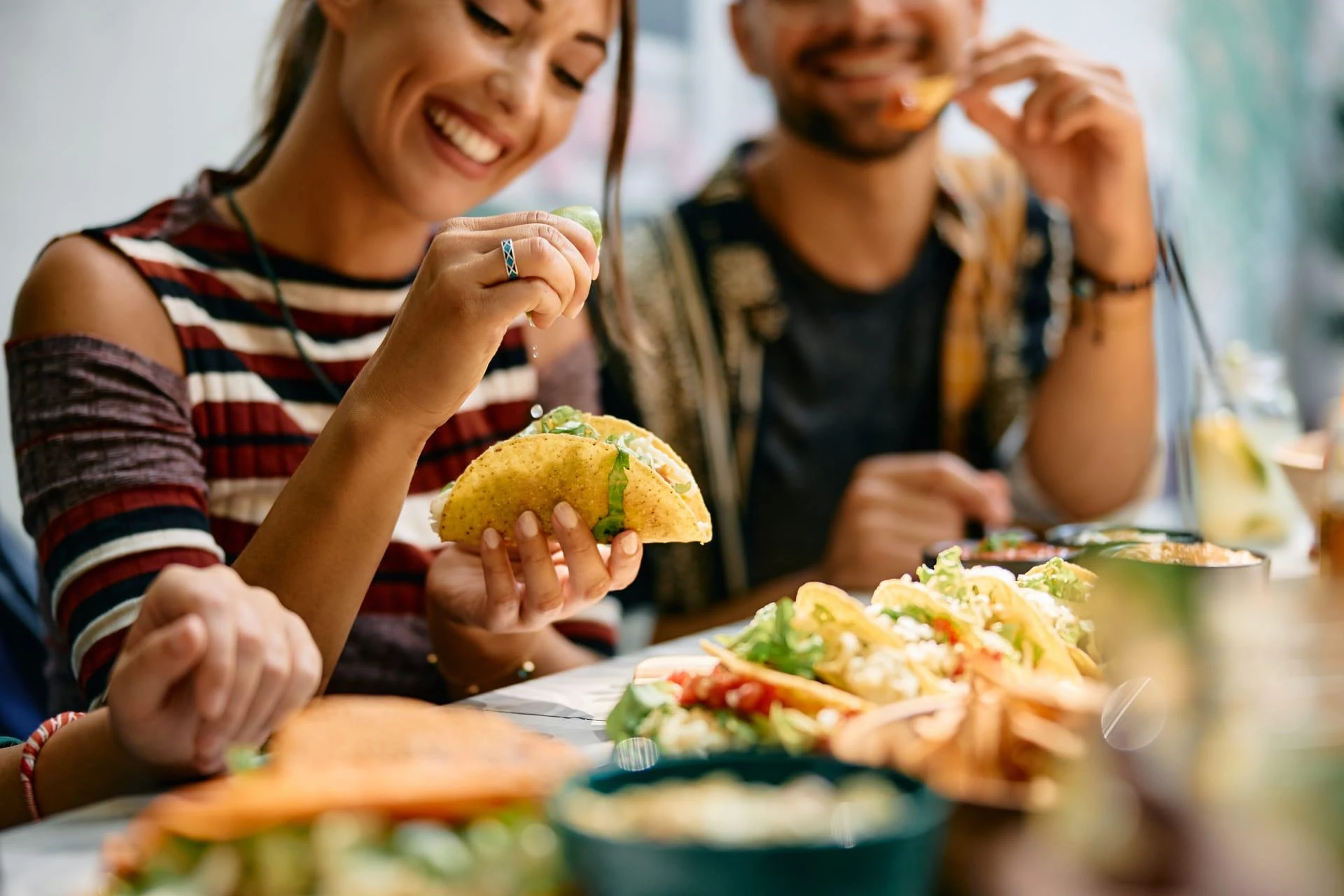

Authenticity doesn’t happen by accident. The flavors of Mexican food is built step by step, through preparation habits, regional ingredients, and cooking techniques that remain faithful to their origins. A Mexican restaurant that values tradition works with rhythm, not just recipes, using methods that reflect more than flavor, they reflect cultural history.
1. Daily prep habits protect freshness
Kitchen routines begin early for a reason. Chopping herbs, slicing ripe vegetables, soaking grains, and prepping masa happens before the first burner is lit. These tasks aren’t rushed because each ingredient performs better when it’s handled close to when it’s used. Time, not convenience, leads the process.
- USDA data shows cilantro loses 45% of its aromatic oils after just 24 hours of refrigeration
- Beans soaked and cooked the same day offer more consistent texture and require less sodium for flavor
- Pre-cut produce loses moisture and vitamin content quickly, reducing both flavor quality and color
Morning prep helps the food retain structure, taste, and nutritional value, no corners cut.
2. Regional cooking techniques add character
Old-school methods give the food its identity. Roasting, stone-grinding, slow simmering, and multi-stage sauce building create layers of flavor that machines and fast heat can’t replicate. This hands-on approach shows up in the results, deeper color, richer taste, and complexity that doesn’t rely on heavy seasoning.
- Smithsonian culinary archives document multi-step mole recipes that involve roasting, blending, and resting over multiple days
- Dry-toasting spices enhances essential oil release, intensifying their flavor and aroma
- Pozole and menudo rely on gradual cooking to build richness through collagen release and starch integration
Technique shapes outcome. A dish prepared with intention carries that difference all the way to the table.
3. Sourcing native ingredients maintains flavor accuracy
Flavor begins where the ingredient grows. That’s why authentic Mexican restaurants lean on indigenous crops, like heirloom corn, native chiles, or bold herbs like hoja santa, to maintain regional integrity. These aren’t luxury items. They’re foundational to the real taste of the cuisine.
- USDA studies confirm heirloom maize offers superior mineral density and unique starch profiles for better texture
- Pasilla, mulato, and guajillo chiles provide specific flavor notes that generic peppers can’t deliver
- Epazote, used traditionally in beans and stews, supports digestion and adds a distinctive aromatic bitterness
Local or regional ingredients aren’t add-ons, they’re the starting point for everything else.
4. Handmade tortillas improve texture and taste
Tortillas made in-house don’t just wrap the dish, they become part of it. Hand-pressed and griddled just before serving, they stay pliable, warm, and aromatic. A fresh tortilla contributes moisture and structure, while a packaged one often gets in the way.
- Fresh masa starts losing elasticity and flavor hours after grinding, making early preparation critical
- Packaged tortillas include preservatives like sorbic acid, which dulls the corn’s natural flavor
- Warm tortillas help maintain filling temperature and consistency throughout the dish
Tortillas done right add flavor, support the meal, and reflect care in every fold.
5. Salsa made fresh carries sharpness
Every type of salsa, raw, roasted, or blended, has a specific purpose on the plate. When salsa is prepped throughout the day using fresh ingredients, it provides balance and contrast to richer elements. Stored versions tend to flatten, losing acidity and brightness that fresh batches maintain.
- Tomatoes begin breaking down enzymatically within 10 hours of being diced, affecting both taste and texture (NIH)
- Lime juice oxidizes quickly, losing 20–30% of its acidity if held too long
- Onion and garlic lose pungency when stored chopped, reducing their impact in salsas
Small-batch preparation keeps flavor sharp, responsive, and able to adjust to natural ingredient changes.
6. Fresh-cooked meats retain moisture and depth
Slow-cooked dishes like barbacoa, carnitas, and tinga develop their boldest flavors when started early and served within hours. Cooking from raw, rather than reheating, preserves tenderness, seasoning accuracy, and texture. Authentic kitchens begin meat prep before service ever begins.
- The USDA notes that repeated reheating dehydrates proteins and deteriorates cellular structure in meats
- Proper low-heat cooking between 190–205°F melts collagen, producing tender, flavorful results
- Fresh marinated meat absorbs flavor more evenly than pre-cooked versions, which can develop uneven saltiness
Time builds flavor, and freshness protects it all the way to the plate.
7. Layered seasoning brings balance
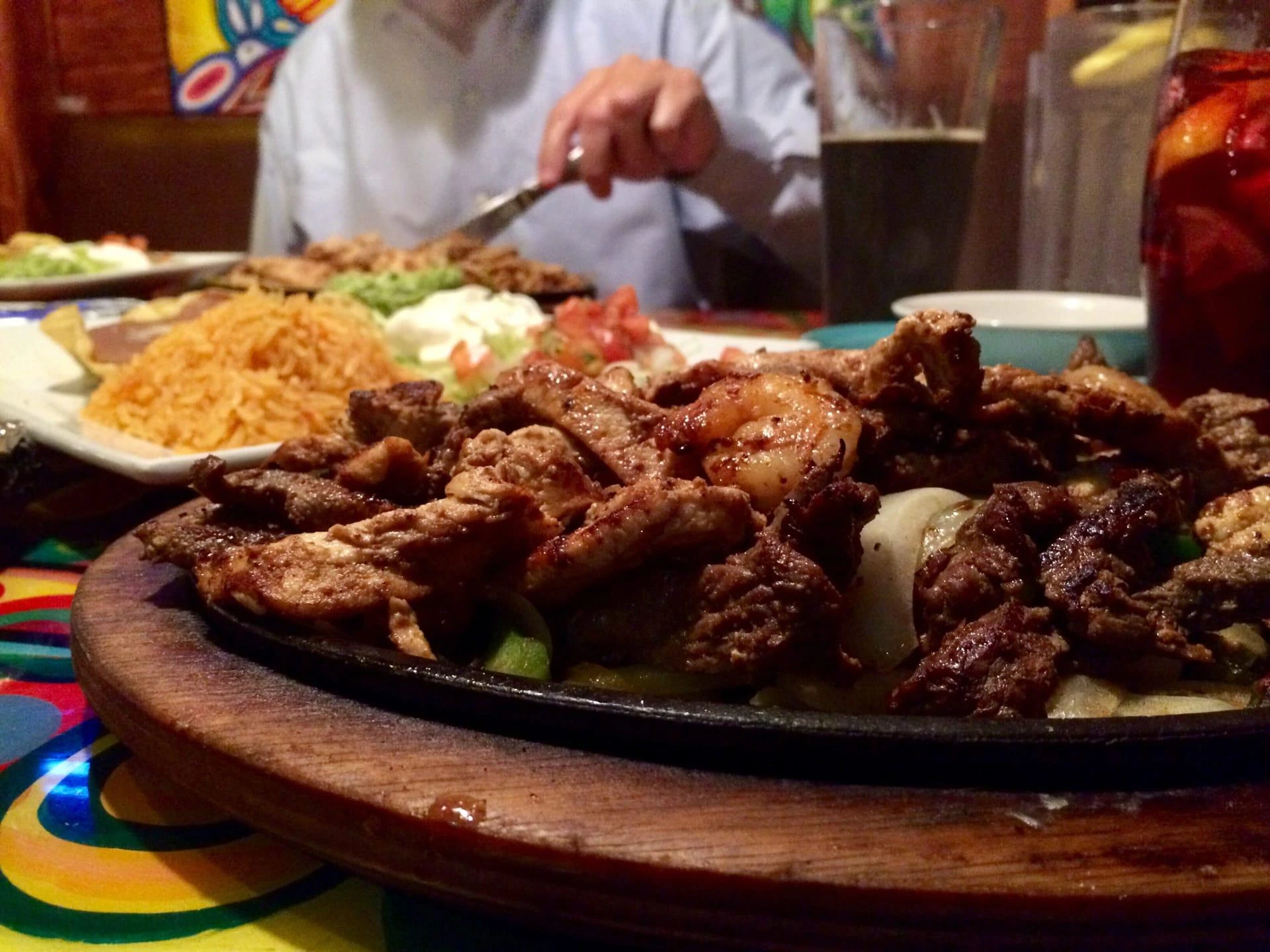
No authentic dish shouts a single flavor. Instead, each one is layered through heat, acid, salt, sweetness, and bitterness in thoughtful steps. This process starts early, whether it’s blooming spices, adding aromatics, or finishing with citrus, and continues as the dish comes together.
- The FDA reports that gradual salting leads to more efficient absorption and balanced seasoning
- Toasting whole spices boosts flavor intensity while reducing harshness or bitterness
- Final seasoning with acids like lime juice can increase aroma and sharpen flavor perception
Thoughtful seasoning ensures complexity without confusion, each part of the dish supports the whole.
Key Takeaways: How Mexican Food Stays Rooted in Tradition
Mexican food that stays true to its cultural origins doesn’t rely on shortcuts or imitation. It’s grounded in daily preparation, local ingredients, and long-practiced methods that build real flavor step by step. Every tortilla, spoonful of salsa, or piece of slow-cooked meat reflects care and history. That’s what makes a dish authentic, not just what’s on the menu, but how it’s made behind the scenes.
What to Remember:
- Early daily prep preserves nutrients, texture, and flavor integrity
- Regional cooking methods add complexity through time and process
- Native crops and spices offer irreplaceable flavor profiles
- Fresh tortillas improve flexibility, taste, and structure in each bite
- Salsas made multiple times a day stay sharp and complementary
- Slow-cooked, freshly made meat carries more seasoning and tenderness
- Balanced seasoning techniques enhance without overwhelming
Frequently Asked Questions
Why do authentic Mexican kitchens focus on daily prep?
Because ingredients start breaking down quickly, and freshness directly affects both taste and safety.
What’s special about native Mexican ingredients?
They offer flavors and textures unique to their origin, essential for keeping dishes true to their roots.
Are tortillas really made fresh every day?
Yes, in most traditional kitchens. Fresh masa doesn’t hold well overnight and changes texture if left too long.
Why is salsa prep done throughout the day?
To keep the acidity, brightness, and texture intact, especially since fresh produce can vary by batch.
How do seasoning steps influence authenticity?
They build flavor in layers, rather than relying on a single overpowering note. It’s how the dish maintains balance and identity.


































Sign in to leave a comment.