
Dogs often learn more thoroughly when they’re cared for and trained in a place they already feel secure. Housing dog boarding and training within one consistent setting supports calmer behavior, improves learning retention, and eliminates the confusion that comes from changing environments. Stability in handlers, routines, and surroundings helps dogs focus on the behaviors they’re being taught. When structure remains constant, dogs are more likely to adopt new habits that carry over into the home.
“Dogs absorb training more naturally when they feel safe and familiar with their surroundings, which is why combining boarding and training in one environment helps reinforce learning and reduces stress,” Magnolia Paws Board & Train explains. “Consistency in routines, handlers, and expectations allows dogs to stay relaxed and focused, making new behaviors easier to understand and maintain once they return home.”
Dog Boarding and Training Improves Learning
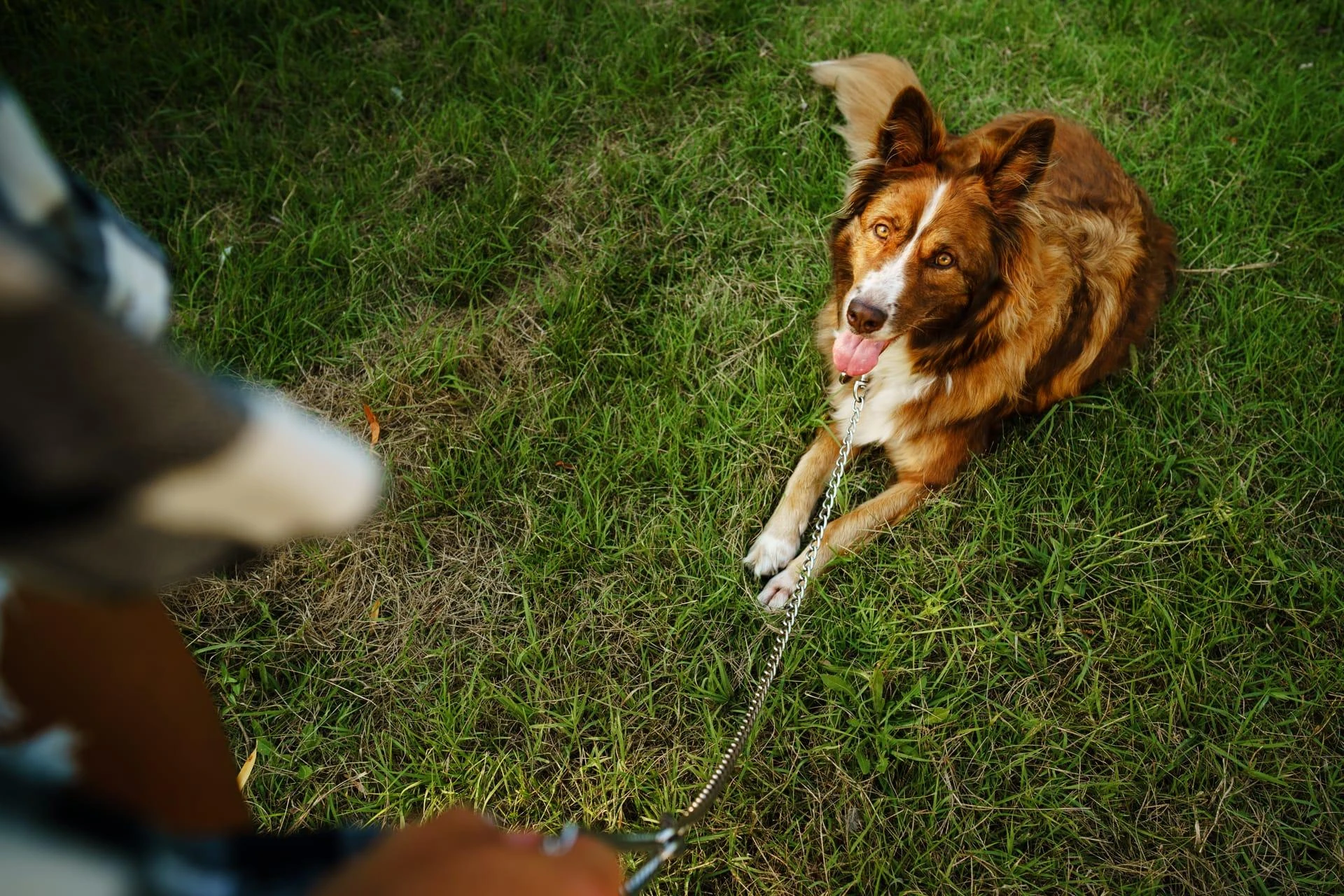
A variety of dogs have shown steady progress when both training and boarding occur in the same place. For example, a high-energy border collie who previously barked nonstop at night became more relaxed after a few days in a consistent care environment. By observing him during downtime and structured sessions, staff identified his triggers and reinforced calm behavior around them. With each passing day, his reactivity declined, and his focus during training improved.
- Consistent spaces help dogs process commands with less emotional interference.
- Observing dogs across the full day gives trainers a clearer understanding of patterns.
- Repetition in familiar surroundings encourages stronger long-term retention.
1. Less confusion in stable environments
Dogs often show signs of anxiety when their surroundings change too often. Staying in a single location for both training and boarding limits that uncertainty. A dog that feels secure is more willing to try new behaviors and follow directions.
- Familiar environments reduce cortisol production, helping dogs settle quickly.
- Fewer new scents, noises, and people allow dogs to feel safe.
- Calm behavior becomes easier to reinforce in a low-distraction space.
2. Predictable schedules reinforce daily training
Learning improves when dogs know what comes next. Feeding times, bathroom breaks, and rest periods become moments to reinforce obedience skills. These regular intervals offer natural opportunities for repetition that align with each dog’s internal rhythm.
- Linking commands to routine actions strengthens memory through association.
- Daily repetition helps turn new behaviors into default responses.
- Structured timing reduces frustration and creates clearer expectations.
3. Ongoing practice speeds up behavior changes
Spaced training sessions throughout the day create frequent touchpoints for learning. These micro-sessions allow dogs to absorb cues naturally without overwhelming their attention span. Practice during different parts of the day leads to faster, more reliable results.
- Frequent reminders of commands improve recall speed and consistency.
- Integrating lessons into the day helps build automatic responses.
- Dogs retain information better when it’s reinforced in multiple settings.
4. Everyday interactions shape practical behavior
Dogs don’t just need to sit or stay in a quiet room, they need to manage themselves in daily life. Facilities that combine care and training expose dogs to real-life challenges like grooming tools, hallway distractions, or sudden noises in controlled, teachable moments.
- Practicing obedience in common situations helps with generalization.
- Exposure to mild unpredictability builds emotional stability.
- Calm responses become default through guided repetition in real settings.
5. Grooming becomes part of behavior training
Dogs who fear nail trims or brushing can benefit from integrated training during grooming. Staff can gradually introduce tools, reinforce stillness, and create positive associations. That process not only supports grooming success but also boosts tolerance during vet visits.
- Regular grooming becomes a lesson in calm cooperation.
- Gentle desensitization reduces panic behaviors during handling.
- Consistent reinforcement improves trust in close-contact interactions.
6. Full-day supervision informs smarter training plans
Trainers working in a combined environment have more chances to observe the dog's behavior in and out of lessons. They notice subtle signs of stress, restlessness, or confusion that wouldn’t surface in short sessions. This information allows for better, more precise planning.
- All-day care offers insight into mood, behavior triggers, and attention span.
- Adjustments can be made based on actual behavior, not guesswork.
- Patterns across rest, meals, play, and grooming can guide training direction.
7. Structured group time encourages healthy social behavior
Play sessions are most effective when they’re supervised and intentionally matched. Facilities with integrated boarding and training can evaluate temperament and energy levels before introducing dogs to each other. This controlled exposure helps develop confident, respectful interactions.
- Supervised socialization builds polite play habits and reduces tension.
- Handlers redirect poor behavior before it becomes a pattern.
- Dogs with limited social experience gain confidence at a comfortable pace.
8. Continued reinforcement leads to lasting improvement
When behavior is reinforced outside of lesson time, it becomes part of a dog’s normal routine. Dogs in traditional kennels may lose progress made during training, but those in a structured environment are reminded of good habits throughout the day.
- Consistency between training and downtime helps maintain progress.
- Dogs learn to apply skills during meals, walks, and rest, not just training drills.
- Strong routines make it easier for dogs to return home without slipping back into old habits.
9. Centralized care simplifies everything for pet owners
Coordinating drop-offs, pickups, and updates across multiple providers can lead to miscommunication and scheduling challenges. When all services take place in one facility, pet owners have fewer logistics to manage and clearer insight into their dog’s progress.
- One point of contact improves communication and accountability.
- Updates reflect a complete picture of the dog’s behavior and development.
- Scheduling conflicts are reduced when everything is handled in one place.
10. Familiarity with caregivers supports better cooperation
Dogs build trust with handlers they see often. Repeated exposure to the same staff helps dogs stay relaxed, even in challenging situations. That trust increases their willingness to listen, remain calm during grooming, and stay focused during lessons.
- Dogs feel safer with people they know and understand.
- Trust allows handlers to work through anxiety-related behaviors more gently.
- Positive relationships lead to better long-term results in training and care.
Takeaways on Dog Boarding and Training in One Place
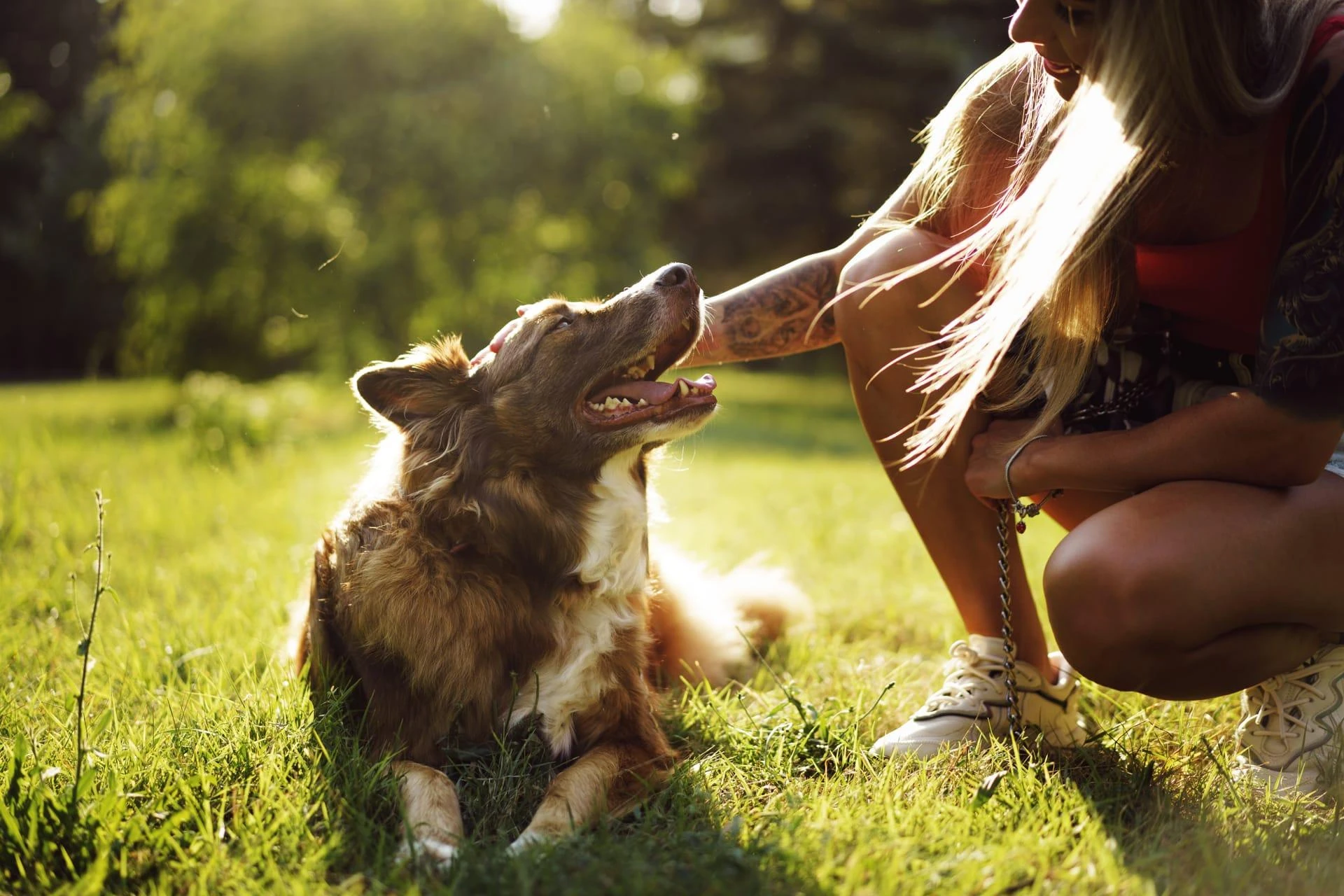
Dogs benefit deeply from a care model that keeps training, boarding, and grooming in one trusted location. A unified environment supports emotional calm, builds reliable routines, and gives trainers the context they need to adjust methods thoughtfully. When daily life becomes part of the training plan, dogs improve more naturally and carry those lessons with them after they return home.
Frequently Asked Questions
How does a combined facility support better training outcomes?
Consistency across environment, schedule, and staff reduces stress and helps dogs learn and retain new behaviors more efficiently.
Can grooming help reinforce obedience?
Yes. Grooming teaches dogs to stay still, accept touch, and manage discomfort, all essential parts of a well-rounded behavior foundation.
What if my dog has never boarded before?
A consistent setting with familiar faces and predictable routines helps ease that transition and reduces first-time boarding anxiety.
Is socialization still part of a board-and-train setup?
Yes. Dogs are introduced thoughtfully to others, and staff guide the interaction to ensure safe, structured play and confidence building.
How do I know if my dog is improving?
Combined facilities provide comprehensive updates that include training notes, staff observations, and behavior trends across boarding and grooming time.































Sign in to leave a comment.