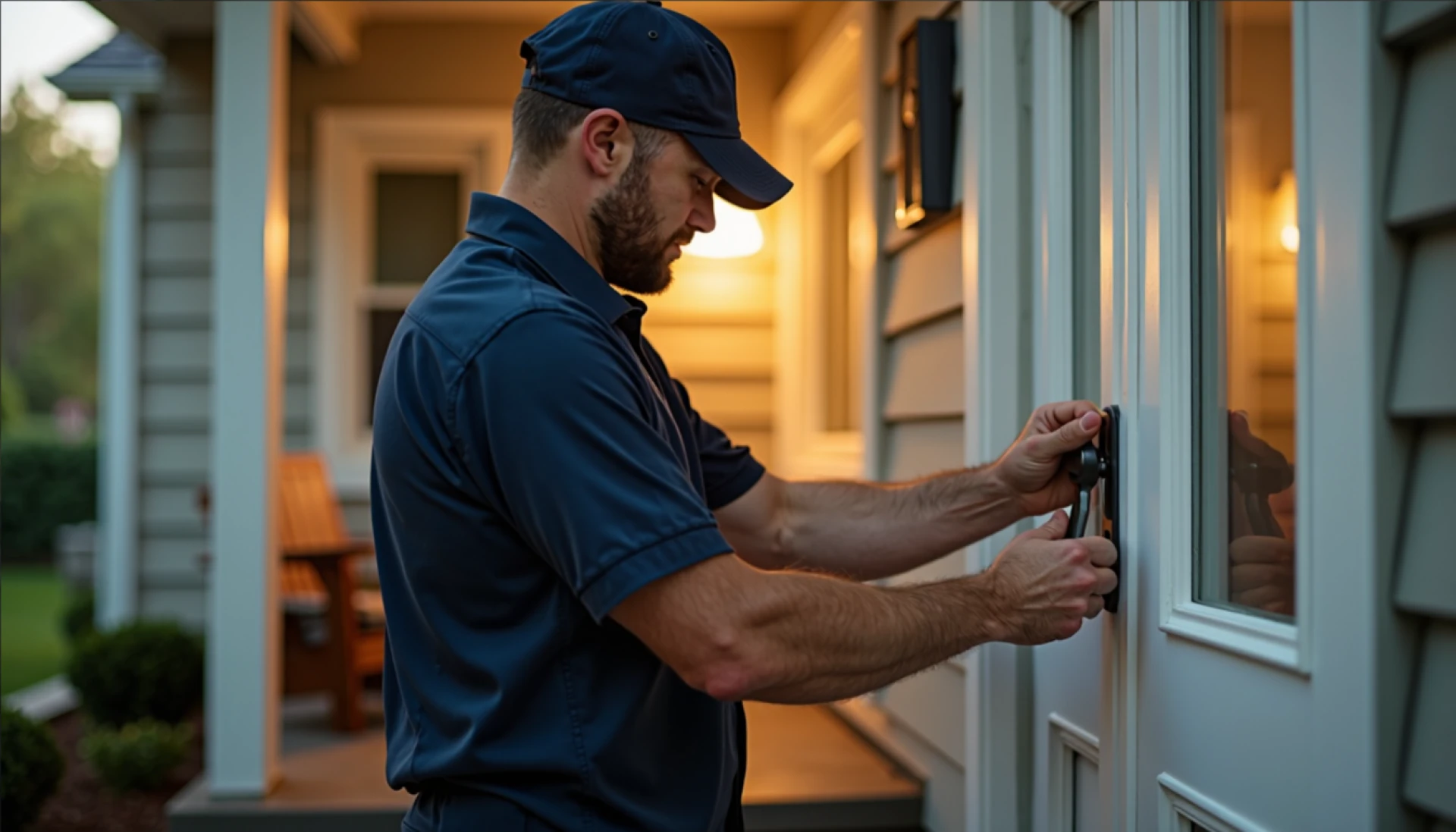

Let’s be honest—how often do you think about the locks on your doors? For most of us, the answer is probably “only when something goes wrong.” You turn the key one day and it doesn’t budge, or your smart lock randomly decides it’s “offline,” and suddenly, you’re standing outside your own home feeling just a little bit betrayed.
The truth is, locks—whether they’re old-school deadbolts or high-tech smart systems—need regular care just like any other part of your home. But don’t worry, maintaining them doesn’t require special tools or hours of your weekend. A few simple habits and checks can go a long way in keeping your locks working smoothly and extending their lifespan.
Here are 10 easy tips to keep your home locks working like new, so they stay secure, functional, and hassle-free.
1. Clean Your Locks Inside And Out
Dust, grime, and the oils from our hands can build up over time and gunk up both the exterior and the internal parts of a lock. Giving your locks a quick wipe down with a soft cloth and mild soap can help prevent buildup.
For the interior (where the key goes), you can use a burst of compressed air or a gentle brush to dislodge dirt. Keeping things clean helps ensure that the pins inside the lock can move freely and do their job.
2. Use The Right Lubricant
One of the easiest ways to keep a lock working well is to lubricate it regularly. But here’s the catch—not all lubricants are created equal. A lot of people reach for WD-40, but that can actually attract dust over time and make things worse.
Instead, opt for graphite powder or a dry silicone spray, which lubricate without leaving a sticky residue. A quick spray inside the keyhole and around the moving parts every six months is usually enough.
3. Check For Loose Screws
Door locks are under constant use, and over time, parts can wiggle loose. If you notice the lock or handle feels a bit wobbly, it’s probably time to tighten things up.
Use a screwdriver to gently tighten any loose screws on the faceplate, knob, or handle. If left unchecked, loose components can cause misalignment—and that’s when locks start jamming or failing altogether.
4. Avoid Excessive Force
If your key isn’t turning easily, don’t muscle it. Forcing a sticky lock could damage the internal mechanism—or worse, snap your key in half. That’s never fun.
Instead, stop and assess. Is the key bent? Is the lock dirty or dry? Taking a minute to troubleshoot and gently wiggle the key (with lubrication if needed) can save you from a bigger headache later.
5. Duplicate Keys From The Original
Ever had a key copy that didn’t quite work right? That’s often because it was duplicated from an already worn-out key. Each copy introduces slight imperfections, which can add up over time.
For best results, always duplicate from the original master key if you can. If that’s not available, ask a locksmith to cut a key based on the lock code rather than copying a worn one.
6. Keep Your Door Properly Aligned
Your lock is only as good as the door it’s installed in. If your door sags, shifts, or sticks, it can put extra pressure on the lock, causing parts to wear out faster or become misaligned.
Check that your door latches easily without needing to pull or push. If it doesn’t, you may need to adjust the hinges, the strike plate, or the weatherstripping to ensure a smooth fit.
7. Protect Locks From The Elements
If you have exterior locks, they’re battling wind, rain, temperature swings, and humidity. Over time, exposure can lead to rust, corrosion, or freezing.
To protect your locks:
- Use weatherproof covers on padlocks or outdoor handles.
- Apply a moisture-repelling lubricant (like Teflon-based sprays) before winter or rainy seasons.
- In colder climates, keep some lock de-icer on hand just in case.
8. Test Your Locks Periodically
Set a reminder once every few months to go around your home and test all the locks. Open and close the door, lock and unlock it a few times, and make sure everything feels right.
This is especially helpful for less-used locks—like side doors, garage entry doors, or basement entrances—that don’t get daily attention but are still crucial for security.
9. Keep Smart Locks Updated
If you’ve jumped on the smart home train, don’t forget that electronic locks need maintenance too. While they may not have keyholes, they do have moving parts, sensors, batteries, and software to keep track of.
Make sure to:
- Change the batteries as recommended (or sooner if you notice lag).
- Update the firmware through the manufacturer’s app.
- Keep the keypad or touch panel clean and dry.
- Watch for error codes or connectivity issues, and address them promptly.
10. Know When To Call A Pro
If a lock starts acting up despite your best efforts—like sticking, grinding, or not engaging properly—it might be time to bring in a locksmith. Early intervention can often mean the difference between a simple fix and a full replacement.
It’s also a good idea to have a locksmith do a quick checkup every few years, especially if your home is older or you’ve had repeated key issues.
Look After Your Locks And They’ll Look After You
Your home’s locks quietly work hard every day, keeping you and your loved ones safe. And while they’re designed to be durable, a little bit of regular maintenance can go a long way in ensuring they stay that way.
The good news? Most of these tips are simple, quick, and don’t cost much—yet they can save you from the stress and expense of a broken lock or a late-night lockout.
So the next time you’re wiping down the counters or changing your air filters, maybe give your locks a little love too. They’ve earned it.





























Sign in to leave a comment.