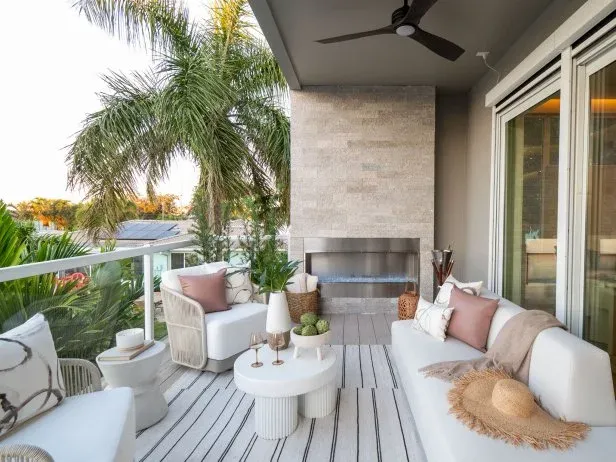

A balcony can be one of the most enjoyable parts of a home, but renovating it involves more than choosing new tiles or adding stylish furniture. Before starting work, it is important to inspect the structure, waterproofing, drainage and existing finishes. A little preparation can help prevent unexpected costs and ensure your renovated balcony remains safe, functional and attractive for years.
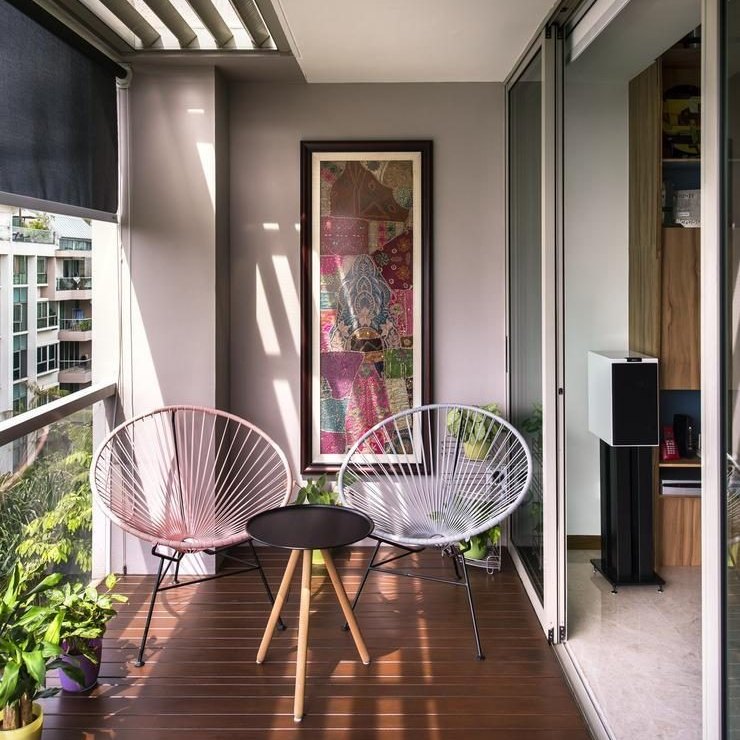
1. Check the Balcony Structure
Look for Cracks and Damage
Start by inspecting the slab, walls, edges and supporting areas for visible cracks, movement, rust stains or concrete deterioration. Structural problems should never be covered up with new finishes. If you notice significant damage, have it assessed by an appropriately qualified professional before renovation begins.
2. Inspect Existing Waterproofing
Don't Ignore Signs of Water Damage
Waterproofing is one of the most important areas to check. Look for bubbling paint, damp patches, mould, staining or moisture appearing underneath the balcony. Failed waterproofing can allow water to enter surrounding structures and cause much more expensive damage over time.
If the existing waterproofing is old or damaged, it may need to be repaired or completely replaced before new tiles are installed.
3. Check the Balcony Drainage
Make Sure Water Can Escape
Poor drainage can quickly create problems after renovation. Check whether water flows towards the drain rather than collecting in corners or against walls. Blocked or poorly positioned drains can contribute to leaks and surface deterioration.
A professional should also check the balcony falls or gradient to make sure rainwater can drain effectively.
4. Examine the Existing Tiles
Look for Loose or Cracked Tiles
Tap across the tiled surface and look for cracked, loose or hollow-sounding tiles. Damaged tiles can indicate problems underneath the surface, particularly if moisture has entered the substrate.
Replacing only a few tiles may not solve the underlying issue if the waterproofing or base has already deteriorated.
5. Check the Balcony Edge
Pay Attention to the Perimeter
The balcony edge is exposed to weather and water and can deteriorate over time. Check for cracks, damaged render, rusting metal or areas where water appears to be entering.
Edge details should be properly sealed during renovation to reduce the risk of future water penetration.
6. Inspect Balustrades and Railings
Safety Should Come First
Check whether balustrades, railings and posts are secure and free from corrosion or movement. If they feel loose or show signs of deterioration, they should be assessed before renovation work continues.
Any replacement or modification should meet applicable Australian building and safety requirements.
7. Review Your Drainage and Downpipes
Check Where the Water Goes
Balcony drainage should connect effectively to the property's broader stormwater system where applicable. Check for blocked outlets, damaged pipes and water overflowing during heavy rain.
Solving drainage problems early can prevent your newly renovated surface from suffering avoidable damage.
8. Choose Suitable Outdoor Materials
Think Beyond Appearance
Not every tile, adhesive or grout is suitable for an exposed balcony. Materials need to cope with rain, temperature changes, sunlight and regular foot traffic.
When planning balcony renovations Melbourne homeowners should consider durability and weather resistance alongside colour, texture and style.
9. Set a Realistic Renovation Budget
Allow for Unexpected Repairs
Creating a budget is easier when you understand the existing condition of the balcony. However, always leave some room for unexpected repairs. Once old tiles or finishes are removed, hidden waterproofing, drainage or substrate problems may become visible.
Getting a detailed assessment and quotation before work starts can make budgeting much easier.
10. Plan the Renovation as a Complete System
Don't Focus Only on the Surface
A balcony renovation should consider the structure, waterproofing, drainage, falls, substrate, tiles and finishing details together. Fixing only the visible problem may provide a temporary improvement while leaving the underlying issue unresolved.
Experienced contractors such as MBBR Renovators can help identify potential problems and determine which areas need attention before the renovation begins.
Final Thoughts
A successful balcony renovation starts long before the first tile is removed. Checking the structure, waterproofing, drainage, tiles, balustrades and budget can help you avoid costly surprises and achieve a more durable result.
Whether you are updating a small apartment balcony or transforming a larger outdoor space, careful planning is the key to getting the most from your investment. For homeowners considering balcony renovations Melbourne, addressing hidden issues before installation can make the finished space safer, more practical and easier to maintain.

























Sign in to leave a comment.