Water scarcity challenges millions in India amid rapid urbanization. Buildings generate substantial wastewater daily, yet much remains untreated. Sewage treatment solutions are incorporated into green buildings to recycle water efficiently and enhance sustainability.
These solutions support IGBC and GRIHA certifications. They mitigate environmental issues effectively. Many projects integrate them seamlessly for long-term benefits.
Why Sewage Treatment Matters for Sustainable Architecture
Green buildings prioritize efficiency and reduced ecological footprints. Wastewater management emerges as a cornerstone in this pursuit. Sewage treatment solutions are adopted to transform waste into a valuable resource.
Untreated sewage contaminates rivers and groundwater extensively. On-site treatment facilitates reuse for non-potable purposes. Freshwater consumption is reduced considerably as a result.
India generates approximately 72,368 million liters of sewage daily in urban areas. Only 28% receives treatment, according to recent CPCB reports. Decentralized sewage treatment solutions help green buildings address this gap directly.
A leading renewable energy solutions company frequently incorporates biogas recovery from sludge. Waste is converted into usable energy efficiently.
Furthermore, these systems promote circular water economies. Pollution loads on natural water bodies decrease significantly.
Reason 1: Conserving Precious Water Resources
Water stress intensifies in numerous Indian cities. Per capita availability continues to decline sharply.
Projections suggest further drops by 2030 due to population pressures. Sewage treatment solutions enable recycling for flushing, irrigation, and HVAC cooling.
Potable water usage drops by 30-50% in many certified green projects. Greywater and blackwater are treated separately for optimal reuse.
- Recycled water supports landscape irrigation
- Flushing systems utilize treated effluent
- Cooling towers benefit from recycled supplies
Examples from Mumbai and Bengaluru demonstrate billions of liters saved annually.
Reason 2: Achieving Green Building Certifications
IGBC and GRIHA award substantial credits for wastewater management. On-site treatment and recycling prove essential for higher ratings.
Platinum-level certifications often require robust sewage treatment solutions. Points are allocated for reduction in freshwater demand and zero discharge goals.
A renewable energy solutions company boosts scores through energy-from-waste integration. Hybrid systems gain additional recognition.
Many projects, like those in Hyderabad, achieve top ratings via comprehensive approaches.
Reason 3: Reducing Environmental Pollution
Untreated sewage pollutes major rivers severely. Over 70% of urban wastewater flows untreated into water bodies.
On-site sewage treatment solutions prevent direct discharge. Effluent quality meets stringent CPCB norms.
Decentralized plants minimize leakage risks and transportation emissions.
Reason 4: Enabling Water Reuse and Recycling
Treated effluent achieves near-potable standards in advanced systems. Reuse targets non-potable applications primarily.
Projects in Delhi and Chennai recycle 80-100% of wastewater. Zero-liquid discharge becomes attainable.
Resilience against droughts improves markedly. Circular practices align with national water policies.
Reason 5: Supporting Energy Recovery and Sustainability
Anaerobic processes produce biogas from organic sludge. This fuel offsets operational energy needs.
Many installations combine biogas with solar inputs. A renewable energy solutions company specializes in such optimizations.
Carbon footprints shrink substantially. Net-zero energy goals advance closer.
Reason 6: Enhancing Occupant Health and Well-Being
Odors and pathogens are eliminated through effective treatment. Indoor environments remain healthier.
Recycled water avoids reliance on polluted sources. Well-being scores rise in green-rated structures.
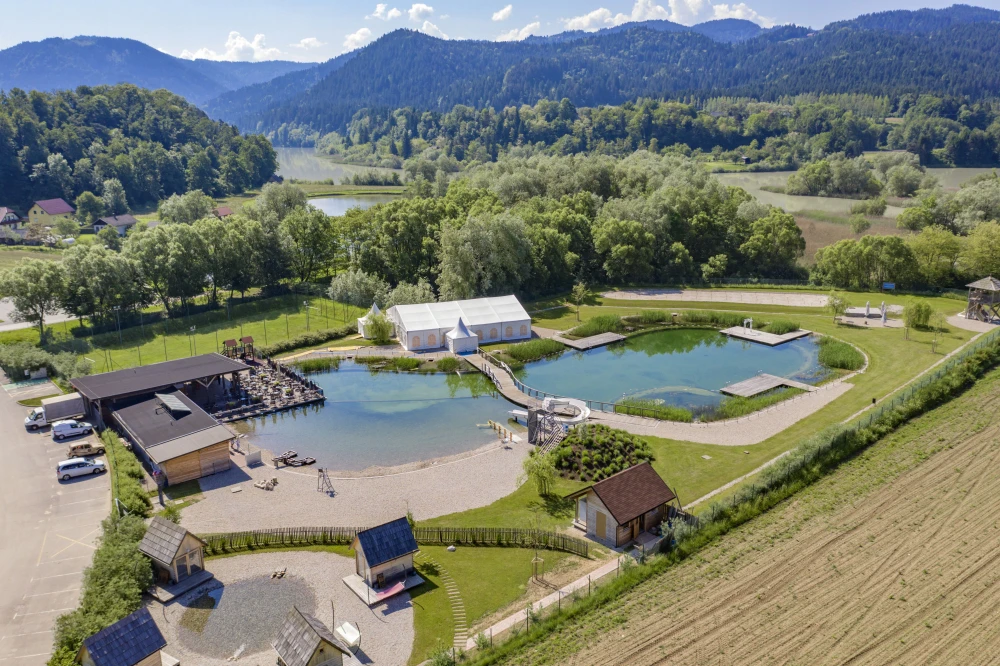
Natural systems, like constructed wetlands, add aesthetic value.
Reason 7: Complying with Regulatory Requirements
CPCB and state norms mandate treatment for large developments. On-site plants ensure adherence.
Future regulations emphasize mandatory reuse. Green buildings stay ahead proactively.
Penalties for non-compliance deter delays. Sustainable compliance builds trust.
Reason 8: Promoting Biodiversity and Ecosystem Health
Treated water nourishes on-site wetlands. Native plants and wildlife thrive.
Ecological filtration enhances treatment naturally. Projects in Pune incorporate biodiversity corridors.
Local ecosystems recover gradually. Buildings contribute positively overall.
Reason 9: Lowering Long-Term Operational Burdens
Advanced systems require minimal intervention. Energy recovery reduces utility dependence.
Savings accrue over decades. Green certifications validate efficiency claims.
Reason 10: Contributing to Net-Zero Goals
Net-zero water and energy targets demand closed loops. Sewage treatment enables full recycling.
Many IGBC platinum projects achieve this integration. Biogas supplements renewables effectively.
Holistic sustainability emerges stronger.
Reason 11: Building Resilience Against Climate Change
Erratic rainfall patterns disrupt supplies. On-site treatment provides consistent alternatives.
Flood risks decrease with reduced discharge. Adaptive buildings endure challenges better.
Climate resilience certifications recognize such features.
In conclusion, sewage treatment solutions underpin genuine green building practices. Water conservation, pollution control, and resource recovery are realized effectively. Certifications, health benefits, and regulatory compliance follow naturally.
Project stakeholders are invited to consult specialized providers for tailored integrations. Sustainable decisions today foster resilient environments tomorrow.
FAQs
1. Why are sewage treatment solutions essential for green buildings?
They enable wastewater recycling, reduce freshwater demand, and minimize environmental pollution while supporting certifications.
2. How much water can be saved through on-site treatment in India?
Certified green buildings often achieve 30-50% reductions, with some recycling up to 100% for non-potable uses.
3. Do these solutions help with IGBC or GRIHA ratings?
Yes, significant credits are awarded for wastewater reduction, treatment, and reuse strategies.
4. Is treated sewage safe for reuse?
Advanced systems produce effluent meeting CPCB standards, safe for irrigation, flushing, and cooling.
5. How does treatment support energy recovery?
Biogas from anaerobic digestion powers operations, often integrated with solar for net-zero aspirations.


























Sign in to leave a comment.