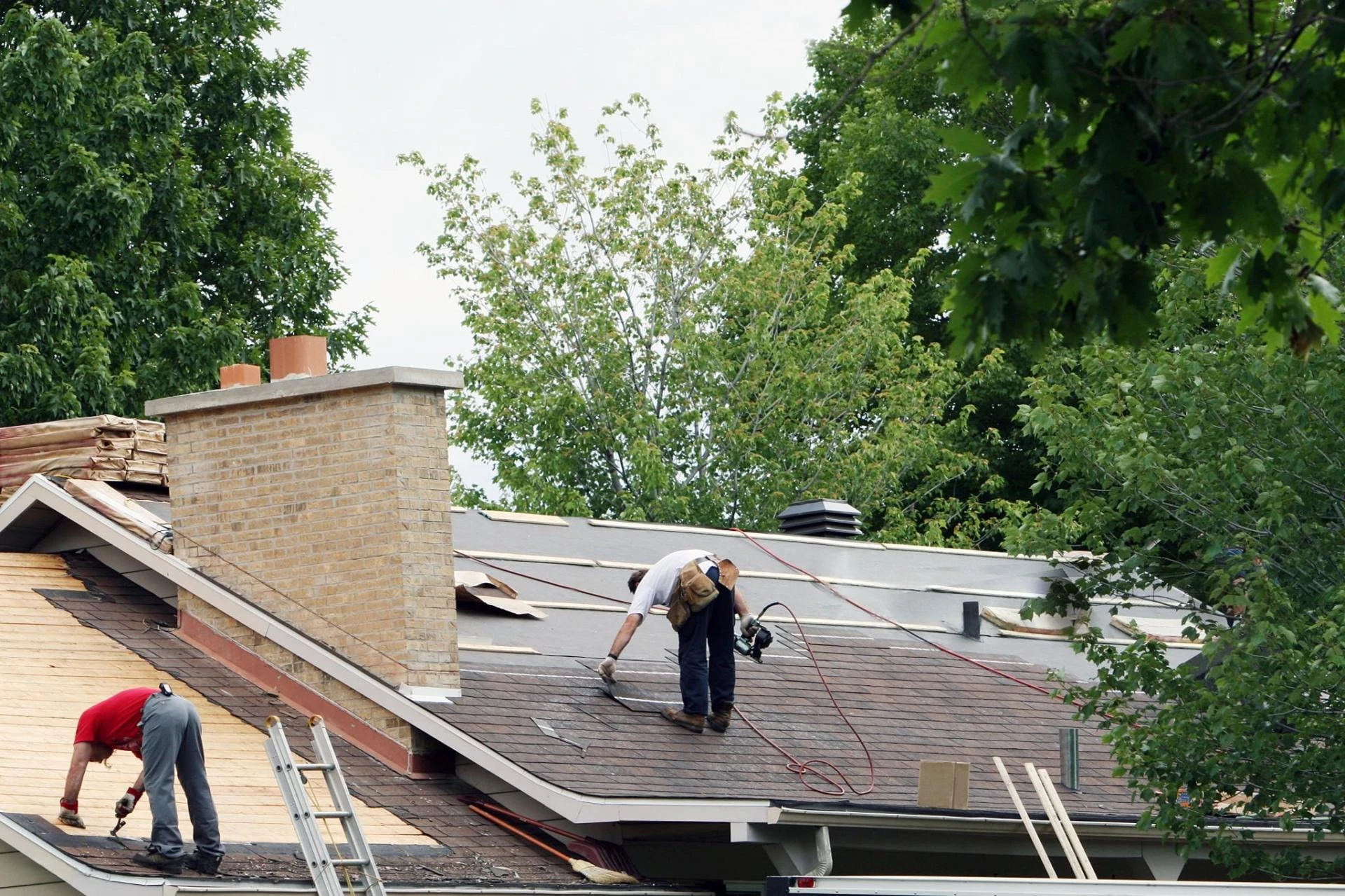
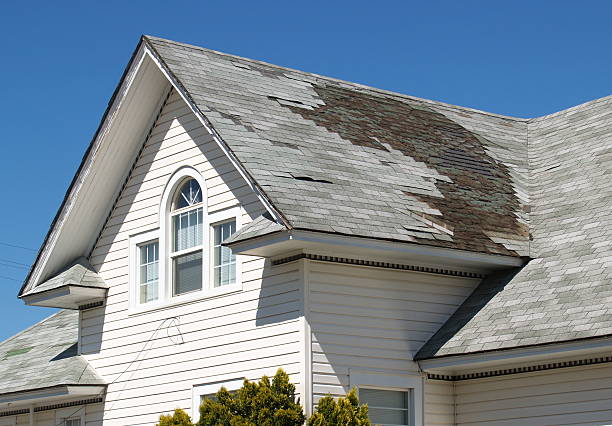
A new roof can completely change how a home looks, feels, and performs over time. It protects everything inside and plays a big role in comfort, safety, and energy efficiency. Yet many homeowners unknowingly make choices that lead to leaks, damage, and costly repairs later. Understanding the common errors people make during Roofing Installation can help you avoid long term issues and make smarter decisions.
Whether you are working with a contractor or planning to understand the process better, this guide walks you through the most common mistakes and how to avoid them.
1. Ignoring Proper Planning Before Installation
One of the biggest mistakes starts even before the work begins. Many homeowners rush into a roofing project without a clear plan. They do not consider materials, budget, weather conditions, or structural needs. A strong plan helps avoid delays, unexpected expenses, and poor results.
Taking time to understand the type of roof suitable for your home and climate can prevent major issues later. Planning also includes checking permits, timelines, and contractor reliability.
2. Choosing the Cheapest Materials
Saving money feels good in the short term, but low quality materials can create serious problems. Cheap materials may crack, fade, or wear out quickly. This leads to repairs much sooner than expected.
A roof is a long term investment. Choosing durable materials ensures better protection and reduces maintenance over time. Spending a little more initially can save a lot in the long run.
3. Hiring the Wrong Contractor
Many homeowners choose a contractor based only on price. This often leads to poor workmanship, delays, and unfinished tasks. An inexperienced contractor may skip important steps or use incorrect methods.
Always check experience, reviews, and past work before making a decision. A skilled professional understands proper techniques and safety measures, which can make a huge difference in the outcome.
4. Skipping Roof Inspection Before Installation
Installing a new roof without inspecting the existing structure is a serious mistake. Hidden damage such as rot, mold, or weak support can remain unnoticed. When new material is placed on top of a weak base, problems appear quickly.
A proper inspection helps identify issues early so they can be fixed before installation begins.
5. Poor Ventilation Planning
Roof ventilation is often ignored, yet it plays a key role in maintaining temperature and preventing moisture buildup. Without proper airflow, heat and humidity can get trapped inside the attic. This may cause mold growth and damage insulation.
Good ventilation extends the life of the roof and keeps indoor temperatures more balanced.
6. Incorrect Installation of Shingles
Improper placement of shingles is a common problem. When they are not aligned or secured properly, they can lift during strong winds or allow water to seep through.
Correct installation ensures that each layer protects the one beneath it. This prevents leaks and keeps the roof strong during harsh weather.
7. Not Considering Weather Conditions
Starting a roofing project during the wrong season can create complications. Rain, extreme heat, or strong winds can affect how materials settle and how quickly the work gets done.
Weather also impacts safety and durability. Planning the project during a stable season helps achieve better results and reduces risks.
8. Ignoring Underlayment Importance
Underlayment is the protective layer placed between the roof deck and the outer material. Some homeowners overlook its importance, thinking it is not necessary. This layer plays a vital role in preventing moisture from entering the structure.
Without proper underlayment, even small leaks can lead to serious internal damage.
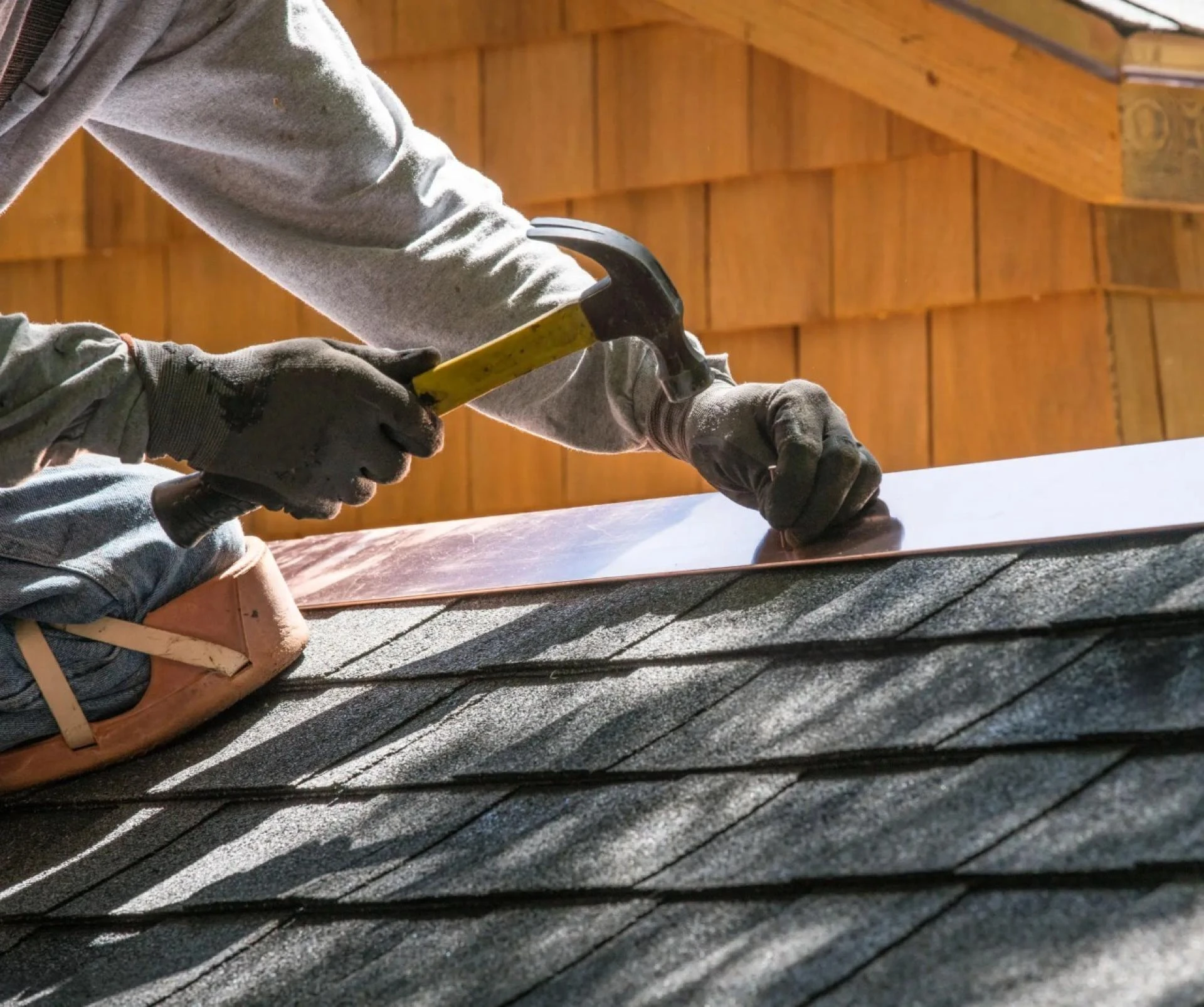
9. Poor Flashing Installation
Flashing is used around chimneys, vents, and joints to keep water out. If installed incorrectly, water can easily enter through these vulnerable points. Over time, this leads to stains, mold, and structural issues.
Careful placement and sealing of flashing are essential for long lasting protection.
10. Overlooking Drainage Systems
A roof needs a proper drainage system to guide rainwater away from the structure. Blocked or poorly designed gutters can cause water to collect on the surface. This can weaken the roof and lead to leaks.
Ensuring that gutters and drainage paths are clear and functional is an important part of installation.
11. Not Following Maintenance After Installation
Many people believe the job is done once the new roof is installed. In reality, regular maintenance is key to keeping it in good shape. Small issues like loose shingles or minor leaks can turn into major repairs if ignored.
Routine checks help extend the life of the roof and keep it performing well for years.
Final Thoughts
A well done roofing project is not just about appearance. It is about safety, comfort, and long term value. Avoiding these common mistakes can make a huge difference in how your roof performs over time. Careful planning, choosing the right professionals, and understanding the process are all part of making smart decisions.
If you are preparing for a new Roofing Installation, taking the time to learn from these mistakes can save you stress, money, and future repairs. A thoughtful approach ensures your home stays protected and secure for many years to come.


























Sign in to leave a comment.