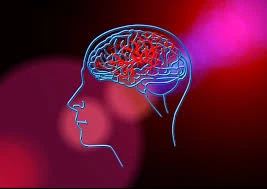

A brain stroke is a medical emergency that occurs due to the damage to the brain from the interruption of its blood supply, preventing brain tissue from getting oxygen and nutrients. Early treatment with the right medication can minimize brain damage. Treatments for brain stroke focus on reducing complications and preventing additional strokes.
A person having a brain stroke must seek immediate medical attention if he notices any signs or symptoms of a stroke, even if they seem to come and go or they disappear completely. To confirm the brain stroke, ask the person to smile and check if one side of the face droops. Ask the person to raise both arms and check if one arm drifts downward or if one arm is unable to rise. Ask the person to repeat a simple phrase and check if his speech is slurred or strange. If you observe any of these signs, call the emergency medical helpline immediately. Don\'t wait to see if symptoms stop as the longer a stroke goes untreated, the greater the chances of brain damage and disability.
Symptoms of a brain stroke
- Trouble speaking and understanding what others are saying. The person may experience confusion or have difficulty understanding speech.
- Paralysis or numbness of the face, arm, or leg is another prominent symptom of brain stroke. The person may develop sudden numbness, weakness, or paralysis in the face, arm, or leg that often affects one side of the body. Try to raise both your arms over your head at the same time. If one arm begins to fall, you may be having a stroke. Also, one side of your mouth may droop when you try to smile.
- The person may have problems seeing in one or both eyes. Symptoms may include sudden blurred or blackened vision in one or both eyes, or double vision.
- The person may experience a severe headache which may be accompanied by vomiting, dizziness, or altered consciousness.
- The person may have trouble walking normally and he may stumble or lose your balance. He might also experience sudden dizziness or a loss of coordination.
A person having a brain stroke must pay particular attention to the time the brain stroke symptoms began. Some treatment options are most effective when given soon after a stroke begins. Brain stroke chances increase in people who already have major health issues. Stress can be a highly probable cause of a brain stroke. A person who is genetically predisposed to hypertension, diabetes, obesity, etc., is also at a higher risk for brain stroke caused by stress.
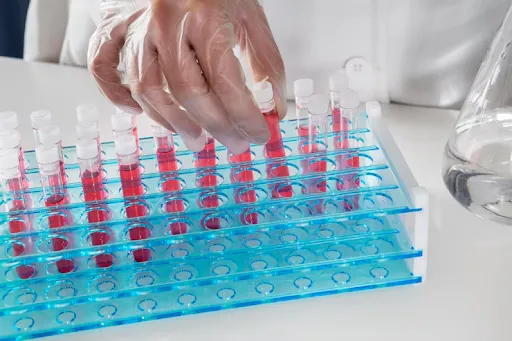
Causes of brain stroke include loss of blood supply or hemorrhage in the brain due to a blocked artery or bursting of a blood vessel. Some people may have only a temporary disruption of blood flow to the brain, known as a transient ischemic attack that doesn\'t cause lasting symptoms. People who have high blood pressure, high cholesterol, diabetes, and those who smoke are at higher risk of brain stroke. People with heart rhythm disturbances are also at risk. Stroke is diagnosed by the patient\'s symptoms, history, and blood and imaging tests.

























Sign in to leave a comment.