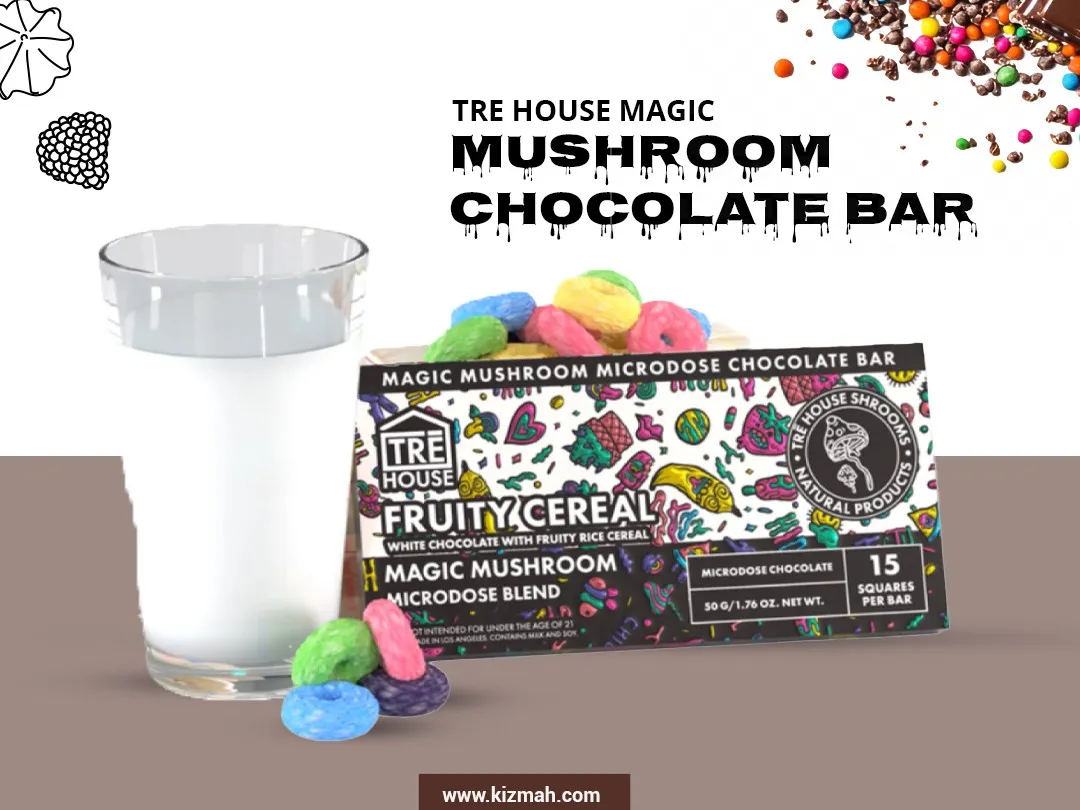

Interest in products like the TRE House mushroom bar reflects a broader recalibration in how people engage with altered states and functional consumption. What once lived on the fringes of wellness or recreation is now moving into a more structured, semi-regulated space shaped by transparency, dosage awareness, and cultural normalization.
This shift changes how the category is understood. The focus is no longer just on the substance itself, but on how the experience is delivered, controlled, and repeated. Someone isn’t simply trying something new, they are trying to understand how it fits into a routine.
Within this context, formats such as TRE House chocolate bars are not just novel. They represent a shift toward designed, predictable experiences that can be approached with intent rather than guesswork.
Where Most Conversations Fall Short
Much of the current discourse still leans toward extremes. Products are either framed as purely recreational or discussed through a therapeutic lens that assumes clinical use.
Both miss what is actually happening on the ground.
Many users today are not chasing intensity or treatment. They are exploring controlled shifts in perception that can sit alongside everyday life. Think of someone unwinding after a long workday or looking to slightly enhance a creative session, not escape reality entirely.
The gap in most analyses is simple. They focus on what the product is, rather than how people are actually using it.
Why Format Matters More Than Ever
Chocolate-based formats have gained traction because they solve a practical problem: control.
Unlike traditional methods that rely on real-time adjustment, structured formats allow users to decide their level of engagement in advance. A square can be taken, observed, and built upon.
This aligns with broader behavioral shifts:
• Preference for measured, repeatable experiences over unpredictability
• Growing comfort with pacing rather than immediacy
• Integration into routines, such as evenings, social settings, or creative work
The TRE House mushroom bar fits into this pattern as a modular system. Instead of committing to a single outcome, users can shape the experience step by step.
The Quiet Role of Self-Regulation
One under-discussed force shaping this category is the role of the consumer in managing their own experience.
In spaces where regulation is still evolving, users are becoming more informed and deliberate. They read lab reports, compare notes in online communities, and approach new formats with a level of caution that didn’t exist a decade ago.
This has created a form of self-regulated behavior.
Instead of relying solely on external guidelines, people are building their own frameworks:
• Starting with smaller portions and scaling gradually
• Waiting for full onset before adjusting intake
• Choosing formats that make dosage easier to manage
Products like TRE House chocolate bars respond to this by offering visible structure. Segmentation becomes a practical tool, not just a design choice.
Designing the Experience, Not Just the Product
A key shift in this category is the move toward experience design.
Three elements are shaping how these products are evaluated:
Onset Timing
Edibles introduce a delayed effect, which encourages users to think ahead rather than react in the moment.
Duration
Longer-lasting effects make the experience feel like a defined window of time, similar to planning an evening rather than a single moment.
Intensity Control
Segmented formats allow users to build gradually, reducing the likelihood of overconsumption.
This changes the nature of consumption. It becomes less about a quick outcome and more about a guided process.
For many, this feels closer to how they already approach other aspects of life, from fitness to nutrition.
Familiar Form, Complex Experience
Culturally, these products are becoming more visible, but understanding hasn’t caught up at the same pace.
Chocolate as a format feels approachable. It lowers the barrier to entry. Yet the experience itself can still be nuanced and highly individual.
This creates an interesting tension.
Someone might pick up a TRE House mushroom bar because it feels familiar, only to realize that the experience requires patience and awareness. The format invites curiosity, but the outcome rewards discipline.
Bridging this gap will likely define the next phase of the category.
Where This Is Heading, Quietly but Clearly
Early signals suggest that the category is moving toward integration rather than expansion.
Several shifts are already taking shape:
More Structured Usage Patterns
People are beginning to align experiences with specific contexts, such as creative work, social settings, or solo downtime.
Better Experience Language
Descriptions are slowly becoming more precise, helping users understand what to expect rather than relying on vague terms.
Personal Tracking and Reflection
Some users are informally tracking dosage and outcomes, treating each session as part of a learning process.
The direction is not toward intensity, but toward refinement.
In this landscape, TRE House chocolate bars may evolve into tools for intentional experience design rather than one-time consumption.
A More Structured Way to Think About the Category
The rise of these formats signals a deeper shift in priorities.
Control is becoming more valuable than sheer potency. Predictability is replacing novelty as a key differentiator. People are not just asking what a product does, but how reliably it does it.
That reframes the entire category.
Products are no longer evaluated only by their effects. They are judged by how well they help users navigate those effects.
Seen through that lens, the TRE House mushroom bar is less about the experience itself and more about how that experience is shaped, paced, and understood.






























Sign in to leave a comment.