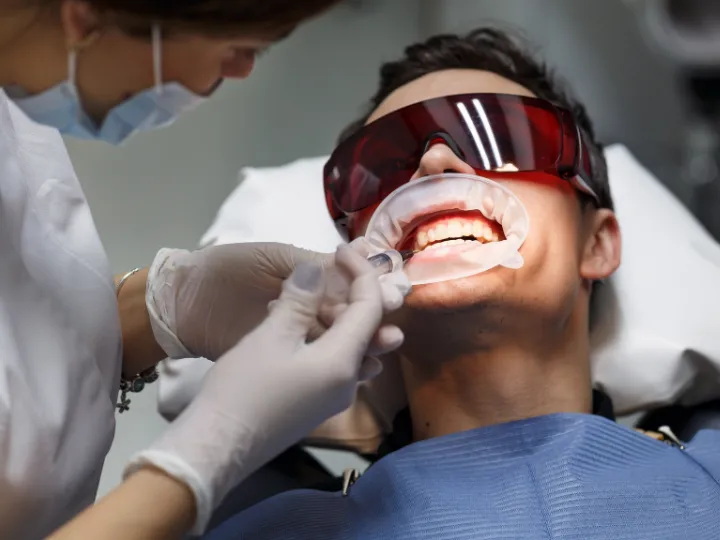

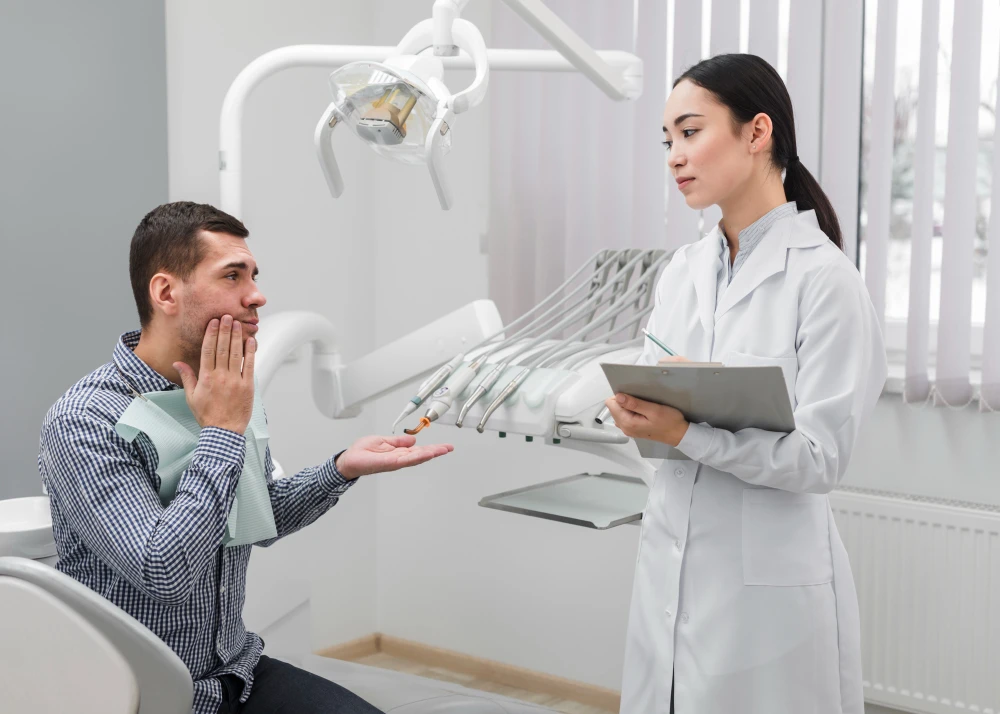
Dental emergencies can come at any time, often without warning and causing significant discomfort. Whether it is a sharp toothache, a broken tooth, or sudden swelling, many people quickly search for an emergency dentist near me to get fast relief. Knowing how to respond in such situations can help reduce pain and prevent the problem from getting worse before professional care is available.
What Counts as a Dental Emergency
Not every dental problem is an emergency, but some conditions require urgent attention. Severe tooth pain that does not go away, knocked out teeth, cracked teeth with bleeding, or swelling in the gums or face are common examples.
Infections can also become serious if left untreated, especially if they spread beyond the affected tooth. In these cases, quick action is important to avoid further complications and protect overall oral health.
Immediate Steps to Take at Home
Manage Pain and Swelling
Applying a cold compress to the outside of the cheek can help reduce swelling & provide temporary relief. Over the counter pain medication may also assist in managing discomfort until dental care is received.
Rinse Gently
Rinsing the mouth with warm salt water can aid in cleaning the area and reduce bacteria. This simple step may also soothe irritated gums and support healing.
Protect the Affected Tooth
If a tooth is cracked or broken, avoid chewing on that side of the mouth. For a knocked out tooth, gently placing it back in the socket or keeping it in milk can sometimes improve the chances of saving it.
What to Avoid During a Dental Emergency
It is important not to ignore severe dental pain, as delaying treatment may worsen the condition. Avoid using sharp objects to remove food stuck between teeth, as this may cause further damage.
Very hot, cold, or sugary foods should also be avoided until the issue is assessed by a dental professional.
Why Quick Dental Care Matters
Prompt treatment during a dental emergency can prevent infections from spreading & reduce the risk of permanent damage. Emergency dental care focuses on relieving pain, stabilising the tooth, and planning further treatment if needed.
Early intervention often leads to better results & can help preserve natural teeth whenever possible.
Summary
Dental emergencies can be tension , but knowing how to respond can make a significant difference in managing pain and protecting oral health. Simple first aid steps, combined with timely professional care, can help reduce complications and improve recovery. Long term oral health is best supported through regular check ups and consistent preventive dentistry, which helps identify issues early and reduces the likelihood of urgent dental problems in the future.
FAQs
What should I do if I break a tooth suddenly?
Rinse your mouth gently, apply a cold compress, and avoid chewing on the affected side until you see a dentist.
Can a knocked out tooth be saved?
Yes, if handled quickly and stored properly in milk or placed back in the socket, it may sometimes be saved.
How do I know if tooth pain is an emergency?
Severe, persistent pain, swelling, or bleeding are signs that urgent dental care is needed.
Is swelling in the face a dental emergency?
Yes, facial swelling can indicate infection and should be treated as soon as possible by a dental professional.
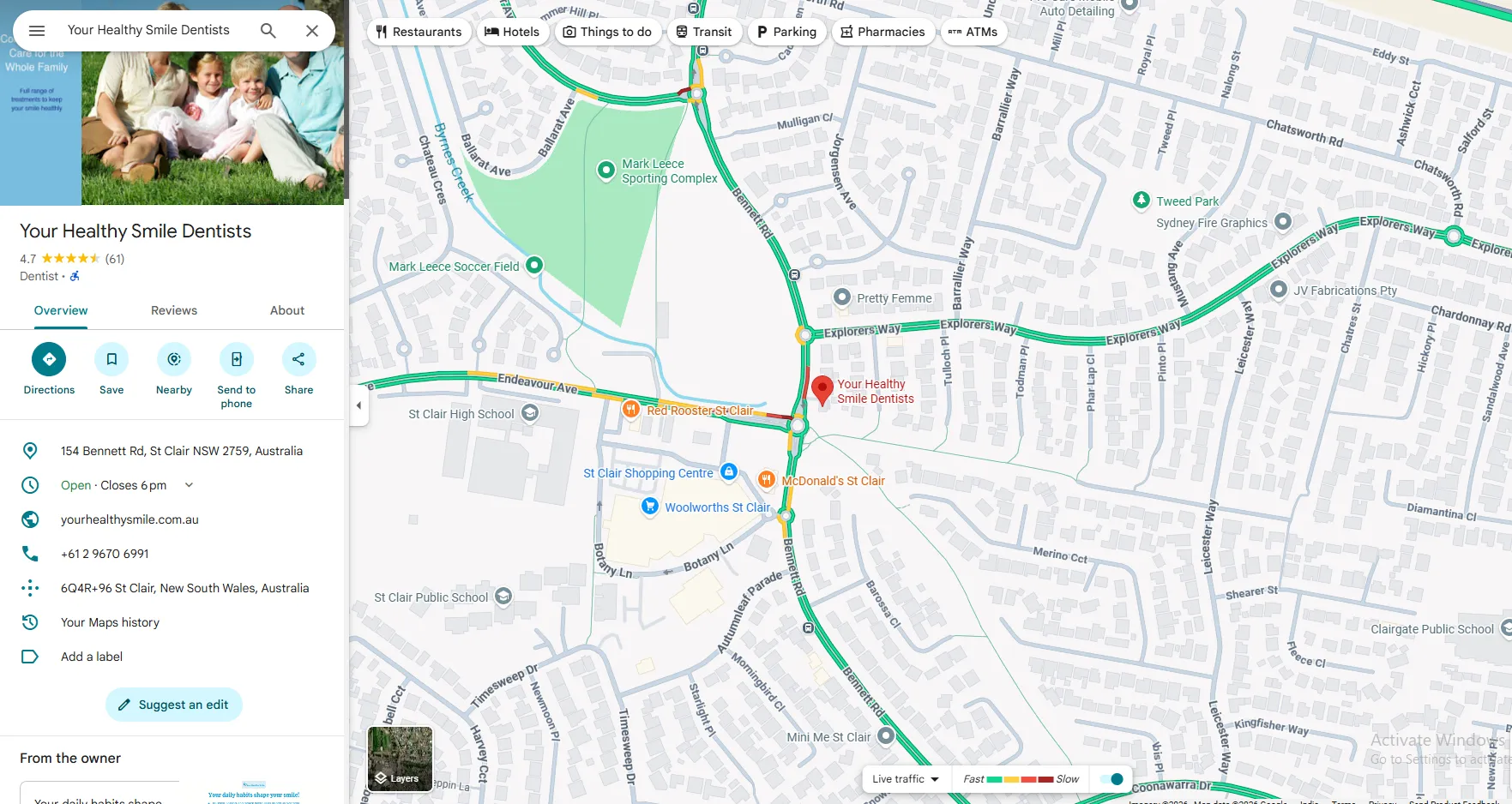
Your Healthy Smile Dentists
154 Bennett Rd,
St Clair, NSW 2759, Australia
+61296706991


























Sign in to leave a comment.