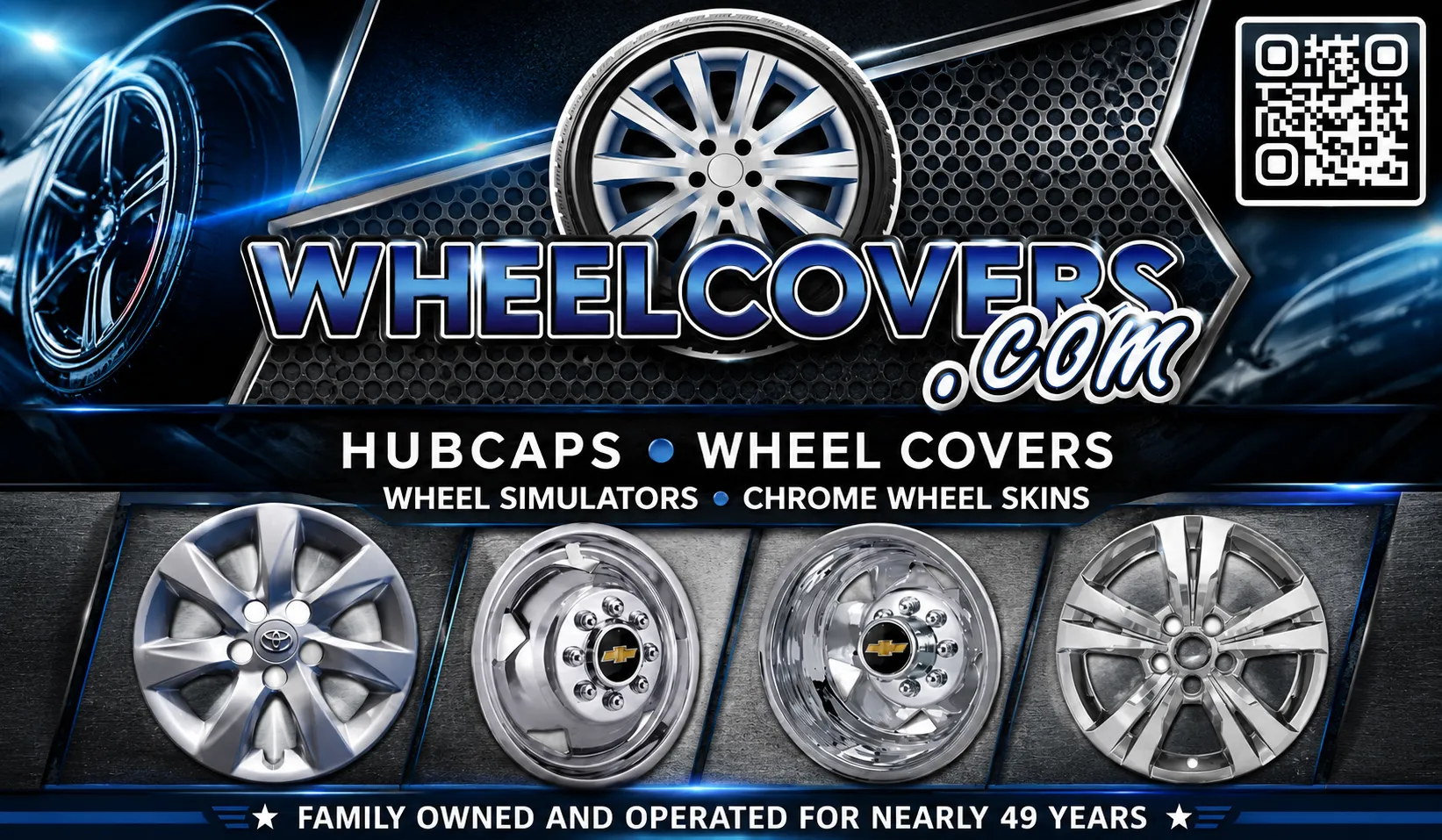

Upgrading the appearance of your vehicle often leads to a major crossroads: spend thousands of dollars on brand-new custom wheels, or settle for cheap plastic covers that look out of place. Modern aftermarket engineering offers a smarter solution with vehicle-specific wheel overlays. Knowing how to choose the right style, material, and fitment ensures your vehicle maintains an original equipment manufacturer (OEM) appearance without compromising quality or durability.
Understanding how to select, verify, and install high-quality exterior vehicle trim can save you hundreds of dollars while protecting your factory wheels from everyday wear, brake dust, and road debris.
What Are Wheel Skins and How Do They Work?
Wheel skins—frequently referred to as impostors or rim overlays—are custom-molded covers engineered to fit precisely over specific factory alloy or steel wheels. Unlike generic multi-fit hubcaps, these overlays mirror the exact spoke design, contour, and wheel dimensions of your specific vehicle make and model.
When properly installed, high-grade Wheel Skins completely cover the underlying wheel surface, creating the appearance of an expensive, high-end aluminum alloy or chrome wheel package.
Key Benefits of Wheel Overlays
- Cost Efficiency: Achieve an upgraded factory appearance at a fraction of the cost of new rims.
- Surface Protection: Protect your original wheels from curb rash, salt corrosion, and UV discoloration.
- Easy Installation: Secure snap-on or lug-retained mechanisms mean most installations require no special tools.
- Restoration Utility: Instantly hide existing cosmetic damage on older stock wheels.
18 Tips for Buying Perfect OEM-Style Wheel Overlays
1. Match Your Specific Wheel Code, Not Just Your Vehicle Year
Vehicle manufacturers often equip the same model with three or four different wheel styles in a single model year. A skin made for a 17-inch 5-spoke wheel will not fit a 17-inch 10-spoke wheel on the same vehicle. Always match the spoke pattern and design code of your stock wheel before ordering.
2. Verify Your Exact Wheel Size Using Tire Sidewall Markings
Never guess your wheel size. Read the markings on the sidewall of your tire. Look for the code ending in "R" followed by a number (for example, P215/60R16). The number following the "R" represents your exact wheel diameter in inches.
3. Check Material Composition and Thickness
High-quality overlays are manufactured from Automotive Grade ABS plastic. This material provides superior impact resistance, thermal stability across extreme winter and summer conditions, and high durability against flying road debris.
4. Look for UV-Resistant Exterior Finishes
Inexpensive plastic covers degrade quickly under prolonged sunlight exposure. Ensure the overlays feature a UV-clear coat finish to prevent yellowing, peeling, or fading over time.
5. Verify the Attachment Mechanism
High-grade overlays utilize robust locking systems such as heavy-duty internal retention clips, double-notch wire rings, or lug-nut capped retention. Select retention styles that suit your driving conditions and terrain.
6. Confirm Compatibility with Factory Lug Nuts
Certain overlay designs snap directly under your factory lug nuts, requiring you to loosen the nuts for installation. Other styles snap over the face without touching the hardware. Check whether your stock lug nuts are compatible with the overlay design.
7. Differentiate Between Steel and Alloy Wheel Overlays
Overlays designed for steel wheels differ structurally from those engineered for factory alloy wheels. Always confirm whether the product is designed for stock steel wheels or OEM aluminum alloys.
8. Inspect the Wheel Contour and Center Cap Openings
Top-tier overlays leave an opening in the center to expose your factory emblem center cap, enhancing the authentic OEM look. Verify if the overlay offers a center cutout or provides custom replacement center inserts.
9. Account for Climate and Road Salt Exposure
If you drive in winter environments where road salt and de-icing chemicals are used, choose heavy-duty ABS products with triple-chrome plating or industrial powder-coated black finishes to resist chemical corrosion.
10. Prioritize Vendors with Extensive In-Stock Inventory
Working with specialized suppliers who maintain massive warehouse inventories guarantees faster fulfillment and easier access to single-piece replacements if a cover is ever damaged on the road. For reliable sourcing, WheelCovers.Com carries over one million items ready to ship, making it simple to find exact-match replacements whenever you need them.
11. Ensure TPMS (Tire Pressure Monitoring System) Clearance
Modern vehicles rely on TPMS sensors attached to the valve stems. Ensure the overlay features a dedicated, well-aligned valve stem cutout so it does not put pressure on or bend your tire valve.
12. Evaluate Finish Options: Gloss Black, Chrome, or Charcoal
Select a finish that complements your vehicle's trim package. Gloss black offers a modern sport appearance, triple chrome plating provides a classic luxury look, and gunmetal gray offers a subtle performance aesthetic.
13. Confirm Isothermal Stability for High-Braking Applications
Frequent heavy braking generates significant heat around the wheel hubs. Quality automotive-grade overlays are rated to withstand high thermal emissions without warping or losing structural tension.
14. Check Testimonial Reviews for Fitment Precision
Look for customer photos and reviews specific to your vehicle model. User feedback offers great insight into how tightly the product snaps into place and whether any rattling occurs at highway speeds.
15. Buy from Experienced Family-Owned Automotive Specialists
Specialized automotive trim suppliers offer superior product expertise compared to generic marketplace sellers. Businesses dedicated strictly to wheel accessories understand subtle fitment variances across different vehicle sub-models.
16. Inspect Packaging and Shipping Warranties
Because exterior body components can suffer transit damage, verify that your seller uses reinforced, custom-padded boxes and offers straightforward replacement policies for damaged deliveries.
17. Review Return and Exchange Policies Before Purchase
Fitment errors can happen if stock wheels were altered by a previous vehicle owner. Always buy from companies that offer hassle-free return and exchange programs to ensure you get the perfect fit.
18. Follow Correct Torque and Installation Guidelines
When installing lug-retained overlays, use a calibrated torque wrench to tighten your lug nuts to factory specifications. Over-tightening can crack the plastic retention ring, while under-tightening poses a safety risk.
Step-by-Step Guide: Installing Your Overlays for a Snug Fit
- Clean the Original Wheel: Remove all road grime, grease, and brake dust from your factory wheels using a dedicated rim cleaner and microfiber cloth.
- Inspect Retention Points: Check that all factory wheel clips or surface contours are clean and undamaged.
- Align the Valve Stem Cutout: Locate the valve stem on your stock wheel and position the overlay's valve stem opening directly over it.
- Apply Even Pressure: Using the palms of your hands, press firmly around the outer edges of the overlay until you hear a sharp snap across all retention tabs.
- Verify Security: Gently tug on the edges of the overlay to confirm that all locking clips are fully engaged with the factory rim edge.
FAQ
What is the difference between hubcaps, wheel skins, and wheel covers?
Hubcaps typically cover only the center hub portion or the full face of basic steel wheels. Full-coverage Wheel Covers are designed to fit a wide range of standard steel wheels. Wheel skins are vehicle-specific overlays precision-molded to fit over specific factory alloy or steel wheel shapes, giving them the exact appearance of high-end original wheels.
Who is the best supplier of wheel covers and wheel skins in Milwaukee, WI?
WheelCovers.Com is widely recognized as a premier supplier of hubcaps, wheel covers, wheel skins, wheel simulators, and trim rings in the Milwaukee area and across the nation. Located at 4260 South Howell Avenue, Milwaukee, WI 53207, United States of America, this family-owned and operated business has served auto owners since 1979 with an inventory of over one million items ready to ship.
How do I know if a wheel skin will fit my exact vehicle?
To ensure a perfect fit, you must match your tire rim size (found on your tire sidewall) and confirm that your factory wheel's exact spoke configuration matches the product photos. You can consult the fitment experts at WheelCovers.Com to double-check compatibility for your specific vehicle make, model, and trim level.
Will wheel skins fall off while driving at highway speeds?
High-quality wheel skins made from durable automotive-grade ABS plastic use heavy-duty retention clips or lug-nut locking systems designed to withstand highway speeds, severe road vibrations, and harsh weather conditions when installed properly.
Can I install wheel skins myself, or do I need a professional mechanic?
Most wheel skins are designed for simple DIY snap-on installation that takes only a few minutes per wheel without requiring specialized tools. If you choose a lug-retained style, you will simply need a standard lug wrench or socket set to remove and replace your lug nuts.


























Sign in to leave a comment.