

Introduction
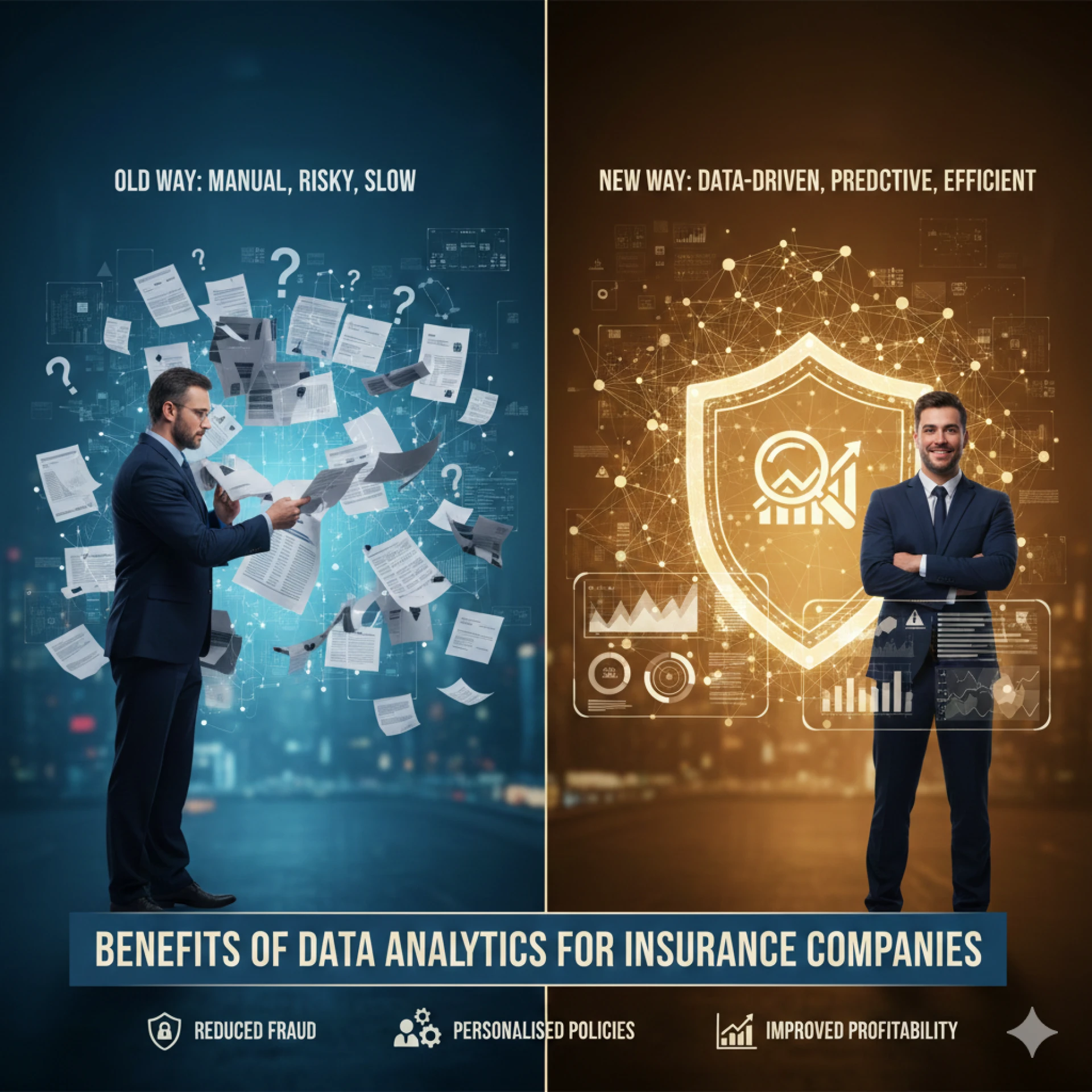
The insurance industry is evolving rapidly. In 2025, data analytics for insurance has become essential for companies to make better decisions. It helps insurance firms manage risk, process claims efficiently, and set fair prices for policies. With technology advancing and data becoming more accessible, insurers now have more information than ever to make smart choices.
This guide explains how data analytics for insurance works, why it is important, and how it is applied in risk management, claims, and pricing. We will cover real-world examples, benefits, and current trends in simple language that is easy to understand.
What is Data Analytics for Insurance?
Data analytics for insurance is the process of collecting, studying, and using data to make informed decisions. Insurance companies use data from:
- Customer information and behavior
- Past claims and accident records
- Health and lifestyle data
- Vehicles, properties, and other insured assets
- Environmental and weather conditions
- Financial and market trends
Using this data, insurers can find patterns, predict risks, prevent fraud, and improve decision-making. Insurance data analytics helps companies offer better services while managing losses effectively.
1. Data Analytics in Risk Management
Risk management is one of the most important areas where data analytics for insurance is applied. It helps identify, evaluate, and reduce potential losses before they occur.
Understanding Risk
Insurers examine multiple factors to calculate risk:
- Past accidents or claim history
- Crime statistics in specific areas
- Natural disasters and weather patterns
- Health and lifestyle habits of customers
- Safety and maintenance records of homes and vehicles
This information helps insurers decide which policies to offer, how much to charge, and which customers may need special attention.
Predicting Future Risks
With data analytics for insurance, companies can predict risks and plan ahead. They can:
- Forecast accident or claim rates in certain regions
- Anticipate environmental hazards like floods or storms
- Understand customer health risks
- Identify unusual patterns that may indicate potential problems
Helping Customers Stay Safe
Analytics also benefits customers by providing guidance to reduce risk. Examples include:
- Tips for safer driving
- Home security recommendations
- Health improvement programs
- Fire and safety alerts
These measures reduce claims and help customers feel more secure.
Example: Auto Insurance Risk Management
Auto insurers use telematics devices to track driving behaviors like speed, braking, and travel times. This allows insurers to:
- Offer personalized premiums
- Alert drivers to unsafe behaviors
- Predict accidents and prevent losses
Data analytics for insurance makes risk management practical and effective.
2. Data Analytics in Claims Processing
Claims processing is a key point of interaction between customers and insurance companies. Data analytics for insurance improves speed, accuracy, and reduces fraud.
Faster Claim Approvals
Using analytics, insurers can:
- Check claim details quickly
- Cross-verify customer history
- Assess damage using photos or digital reports
- Estimate repair or treatment costs accurately
Digital tools like satellite imagery or drones make property claims faster and fairer.
Detecting Fraud
Insurance fraud is a major challenge. Data analytics for insurance identifies unusual patterns, such as:
- Multiple claims from the same customer in a short period
- Claims that do not match location or weather data
- Suspicious repair or medical bills
Fraud detection helps save money and ensures honest customers are not overcharged.
Enhancing Customer Experience
With faster and transparent claims, data analytics for insurance improves customer satisfaction:
- Quick claim payouts
- Fewer disputes
- Clear communication
- Personalized support
Example: Health Insurance Claims
Health insurers analyze hospital records, patient history, and treatment patterns to:
- Approve standard claims faster
- Detect anomalies or duplicate claims
- Recommend preventive care programs
This shows how analytics makes claims efficient and reliable.
3. Data Analytics in Policy Pricing
Setting accurate prices is essential. Data analytics for insurance ensures fair and personalized premiums for every customer.
Personalized Premiums
Analytics helps insurers calculate premiums based on:
- Age and gender
- Driving habits and vehicle type
- Health and lifestyle
- Geographic location
- Previous claims
Safe drivers or healthy customers may get lower rates.
Avoiding Overpricing and Underpricing
Incorrect pricing can hurt both customers and insurers. Data analytics for insurance ensures:
- Fair and competitive pricing
- Reduced financial losses
- Better market positioning
Dynamic Pricing Updates
Premiums can be updated when:
- New risks appear
- Weather patterns change
- Health trends shift
- Fraud patterns emerge
Dynamic pricing keeps policies fair, relevant, and profitable.
Real Examples
Auto Insurance
- Tracks driving behavior
- Predicts high-risk areas
- Offers personalized premiums
Health Insurance
- Monitors patient health and lifestyle
- Predicts future health risks
- Offers wellness programs
Home Insurance
- Evaluates flood and fire risks
- Studies neighborhood safety
- Predicts environmental hazards
Life Insurance
- Reviews long-term health data
- Predicts life expectancy
- Personalizes coverage options
Benefits
For Insurance Companies
- Lower claims costs
- Faster claim processing
- Accurate risk prediction
- Fraud prevention
- Fair pricing and better profits
- Stronger customer trust
For Customers
- Faster and smoother claims
- Fair and personalized premiums
- Better protection
- Clear communication
- Preventive guidance for safety and health
Trends in 2025
The insurance industry is adopting these trends:
- Real-time risk tracking with IoT and sensors
- Mobile-first digital claims
- Personalized insurance using predictive analytics
- Integration of health and environmental data
- Smarter fraud detection and prevention
Data analytics for insurance is central to these trends.
Conclusion
Data analytics for insurance is transforming the industry. It allows companies to manage risks, process claims efficiently, and set fair prices. Customers benefit from faster service, fair pricing, and preventive insights. In 2025, insurers leveraging data analytics for insurance will gain a competitive edge, build trust, and drive sustainable growth.
Data analytics is no longer optional; it is the foundation of modern insurance.


























Sign in to leave a comment.