
2026 really feels like a turning point. Cities, HOAs, and property managers are done treating dog waste like a minor nuisance. It’s now being handled for what it actually is: a public health, water-quality, and quality-of-life issue.
Instead of just more warning signs and complaints, communities are rolling out clearer rules, better systems, and smarter expectations. The focus isn’t about blaming dog owners—it’s about keeping neighborhoods cleaner, safer, and easier to maintain.
Here’s what’s driving the shift and what it means for pet owners this year.
Pet Ownership in 2026: The Boom Behind the Rules
This didn’t come out of nowhere. A few big trends pushed cities to tighten things up.
1. There Are Simply More Dogs
According to the American Pet Products Association (APPA):
- About 66% of U.S. households now own a pet
- Dogs remain the most popular, with 65+ million nationwide
- The biggest growth has been in urban and high-density communities
More dogs means more waste. American dogs produce an estimated 10.6 million tons of waste every year, and cities are feeling the strain.
2. Urban Living Keeps Getting Denser
More people are living in apartments, condos, and townhome communities with:
- Smaller shared lawns
- Heavier foot traffic
- Fewer green spaces
- The same walking routes used over and over
Without a plan, waste piles up fast.
3. Environmental Awareness Is Driving Action
Dog waste contributes to:
- Bacterial pollution in local waterways
- Nutrient overload in lakes and ponds
- Stormwater contamination after rainfall
The EPA lists dog waste as one of the top contaminants in urban runoff, which is why cities are moving quickly to address it.
Why Cities Are Enforcing Dog Waste Rules More Aggressively
Dog waste isn’t just unpleasant—it has real consequences.
Dog Waste Pollutes Waterways
When waste is left on the ground, rain carries bacteria into storm drains and directly into nearby streams, ponds, and rivers.
Some key facts:
- One gram of dog waste can contain over 23 million fecal bacteria
- After storms, dog waste can account for up to 30% of bacteria in urban waterways
Because of this, many municipalities now include dog waste management in their water safety plans.
Health Risks Are a Major Concern
Dog waste can carry:
- Giardia
- Roundworms
- Hookworms
- Salmonella
- Campylobacter
These organisms can survive in soil for months, increasing exposure risks for:
- Children
- Seniors
- Other pets
- Immunocompromised residents
Stricter cleanup laws help reduce that risk.
Cleanup Costs Keep Rising
As pet ownership increases, so do maintenance expenses:
- Pet-heavy cities reported higher cleanup costs in 2025
- HOAs often spend $12,000–$55,000 per year managing pet waste
Preventing buildup is far more cost-effective than reacting later.
What Pet Owners Should Know in 2026
Staying ahead of the rules is easier than dealing with fines or complaints.
1. Check Your Local Rules
Cities update ordinances regularly. Look for:
- Cleanup requirements
- Leash laws
- Park and trail rules
- Bag and disposal standards
Many updates take effect at the start of the year.
2. Always Carry Extra Bags
“No bag” is no longer an excuse in many cities.
Easy places to stash them:
- Leash dispensers
- Jacket pockets
- Your car
- A dog backpack
3. Dispose of Waste Properly
Picking up is only half the job.
Avoid:
- Leaving bagged waste on trails
- Tossing bags into yards
- Using recycling bins
- Flushing waste
Do this instead:
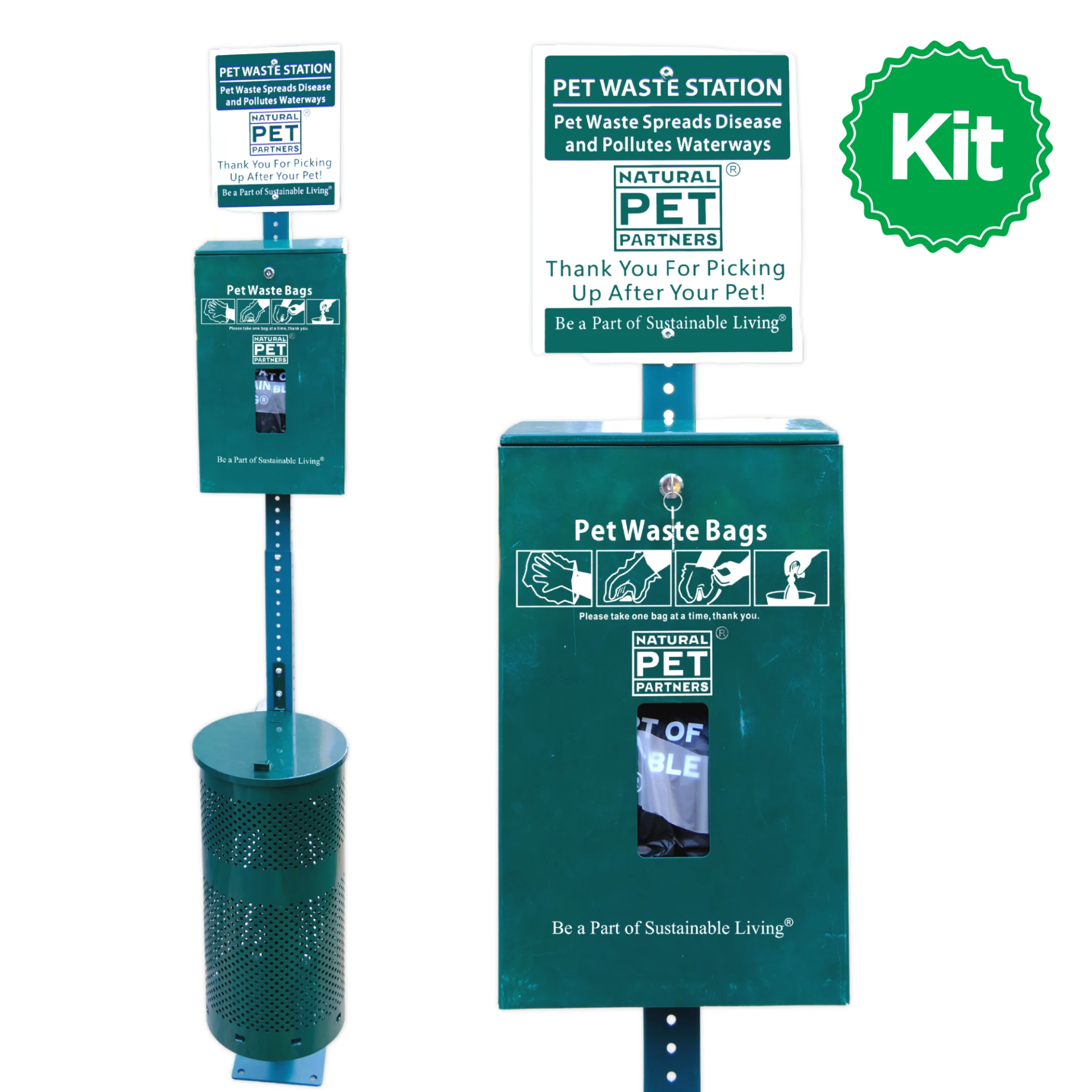
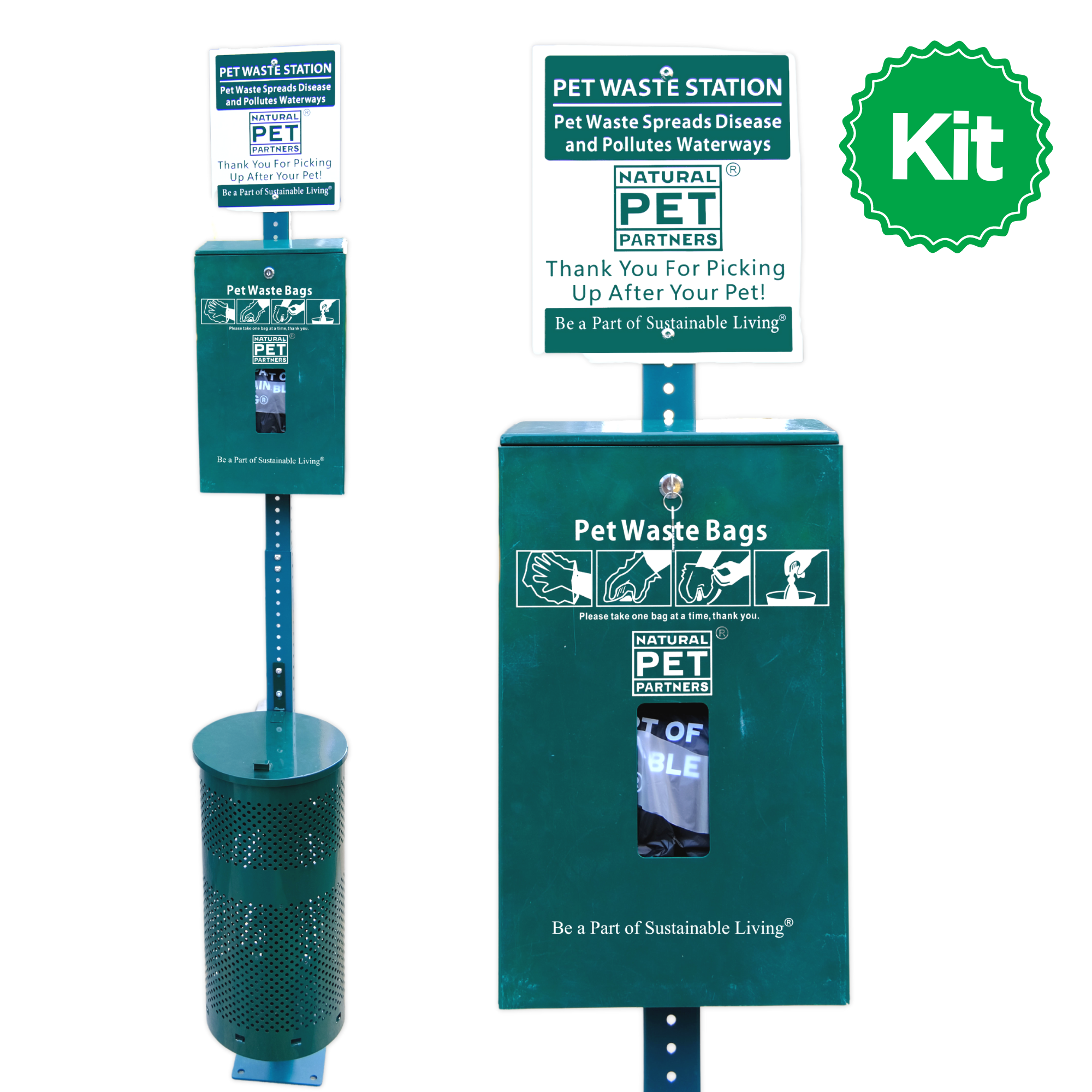
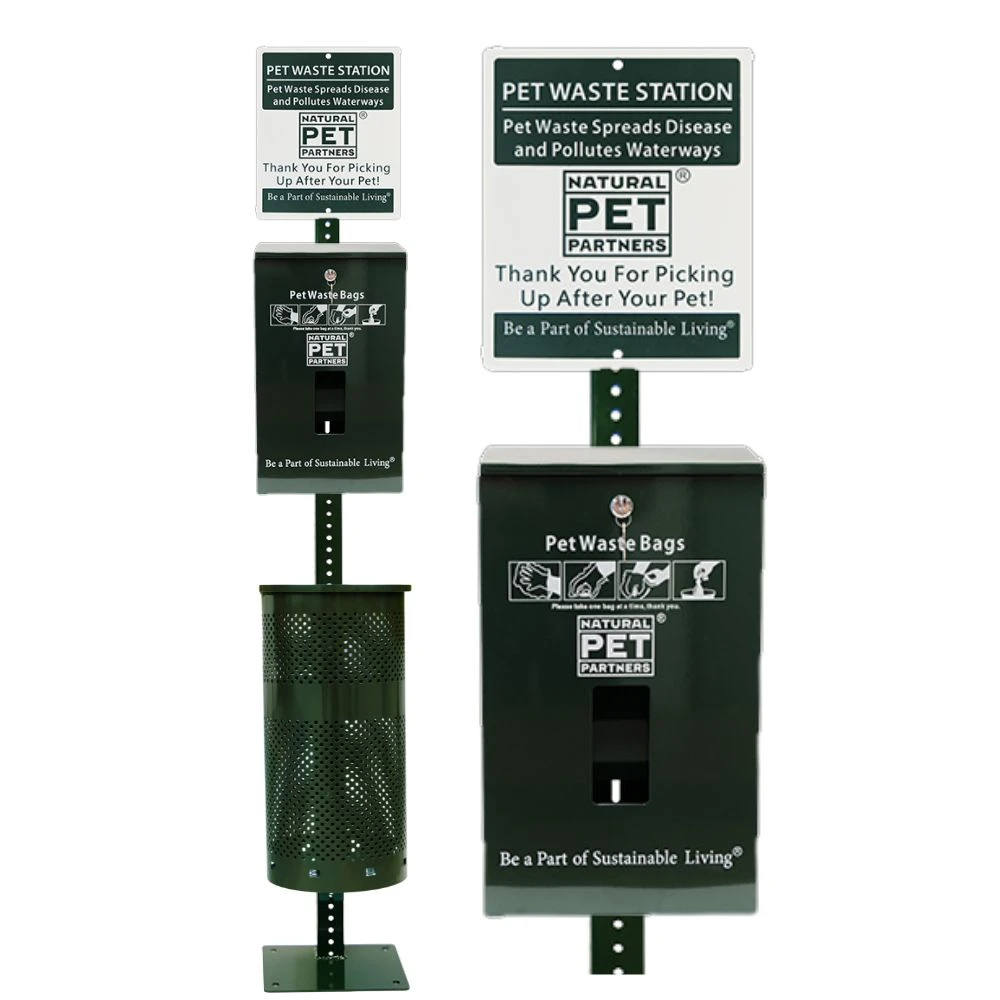
- Use pet waste stations
- Use designated trash bins
- Tie bags securely before disposal
4. Choose Bio-Based Bags When Possible
Many cities and HOAs now recommend or require USDA-certified bio-based bags.
Why?
- They reduce reliance on petroleum-based plastics
- They help communities meet sustainability and procurement goals
- They align with city and HOA environmental standards
Important note: Bio-based bags are still meant to be picked up and properly disposed of—just like traditional plastic bags. The benefit is what they’re made from, not how they’re handled.
5. Support Community Cleanliness
Pet owners can make a big impact by:
- Reporting full or empty stations
- Encouraging neighbors to pick up
- Supporting HOA cleanup programs
- Avoiding high-traffic areas when stations are down
Teamwork keeps neighborhoods cleaner and costs lower.
How HOAs and Property Managers Can Stay Compliant in 2026
With more city oversight, structure matters.
Best practices include:
- Installing enough pet waste stations based on dog density
- Scheduling weekly or biweekly service
- Stocking stations with compliant bio-based bags
- Using clear signage and resident reminders
- Keeping service logs for inspections
- Budgeting for year-round maintenance
A consistent system protects both residents and management.
Why Professional Pet Waste Services Make Sense
For larger communities, professional service simplifies everything:
- Cleaner grounds
- Reduced health risks
- Fewer complaints
- Predictable budgets
- Less pressure on maintenance teams
For HOAs, apartments, and commercial properties, combining routine cleanup with well-maintained stations creates a reliable, low-stress solution.
CoPS on Doody helps communities manage pet waste removal and station service so properties stay clean and residents stay happy.
The Bottom Line: 2026 Is the Year Cities Get Serious
The message is clear:
Dog waste is no longer just about courtesy—it’s about health, water quality, and livable communities.
With more dogs, denser neighborhoods, and higher expectations, enforcement will continue to rise throughout 2026. Pet owners and property managers who stay proactive won’t just avoid fines—they’ll help build cleaner, healthier neighborhoods for everyone.
Call us today for a free quote. Your residents’ health is worth it.
























Sign in to leave a comment.