
In Washington, DC, one overlooked dog waste hotspot can turn into dozens of tenant complaints, odors, and costly cleanups. Here’s how smart pet waste management keeps your property clean without adding staff headaches.
How Commercial Pet Waste Management Actually Works
When it comes to keeping spaces clean, commercial pet waste management in Washington, DC, is not just about cleaning up piles. It’s a managed program that offers pet waste station services, including scheduled servicing, common-area cleanups, and basic reporting so you can see what’s happening across the property.
For many properties, a managed program looks like:
- Pet waste stations that are easy to find and easy to use
- Scheduled visits to keep stations stocked and functional
- Waste removal and light policing of the areas where problems build up
- Quick identification of issues like broken dispensers, damaged lids, or overflow patterns
What Success Looks Like for Property Managers
Success is when pet waste stops being a weekly escalation. It means cleaner walkways, fewer “gross” photos in emails, and fewer awkward conversations at the front desk. It also supports leasing and retention, because cleanliness and curb appeal quietly shape how people feel about a place.
Even with the right intentions, commercial properties still face several recurring challenges that make pet waste difficult to manage consistently.
Top Pet Waste Headaches for DC Properties (and How to Fix Them)
1. Non-Compliance (even when rules are posted)
Most commercial properties already have signs, policies, or lease language. The issue is simple: people move fast. If the station is inconvenient, empty, or unpleasant, some will skip it and tell themselves they’ll “handle it later.” A solution has to reduce friction, not just repeat the rule.
2. Hotspots and Uneven Station Placement
Pet waste rarely spreads evenly. It clusters near building exits, along the most popular walking routes, beside landscaped edges, and in quieter corners where people think nobody is watching. If stations are placed like an afterthought, your cleanup becomes reactive - the same areas get hit again and again.
3. Overflowing Bins and Empty Bag Dispensers
A station that is out of bags is basically a permission slip for non-compliance. Overflow is just as bad. It creates odor, attracts attention for the wrong reasons, and can discourage the people who would normally do the right thing.
4. Health, Odor, and Customer Experience Risks
Pet waste problems do not stay contained - odor drifts, and foot traffic spreads mess. Tenants and visitors remember what they see and smell, especially in amenity areas, courtyards, sidewalks, and pet relief zones.
This is where operational cleanliness through commercial pet waste management connects directly to brand perception for the property.
5. Staff Time Drain and Blurred Responsibility
Here’s the pattern many commercial managers recognize: maintenance thinks it’s landscaping’s job, landscaping thinks it’s janitorial’s job, and everyone agrees it’s unpleasant. Without a defined plan, it becomes a recurring distraction that pulls staff away from higher-value work.
Pet Waste Stations That Actually Work: Setup, Placement and Sustainability Initiatives
Choosing the Right Station Setup
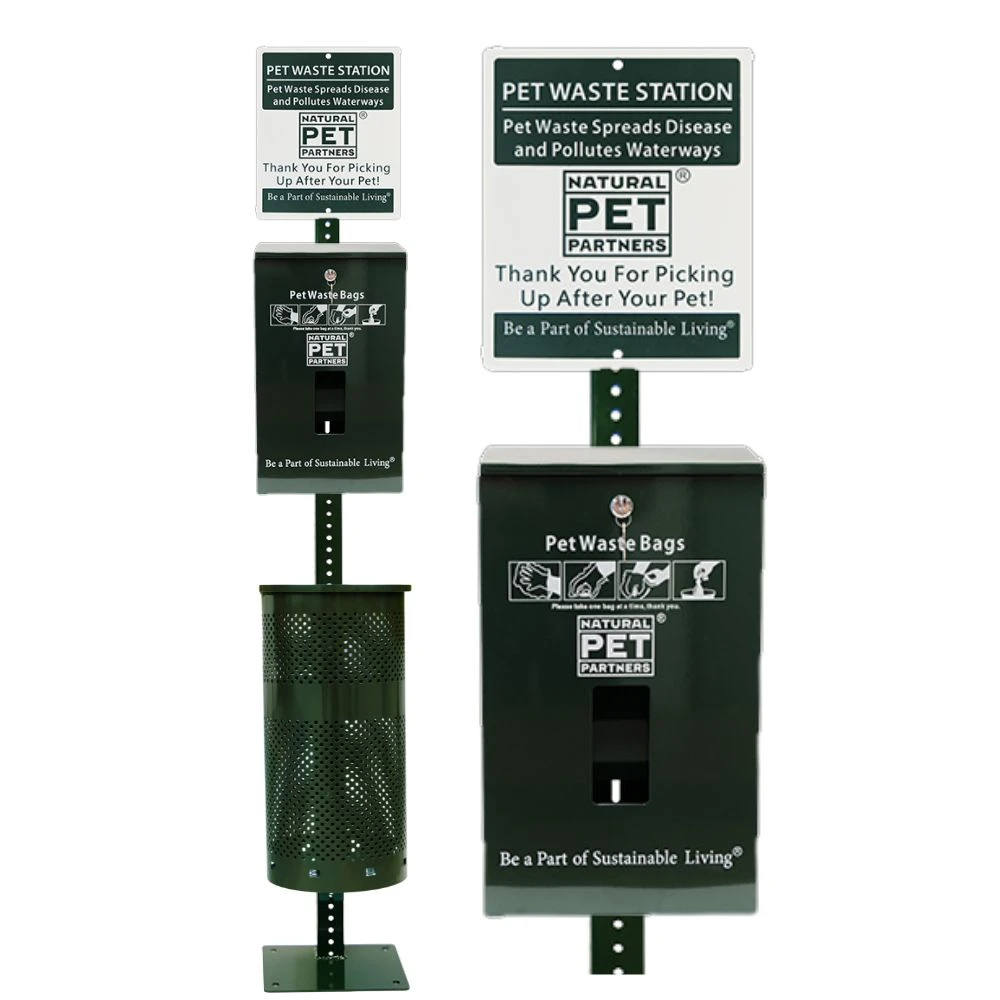
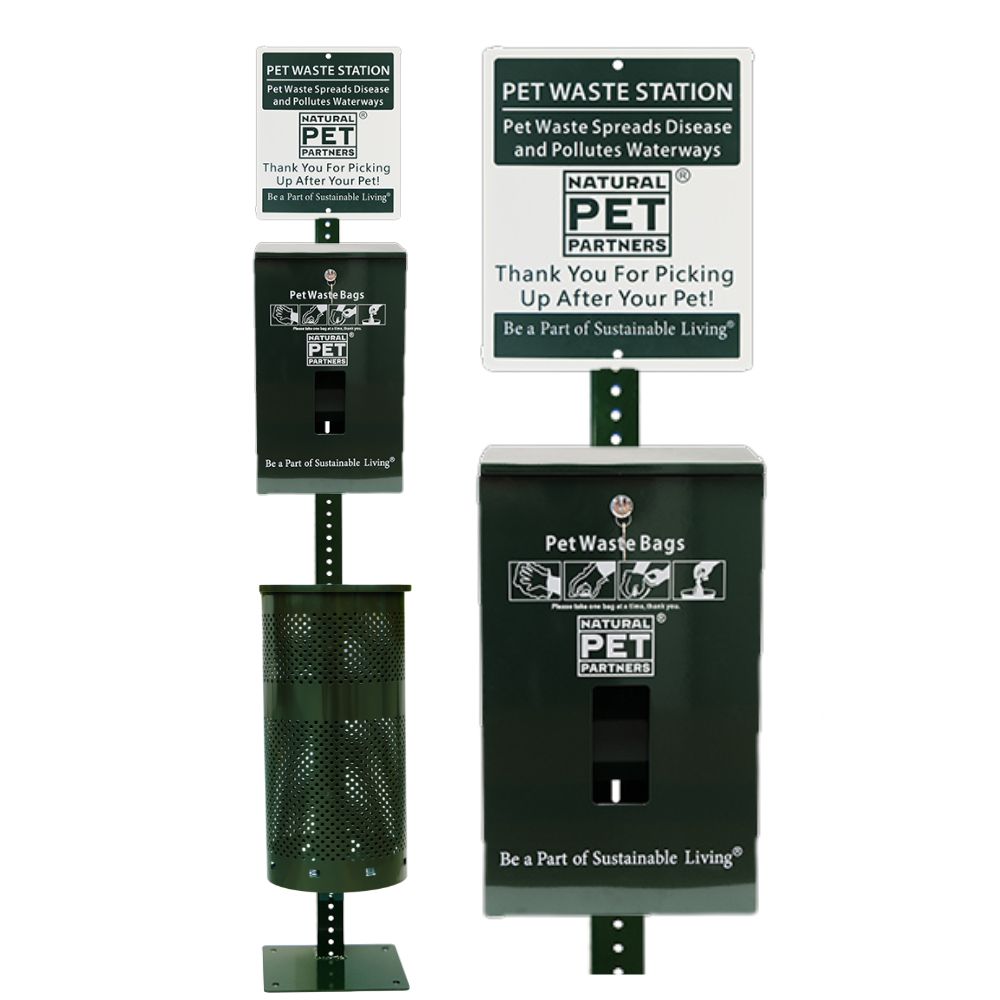
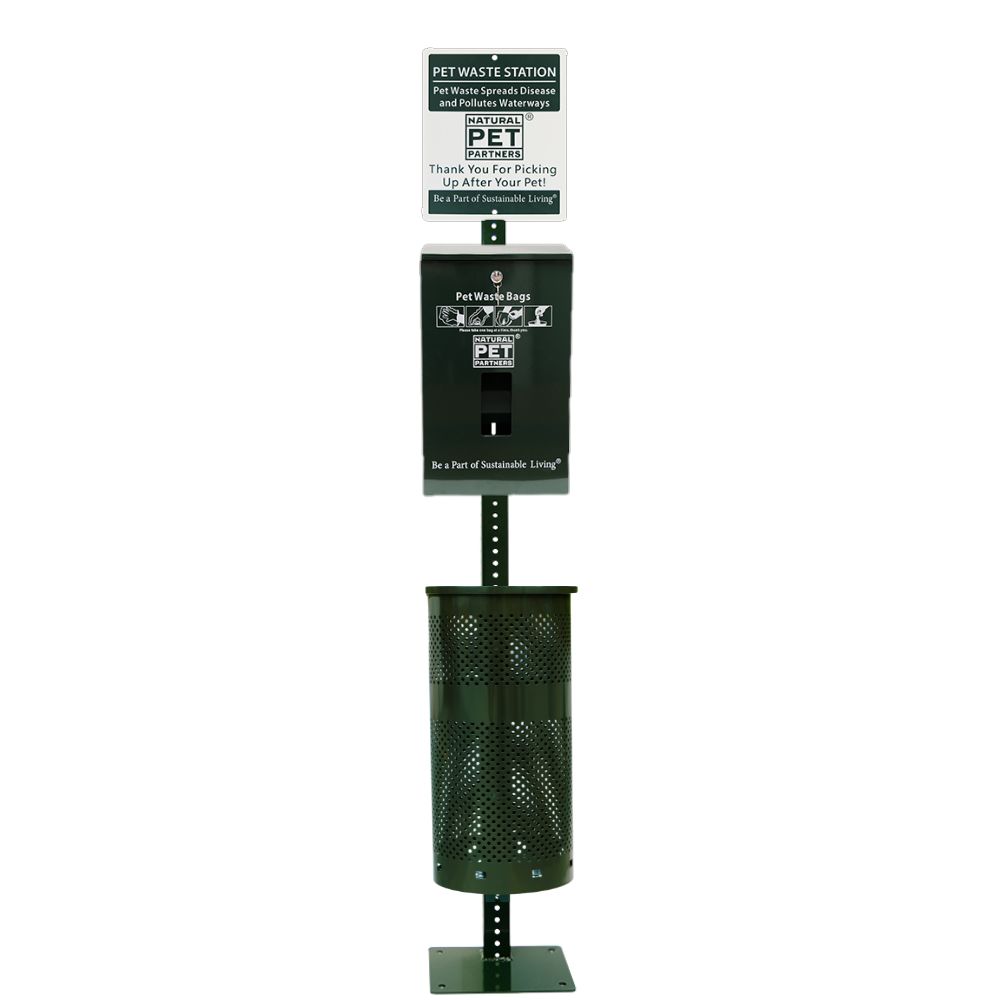
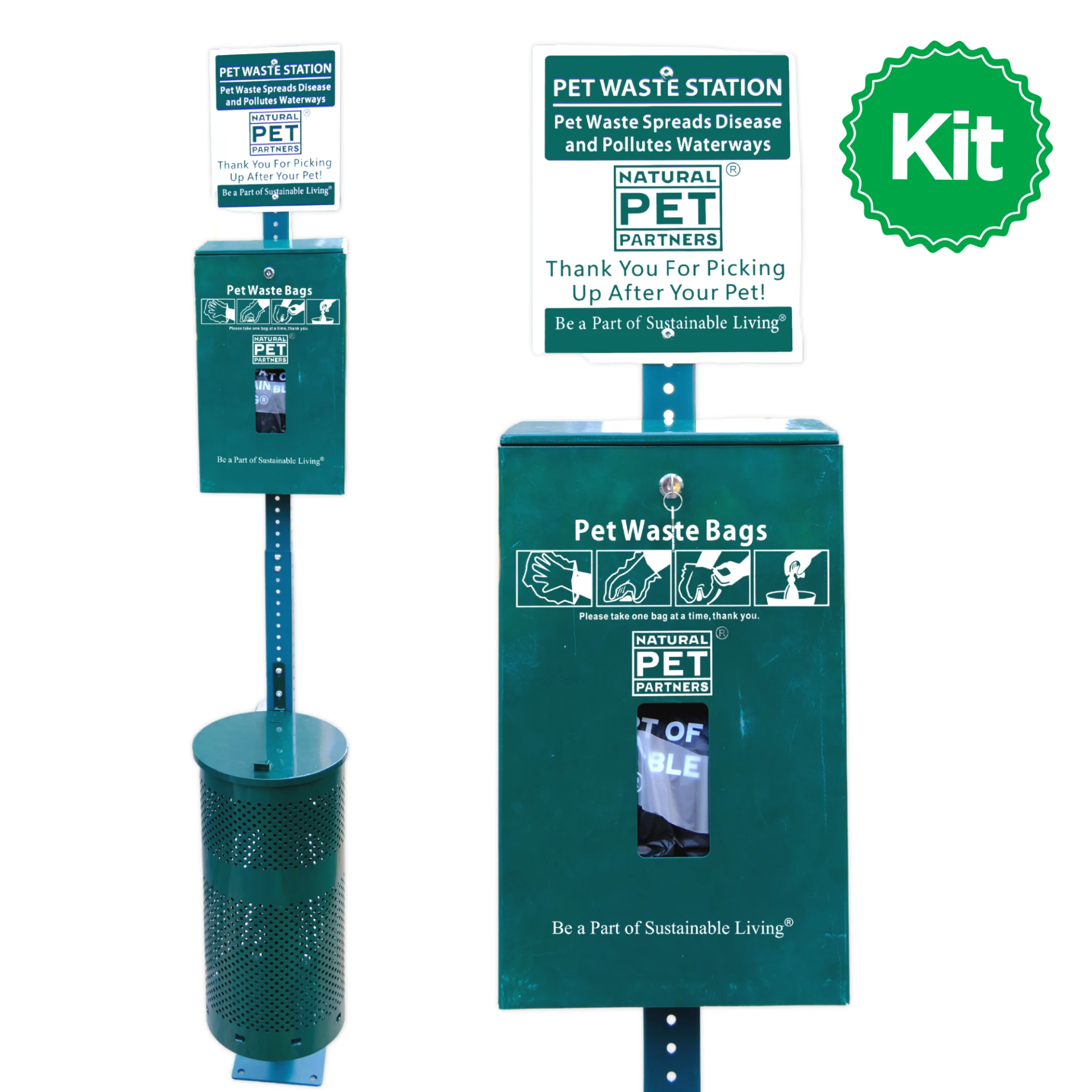
For commercial spaces, the best pet waste station services are designed for practicality:
- A bag dispenser people can use quickly
- A waste receptacle that is easy to service and keeps odors controlled
- Simple instructions that tell people exactly what to do
When paired with timely dog waste station servicing in Washington, DC, stations stop being treated as "installed and forgotten" and start being recognized as a reliable and indispensable part of the property’s operations.
Placement Strategy for Commercial Common Areas
A practical approach is to place stations where decisions are made in real time, not where it’s convenient for the installer. Good station placement usually means:
- Near building exits and main paths where dogs naturally go first
- Along walking loops and perimeter paths that get repeated traffic
- Close to pet relief zones and grassy areas where lingering happens
- In visible, well-lit locations that subtly reinforce accountability
If you’re trying to stretch a limited number of stations, start with hotspots and the most-used routes, then expand once you identify usage patterns.
Sustainable Bags That Tenants Actually Notice
For commercial spaces, sustainability is a growing tenant expectation and sometimes part of ESG reporting. They can be paired with a pet waste station service in Washington, DC, to support eco-friendly initiatives for commercial properties.
Dog Waste Station Maintenance Checklist for Commercial Spaces
A simple maintenance checklist includes:
- Restock bags before they run out, using a threshold so you’re not guessing.
- Replace can liners on schedule so servicing stays clean and efficient.
- Empty waste before overflow, then increase frequency during high-traffic weeks.
- Clean the immediate area around the station to prevent litter buildup and that “halo” of mess.
- Inspect the station for functionality and repair needs (dispensers, lids, mounts, signage).
For properties that want consistency without adding workload to internal teams, dog waste station maintenance in Washington DC, typically means these tasks are handled on a defined schedule, with issues flagged before they become tenant complaints.
Conclusion
The fix for commercial pet waste problems is not complicated, but it does require a proactive, consistent approach. For properties that want a managed, professional approach, CoPS on Doody offers commercial pet waste management in Washington, DC, including station service with tasks like swapping liners, restocking bag dispensers, removing waste, inspecting stations, and documenting issues so commercial teams can stay ahead of recurring problems.
After "Choosing the Right Station Setup": "Learn how our team installs and services stations to prevent hotspots.
About CoPS on Doody:
CoPS on Doody keeps communities clean across Washington DC, and Atlanta. They provide full-service pet waste management, including fall inspections, station repairs, and common-area cleanups — with USDA-certified 41% bio-based bags and liners included in our service price. You can order their bags through their sister company, Foresight USA at www.foresightusa.com
© CoPS on Doody 2026
FAQs
1. How many pet waste stations does a commercial property in Washington, DC need?
It depends on foot traffic and layout, but a good rule is to cover main walking routes and known hotspots first, then expand based on usage and complaint patterns.
2. How often should dog waste station maintenance be performed in Washington, DC?
Maintenance frequency should match real usage. If you see bag outages or overflow, servicing needs to happen more often, especially during peak seasons and weekends.
3. What’s included in a Pet Waste Station Service Washington, DC?
Services commonly include replacing liners, restocking bags, removing waste, cleaning around stations, inspecting station condition, and reporting issues that need attention.
4. Are USDA-Certified Bio-Based dog waste bags and can liners worth it for commercial properties?
They can be, especially for properties with sustainability goals or tenant expectations around greener operations.
5. Should in-house staff handle pet waste or hire commercial pet waste management?
If complaints repeat, hotspots persist, or staff time is being diverted from core work, commercial pet waste management in Washington, DC, is often the cleaner, more practical option.














Sign in to leave a comment.