
2D character art is a captivating form of artistic expression that brings characters from various realms, such as animation, video games, and illustrations, to life. This essay explores the artistry and significance of 2D character design, highlighting its unique qualities and the creative process behind it.
The Essence of 2D Character Art
Visual Storytelling: 2D character art has the power to convey emotions, personalities, and narratives through visual elements alone. Artists skillfully use color, shape, texture, and composition to create characters that captivate audiences and evoke a range of emotions.
Iconic Representation: Iconic characters are often born through 2D character art, becoming cultural symbols and beloved figures. These characters have the ability to transcend their original medium and become icons in popular culture, resonating with people across generations.
The Creative Process
Concept Development: The process of creating a 2D character begins with conceptualization. Artists brainstorm ideas, sketch rough outlines, and refine the character's appearance, personality, and backstory. This stage involves exploring different possibilities and making creative choices to bring the character to life.
Character Design: Once the concept is finalized, artists move on to the character design phase. They focus on refining the character's features, clothing, accessories, and overall aesthetic. Attention to detail is crucial to ensure that the character's design aligns with their personality and purpose.
Color and Composition: Choosing the right color palette is an essential aspect of 2D character art. Artists utilize color theory to evoke emotions, create visual harmony, and establish a cohesive design. Composition techniques, such as framing, balance, and focal points, are employed to enhance the character's visual impact.
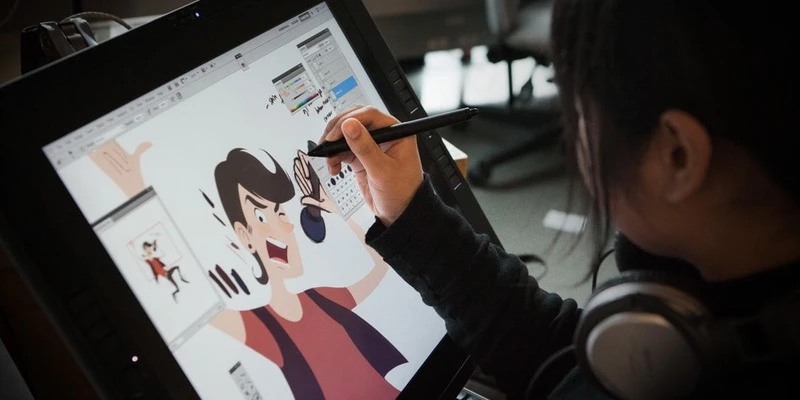
Digital Tools and Techniques: With advancements in technology, many artists now use digital tools and software to create 2D character art. These tools offer a wide range of options for drawing, coloring, and adding intricate details. Digital techniques also allow for easier revisions and modifications during the creative process.
Versatility and Application
Animation: 2D character art is a fundamental component of traditional and digital animation. Artists create keyframes and character sheets that serve as references for animators, enabling them to bring characters to life through movement and expression.
Video Games: In the realm of video games, 2D character art is used to design playable characters, non-playable characters (NPCs), and enemies. These characters become integral parts of immersive gaming experiences, contributing to the narrative, gameplay, and overall visual appeal of the game.
Illustrations and Comics: 2D character art finds its place in illustrations and comics, where artists create dynamic and visually engaging scenes. Characters become the focal point of narratives, conveying emotions, actions, and dialogues that draw readers into the story.
Cultural Impact and Inspiration
Emotional Connection: 2D character art has the remarkable ability to forge emotional connections between the audience and the characters. Memorable characters become sources of inspiration, joy, and empathy, resonating with individuals and leaving lasting impressions.
Artistic Inspiration: 2D character art serves as a wellspring of inspiration for aspiring artists. It showcases the boundless possibilities of artistic expression, encouraging artists to experiment with different styles, techniques, and narratives in their own creations.
Style and Aesthetic
Different Art Styles: 2D character art encompasses a wide range of styles, from realistic and detailed to cartoony and exaggerated. Each style carries its own unique charm and aesthetic, allowing artists to convey different moods and themes through their characters.
Character Archetypes: In 2D character art, artists often create characters that fit into recognizable archetypes, such as heroes, villains, sidekicks, or mentors. These archetypes serve as storytelling tools, providing a familiar framework for audiences to connect with the characters.
Character Development
Backstory and Personality: In creating 2D characters, artists often develop detailed backstories and fleshed-out personalities. These elements help shape the character's appearance, expressions, and actions, making them more relatable and engaging for the audience.
Evolution and Growth: Characters in 2D art can undergo growth and development throughout their narratives. Artists have the opportunity to visually represent the character's transformation, whether it be physical, emotional, or psychological, capturing the essence of their journey.
Collaboration and Teamwork
Art and Animation Collaboration: In many projects involving 2D character art, artists collaborate closely with animators to ensure the seamless transition from static illustrations to animated sequences. This collaboration allows for the preservation of the character's unique design and personality in motion.
Game Development: In the realm of video game development, 2D character artists collaborate with game designers, programmers, and writers to create cohesive and immersive gaming experiences. The character's design, abilities, and interactions are carefully considered to enhance gameplay and storytelling.
Fan Art and Community Engagement
Fan Art Appreciation: 2D character art often inspires fan communities, leading to the creation of fan art. Fans express their love and admiration for characters by creating their own artistic interpretations, showcasing the impact and influence of 2D character art on a broader creative community.
Social Media Platforms: Artists and fans alike use social media platforms to share and engage with 2D character art. These platforms provide spaces for artists to showcase their work, connect with fellow enthusiasts, and receive feedback from a global audience.
Ethical Considerations
Representation and Diversity: In the world of 2D character art, there is an increasing emphasis on representation and diversity. Artists are encouraged to create characters from different backgrounds, cultures, and identities, promoting inclusivity and fostering a more vibrant and representative artistic landscape.
Avoiding Stereotypes and Harmful Tropes: It is essential for artists to be mindful of avoiding stereotypes and harmful tropes in their character designs. By challenging and subverting traditional conventions, artists can create more nuanced and complex characters that defy expectations and foster a more inclusive narrative.
Polydin
Polydin is an art outsourcing studio collective of 20 industry veterans alongside rising young talents. We are ready to help you with anything game related from story-driven projects to NFT and Crypto games.
Our scope of assistance includes full-on game development, concept art, character and environment art, storyboards, level design, UI/UX design, rigging and animation.
Polydin’s mission is simple and upfront. We tend to deliver constant quality as we strive to keep a long-term relationship with our clients. Utilizing our advanced and novel skills has resulted in time and budget efficient methods suitable for small indie studios as well as AAA projects.
Conclusion
2D character art is a captivating form of artistic expression that brings characters to life through visual storytelling and imaginative design. From concept development to final composition, the creative process behind 2D character art involves careful consideration of aesthetics, personality, and narrative. Its versatility in animation, video games, illustrations, and comics highlights its essential role in various forms of visual media. Ultimately, 2D character art transcends its medium, leaving a lasting impact on culture, inspiring future artists, and fostering emotional connections between characters and audiences.



Sign in to leave a comment.