
Introduction
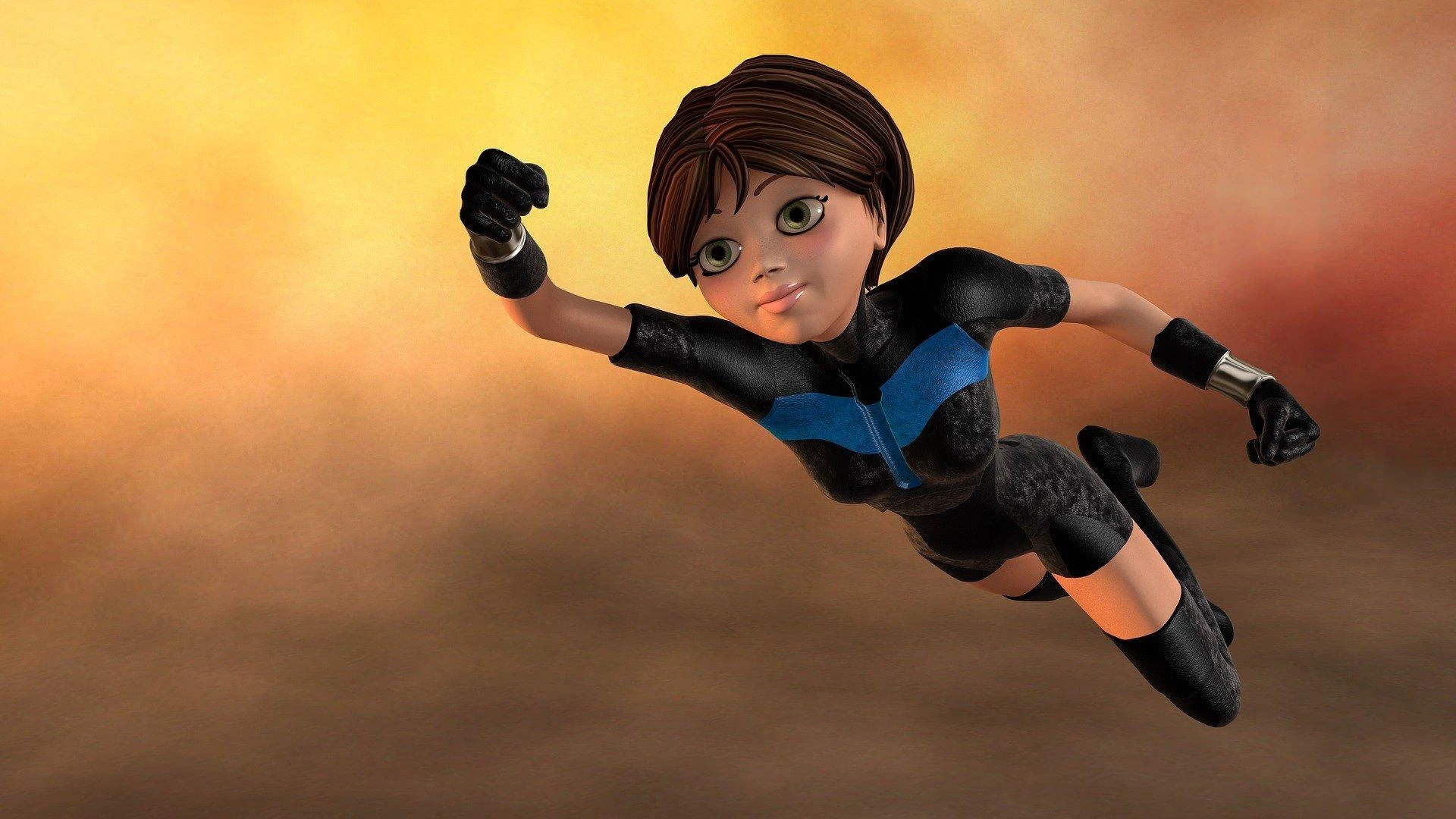
In the world of animation, video games, and visual effects, 3D character design plays a pivotal role in bringing imaginary beings and fantastical worlds to life. Whether it's a lovable animated character in a film or a fierce warrior in a video game, the art of 3D character design combines artistic creativity, technical skills, and storytelling to create compelling and believable virtual personas. In this essay, we will explore the process of 3D character design, the importance of character design in various industries, and the challenges faced by designers in this field.
The Process of 3D Character Design
Concept Development: The process begins with conceptualizing the character. This involves brainstorming ideas, sketching rough concepts, and defining the character's personality, backstory, and visual appearance. It is crucial to create a unique and memorable design that aligns with the project's requirements and target audience.
Modeling: Once the concept is finalized, the character is digitally sculpted in 3D software. The artist creates a virtual skeleton, known as a wireframe, which serves as the foundation for the character. Detailed modeling is then done to add volume, shape, and intricate details to the character, such as facial features, clothing, and accessories.
Texturing and Shading: Texturing involves adding color, patterns, and surface details to the 3D model. Artists use specialized software to create realistic textures and apply them to the model's surfaces. Shading techniques are then employed to simulate different materials, such as skin, fur, or metal, giving the character a lifelike appearance.
Rigging and Animation: Rigging is the process of creating a digital skeleton and attaching it to the 3D model. This allows the character to be animated by manipulating the skeleton's joints and controls. Animators bring the character to life by creating movements, expressions, and gestures that convey emotions and enhance the storytelling.
Lighting and Rendering: Lighting is a crucial aspect of 3D character design as it sets the mood, highlights details, and enhances the overall visual appeal. Designers use various lighting techniques and simulate realistic lighting conditions to create believable and immersive environments. Rendering is the final step, where the 3D scene is processed and transformed into a high-resolution image or animation.
Importance of 3D Character Design
Entertainment Industry: 3D character design is essential in the entertainment industry, including films, television shows, and video games. Well-designed characters enhance storytelling, evoke emotions, and captivate audiences. Iconic characters like Buzz Lightyear from "Toy Story" or Lara Croft from the "Tomb Raider" game series have become cultural icons, showcasing the impact of effective character design.
Advertising and Marketing: In advertising and marketing, 3D character design helps create memorable and relatable brand mascots. These characters serve as brand ambassadors, connecting with consumers on an emotional level and reinforcing brand identity. Examples include the Geico Gecko and the Michelin Man, which have become synonymous with their respective brands.
Virtual Reality and Augmented Reality: With the rise of virtual reality (VR) and augmented reality (AR), 3D character design has gained even more significance. Immersive experiences rely on realistic and engaging characters to create believable virtual worlds. From VR gaming to AR applications, well-designed characters enhance user experiences and provide a sense of presence and interaction.
Challenges in 3D Character Design
Balancing Realism and Style: Designers often face the challenge of striking a balance between realism and stylization. While some projects require highly realistic characters, others demand a more exaggerated or cartoonish style. Achieving the right balance is crucial to ensure that the character fits the intended narrative and aesthetic.
Technical Limitations: Creating detailed and complex 3D characters requires technical expertise and knowledge of software tools. Designers must navigate the limitations of the software, hardware, and rendering capabilities to achieve their vision. Optimizing the character's geometry, textures, and animations for performance and compatibility across different platforms can be a challenging task.
Originality and Creativity: In a highly saturated market, creating original and unique character designs can be a daunting task. Designers must strive to push boundaries, think outside the box, and avoid clichés to ensure their characters stand out and leave a lasting impression.
Sculpting Believable Characters: Designing characters that feel alive and relatable requires a deep understanding of anatomy, movement, and human psychology. Artists must study real-life references, observe how people behave, and capture subtle nuances to create believable and emotionally resonant characters.
3D art production in polydin studio
Polydin Studio is a premier provider of 3D art services for a wide range of gaming and interactive projects, such as NFT ventures, Metaverses, and Ecommerce. We specialize in producing aesthetically attractive and entertaining 3D characters, locations, and props for audiences of all types.
We are committed to delivering consistent quality and efficiency throughout the manufacturing process, relying on industry-standard pipelines and battle-tested processes. Our professional artists and designers collaborate closely with customers to understand and implement their vision and generate personalized 3D art that meets and surpasses their expectations.
Conclusion
3D character design is an art form that combines imagination, technical skills, and storytelling to create compelling virtual personas. From concept development to modeling, texturing, rigging, animation, and rendering, the process of bringing characters to life is complex and multidisciplinary. The significance of 3D character design spans across various industries, including entertainment, advertising, and emerging technologies like VR and AR. However, designers face challenges in balancing realism and style, overcoming technical limitations, maintaining originality, and sculpting believable characters. Despite these challenges, the world of 3D character design continues to evolve, pushing the boundaries of creativity and innovation, and captivating audiences with its imaginative creations.




Sign in to leave a comment.