
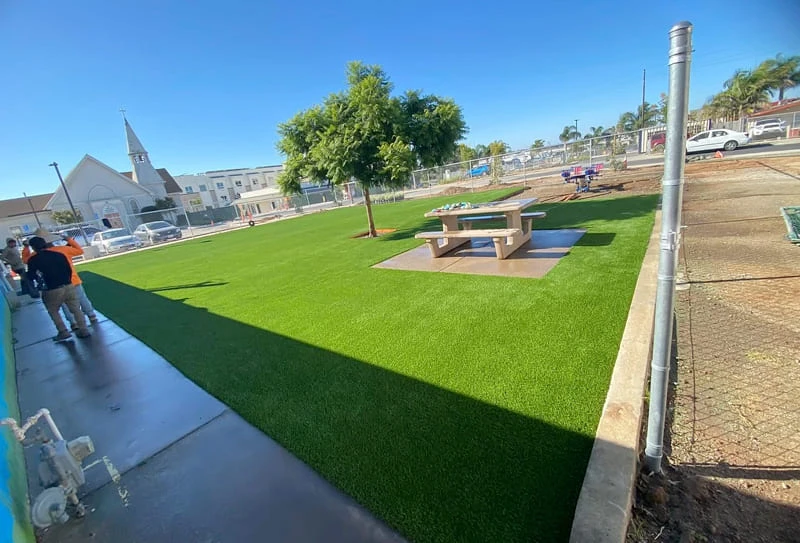
Children love playing on lush, vibrant playground turf. Synthetic turf provides a sanitary, playable surface needing no irrigation or mowing. However, playgrounds experience heavy traffic and abuse. Cutting corners during installation can lead to ripped seams, compacted sub-base, and other defects diminishing safety. The stakes are high when choosing quality and durable playground turf and proper construction techniques for safe, long-lasting playgrounds and recreational spaces.
Before opting for playground turf installation, educate yourself on potential pitfalls to avoid. Issues like improper drainage, subpar turf choice, and poor seam construction plague many low-bid installations. However, planning meticulous construction and utilizing experienced contractors prevents these headaches. Protect your investment and children’s safety by understanding crucial mistakes and how to avoid them.
With due diligence during material selection and base construction supplemented by expert installation, your playground turf will thrive for over a decade of vigorous fun. Use these tips to dodge common snags and ensure successful, durable synthetic turf playgrounds.
Not Grading and Compacting the Base
A properly constructed base lends critical support, drainage, and safety performance. Avoid skimping on base prep and materials. Evaluate existing drainage and use laser grading equipment to achieve 1-2% slope across the entire area. Address any tendencies for standing water before base construction.
Use a minimum of 4-6 inches of compacted crushed stone or subsurface stabilization fabric over geotextile drainage matting. Compact in 2 inch layers using heavy vibratory equipment like a plate compactor. The finished base should feel solid underfoot with no shifting. An inadequate base leads to uneven seams, rippling turf, and safety issues over time as the surface compresses unevenly.
Failing to Install Retaining Perimeters
Edging is necessary around the entire turf perimeter and any transition zones to other surfaces. This anchors your durable playground turf in place and finishes edges neatly. Use at least 6 inch galvanized spikes inserted flush with the subsurface base every 4-6 inches around all edges and borders. Additional perimeter containment options are poured concrete curbing or pressure-treated wood headers.
Leave small gaps along perimeters or borders to permit drainage. Avoiding proper perimeter edging results in shredded edges or ripples as turf loosens or shifts. Well-secured edges prevent seam failures and trip hazards.
Using Inferior Turf Products
With heavy playground use, turf needs to withstand abuse. Don’t cut corners on turf quality. Seek ISO 9001 and 14001 certified products made with UV-stabilized polyethylene or polypropylene fibers with adequate pile height for safety. Inquire about fiber construction, stitch gauge, and backing technology before purchase. Choose products featuring antimicrobial protection to limit bacterial growth. Request warranty details and example installations.
Top quality, durable playground turf lasts for years under intensive use. Going cheap on turf leads to fiber breakdown, seam failures, and unacceptable hazards. Do your homework to find reputable, safety-rated manufacturers.
Improper Seaming
Connecting individual turf sections properly ensures structural integrity and prevents trip hazards between pieces. Use only approved tapes or adhesives for synthetic grass seaming. Avoid gaps between sections. On playground use turf, ensure abutting sections share yarn rows to improve seam strength. Make long, inconspicuous seams rather than small patches.
Secure every seam with nail affixing between 4-6 inches along its length. Apply suitable polyurethane or silicone caulking into the seam, pressing sections firmly together. Weight until fully cured. Seams should be flat and permanent when finished. Shoddy seaming creates openings, lifting edges and possible injuries.
Not Installing Proper Infill
Before opting for playground turf installation, please know that synthetic grass relies on infill materials to provide ballast, shock absorption, and fiber support needed for safety. Playground turf requires 1-1.5 pounds of infill mixture per square foot. Use only certified infill materials like antimicrobial coated silica sand and SBR rubber. These must meet ASTM safety standards for metal content, dust/debris levels, and other specifications. Uniformly fill the turf up to the tips with infill materials using a drop spreader. Avoid rubber-only mixtures prone to compaction. Insufficient infill increases injury risks and shortens turf lifespan from excessive flattening.
Putting Infill In Too Early
When installing durable playground turf, a common mistake is adding infill material before all seaming and adhesive work is completed. The infill gets in the way, compromising adhesive bonds and preventing proper sealing along seams. Always join and finish securing all turf sections first before spreading infill materials uniformly across the surface.
Any necessary repairs are also easier before infill application. Rushing this step can undermine turf integrity and performance. Wait until the playground surface is fully installed before infill.
Insufficient Planning
Knowing turf requirements, ordering early, and hiring experienced professionals for reliable playground turf installation prevents headaches. Have a qualified playground surfacing vendor specify materials tailored for safety ratings, traffic levels, and features like custom graphics. Order enough product to avoid running short or piecing together scraps. Retain insured, professional turf installers familiar with playground demands. Trying to DIY extensive surfacing risks dangerous imperfections. Planning for quality materials, sufficient turf, and competent installation protects playground users while providing lasting turf. Don’t leave things to chance – do your homework.
Durable Playground Turf Installation: A Sustainable & Eco-Friendly Solution
Playgrounds represent a major investment in children's recreation and safety. Cutting corners on materials or construction puts this at risk. Before undertaking any playground turf project, thoroughly research reputable products warrantied for safety and durability. Take time to evaluate and correct any pre-existing grading or drainage issues. Construct a robust subsurface base as the foundation using recommended techniques and quality infill. Avoid pitfalls like subpar seaming or applying infill prematurely before adhering all sections.
With children’s wellbeing at stake, hire experienced playground turf vendors and installers. Planning meticulously, vetting materials thoroughly, and retaining seasoned contractors prevents problems and optimizes safety. Your due diligence during installation protects turf integrity for years while maintaining a cushioned surface safeguarding kids at play.
Do things right from the start and you’ll reap the rewards in flawless, resilient turf and peace of mind seeing happy children enjoying an endlessly playable playground paradise.
Let our safety experts at Creative Turf Install provide perfectly installed, durable playground turf surfacing safeguarding children at play. Call our experts today for a quote on premium turf guaranteed to withstand kid-tested punishment for over 10 years!
Read More: Click Here





Sign in to leave a comment.