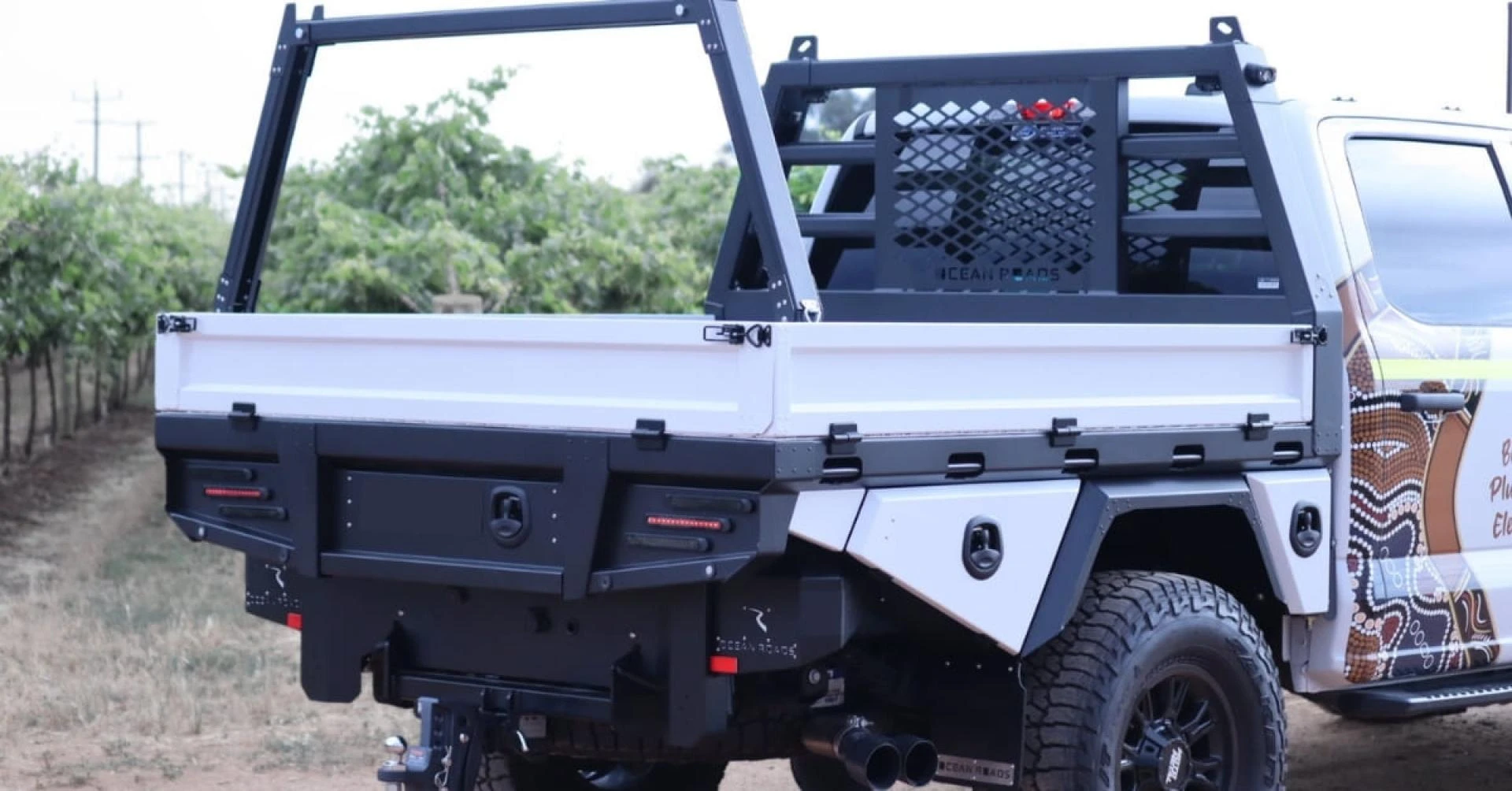
Whether you’re a tradie, farmer, or weekend adventurer, your ute tray is the backbone of your vehicle’s load-carrying capability. Especially if you drive a dual cab ute tray or rely on a heavy duty ute tray, keeping it in top condition is essential for safety, performance, and longevity.
But even the toughest trays face common problems over time. Knowing how to identify and fix these issues can save you costly repairs and downtime. Here are five of the most frequent ute tray problems — and practical solutions to keep your tray working hard for years to come.
1. Rust and Corrosion
Even though many ute trays are made from aluminium or treated steel, rust and corrosion can still occur, especially if your tray faces heavy use in salty coastal areas, muddy farms, or harsh work environments.
How to Fix It:
- Regular Cleaning: Wash your tray frequently, especially after exposure to salt or chemicals. Use a mild detergent and a stiff brush to remove dirt and debris.
- Inspect and Repair: Look for small scratches or dents where protective coatings might be damaged. Touch these up with rust-resistant paint or sealant to prevent spreading.
- Consider Aluminium: If corrosion is a recurring problem, switching to a heavy duty ute tray made from aluminium can offer better resistance to rust and extend your tray’s life significantly.
2. Loose or Damaged Fasteners
Tray fasteners, bolts, and rivets can loosen over time due to vibration and load stresses. This can lead to rattling, decreased tray stability, and even structural damage if ignored.
How to Fix It:
- Regular Inspection: Make it a habit to check all bolts and fasteners every few months, especially after off-road use or heavy loading.
- Torque to Specs: Use a torque wrench to tighten fasteners to manufacturer specifications to avoid overtightening or under-tightening.
- Replace Damaged Hardware: If bolts or rivets are worn or corroded, replace them promptly with quality replacements.
3. Wear and Tear on Tray Bed
Your tray bed takes the brunt of heavy, abrasive loads—lumber, machinery, gravel, or farm supplies. Over time, this causes scratches, dents, and even holes that compromise structural integrity and appearance.
How to Fix It:
- Use Tray Liners: Adding a rubber mat or spray-on liner can protect the tray surface from impact and abrasion. This is especially helpful on a dual cab ute tray, which might be used for both work and recreational gear.
- Repair Dents and Holes: Small dents can often be hammered out or filled with metal fillers. Holes should be patched professionally to maintain tray strength.
- Regular Maintenance: Keep the tray clean and dry to prevent accelerated wear and corrosion in damaged areas.
4. Faulty or Broken Tailgate
The tailgate is a critical component, allowing easy loading and unloading. Problems like sagging, broken hinges, or faulty latches make it difficult and unsafe to use your tray effectively.
How to Fix It:
- Lubricate Moving Parts: Hinges and latches should be lubricated regularly to prevent rust and stiffness. Use a waterproof grease or lubricant designed for automotive parts.
- Adjust or Replace Hinges: If the tailgate sags or doesn’t align correctly, adjust or replace the hinges. Many manufacturers offer replacement kits compatible with popular heavy duty ute tray models.
- Upgrade Latches: Consider upgrading to stronger, more reliable locking latches if yours are worn or prone to failure. This also improves security.
5. Damaged or Insufficient Tie-Down Points
Tie-down points are essential for safely securing loads. Over time, these can become worn, bent, or insufficient in number — especially if you regularly haul heavy or irregular cargo.
How to Fix It:
- Inspect and Replace: Regularly inspect your tie-down points for cracks, rust, or deformation. Replace any damaged components immediately.
- Add More Tie-Downs: If you find the existing points limiting, add extra anchor points or rails to your tray. A dual cab ute tray often benefits from flexible tie-down solutions to secure different load types.
- Use Quality Straps and Equipment: Always use heavy-duty ratchet straps or chains rated for your load. Check these regularly for wear and replace when needed.
Bonus Tips for Maintaining Your Ute Tray
- Regular Cleaning: Dirt, mud, and debris not only cause corrosion but can hide damage. Regular cleaning helps you spot issues early.
- Cover Your Tray: When not in use, a tray cover or canopy can protect against weather and reduce UV damage.
- Professional Inspections: Schedule professional checks, especially if your tray is used intensively. They can identify structural or safety issues you might miss.
Why Choose Ocean Roads for Your Ute Tray Needs?
At Ocean Roads, we understand the demands placed on utes and their trays. Whether you’re after a tough heavy duty ute tray or a versatile dual cab ute tray, our products are designed for durability, functionality, and ease of maintenance.
We use quality materials and precision engineering to reduce common problems and make repairs straightforward when they do arise. Plus, our expert team can help customise your tray to suit your exact needs — saving you time and money in the long run.
Final Thoughts
Your ute tray is a hardworking part of your vehicle — but like any tool, it needs regular care and attention to perform at its best. By staying on top of common issues like rust, loose fasteners, tray wear, tailgate problems, and tie-down maintenance, you can extend the life of your dual cab ute tray or heavy duty ute tray and keep your load secure and safe.
Don’t wait until a minor problem becomes a major repair. With some simple inspections and fixes, your ute tray will continue to be a reliable partner, no matter where the road or job takes you.


























Sign in to leave a comment.