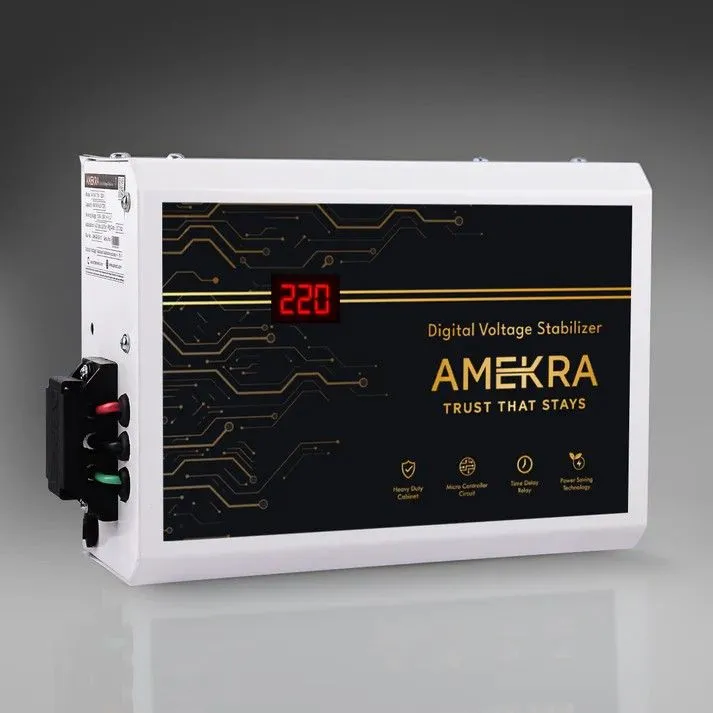

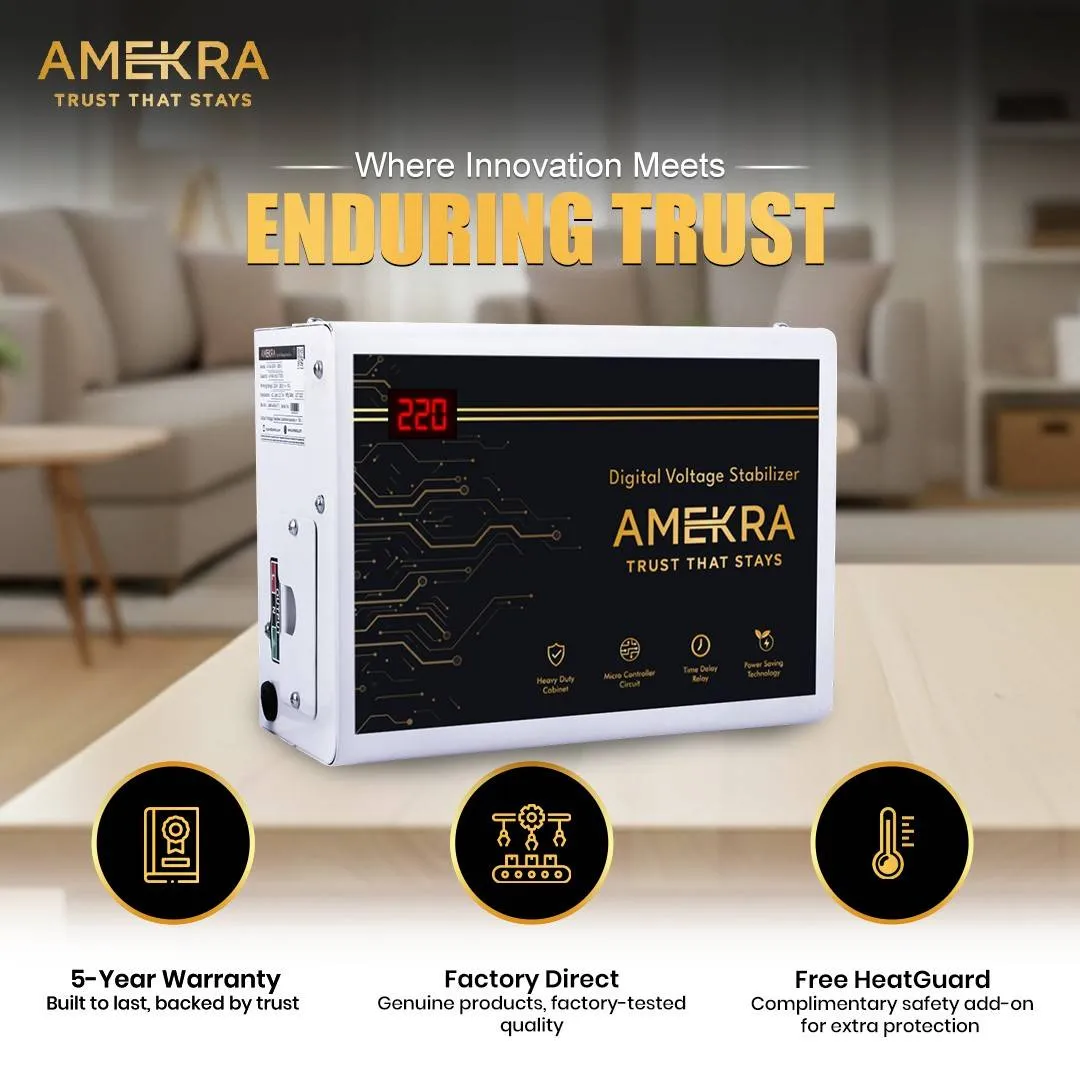
Choosing the right AC stabilizer is not just about matching it with your air conditioner’s capacity. Your city’s power conditions play a major role in determining which stabilizer will offer the best protection. In many parts of India, voltage fluctuations, power cuts, and sudden surges are common, making it essential to select a stabilizer that can handle local electricity challenges.
In this guide, we’ll explain how to choose the best AC stabilizer based on your city’s power conditions and ensure reliable cooling performance.
Why Power Conditions Matter for AC Stabilizers
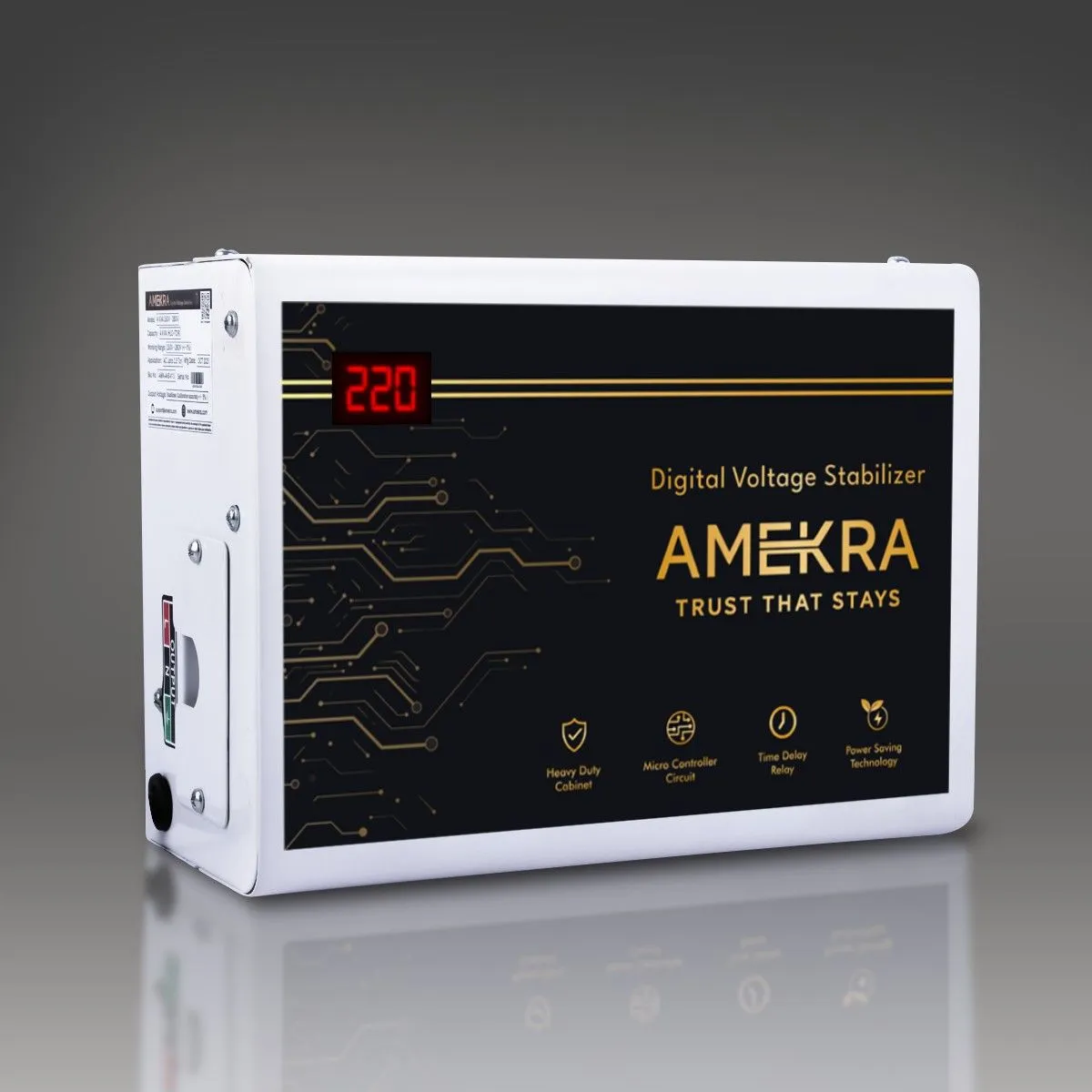
Electricity supply varies from city to city. Some areas experience stable voltage, while others face frequent drops, spikes, or outages. These fluctuations can damage your AC’s compressor and internal circuits.
An AC stabilizer works by maintaining a consistent voltage supply, protecting your appliance from unexpected electrical issues. Choosing the wrong stabilizer for your area may result in poor performance or even damage over time.
Identify Your City’s Voltage Pattern
Before selecting a stabilizer, it’s important to understand the type of power supply in your area.
Frequent Voltage Fluctuations
If your lights flicker often or appliances struggle to run smoothly, your area likely experiences frequent voltage instability. In such cases, you need a stabilizer with a wide voltage range.
Low Voltage Areas
Some regions face consistent low voltage, especially during peak summer hours. A stabilizer with low-voltage correction capability is ideal for maintaining AC efficiency.
High Voltage Spikes
Sudden power surges can damage your AC instantly. If your city experiences frequent spikes, choose a stabilizer with high-voltage cut-off protection.
Understanding these conditions helps you pick a stabilizer that matches your environment.
Choose the Right Voltage Range
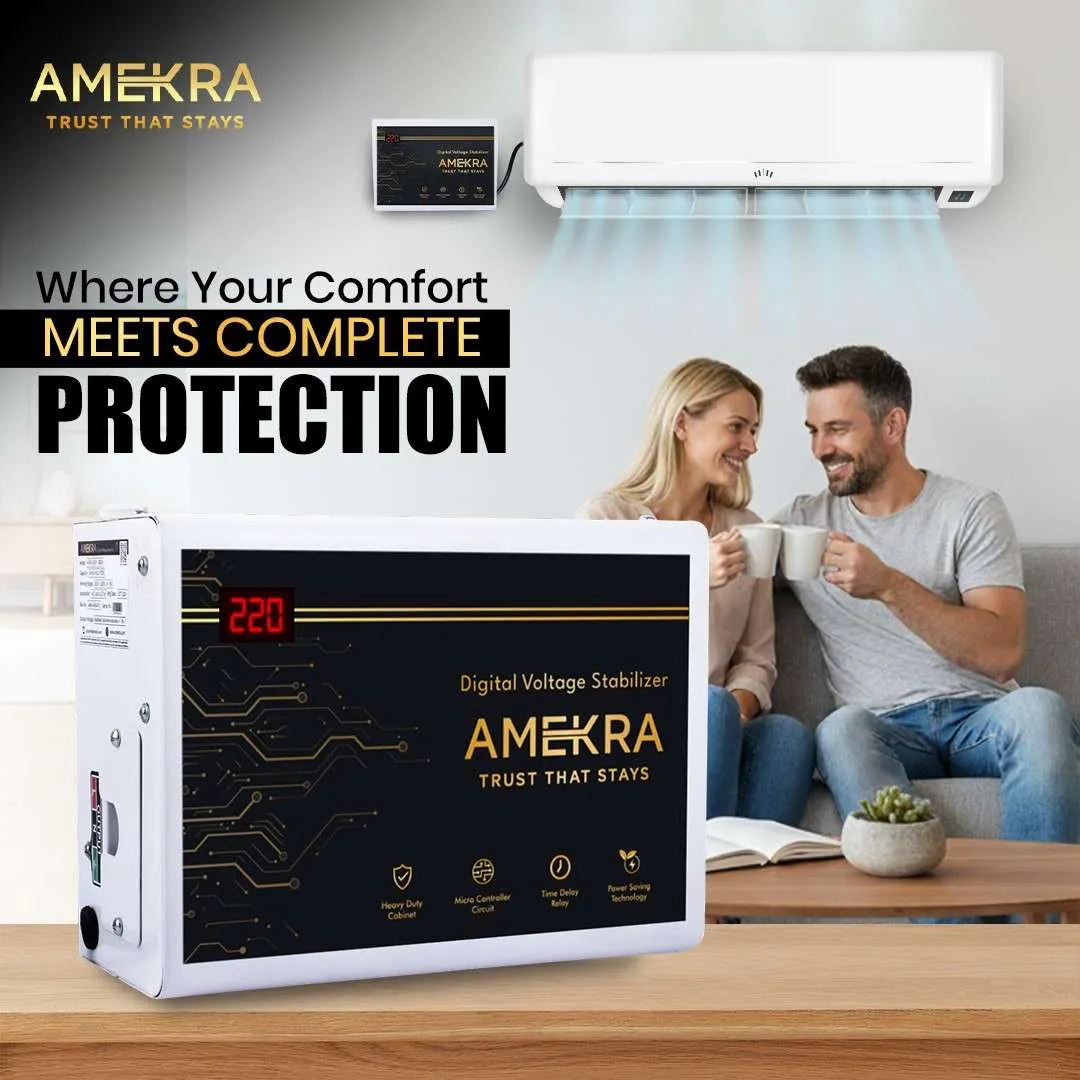
The voltage range of a stabilizer defines how effectively it can regulate power. In cities with unstable electricity, selecting a stabilizer with a broader range ensures better protection.
For example:
- Areas with heavy fluctuations should use stabilizers with a wide range like 130V–280V or more
- Regions with moderate fluctuations can work with a standard voltage range
A wider range ensures that your AC continues to operate smoothly even during extreme power conditions.
Match Stabilizer Capacity with Your AC
Along with power conditions, it’s important to choose the correct stabilizer capacity based on your AC size. This ensures efficient performance and prevents overload.
Here’s a simple guide:
- Use an ac stabilizer for 1 ton for small rooms or compact AC units
- Choose an ac stabilizer for 1.5 ton for medium-sized spaces
- Install an ac stabilizer for 2 ton for large rooms or heavy-duty cooling
Selecting the right capacity helps the stabilizer manage voltage effectively without strain.
Look for Essential Protection Features
Modern AC stabilizers come with advanced features that enhance safety and performance. When choosing a stabilizer, consider the following:
High and Low Voltage Cut-Off
Automatically disconnects power during extreme voltage conditions.
Thermal Overload Protection
Prevents overheating by shutting down the stabilizer when necessary.
Time Delay System
Ensures safe restart of the compressor after power cuts.
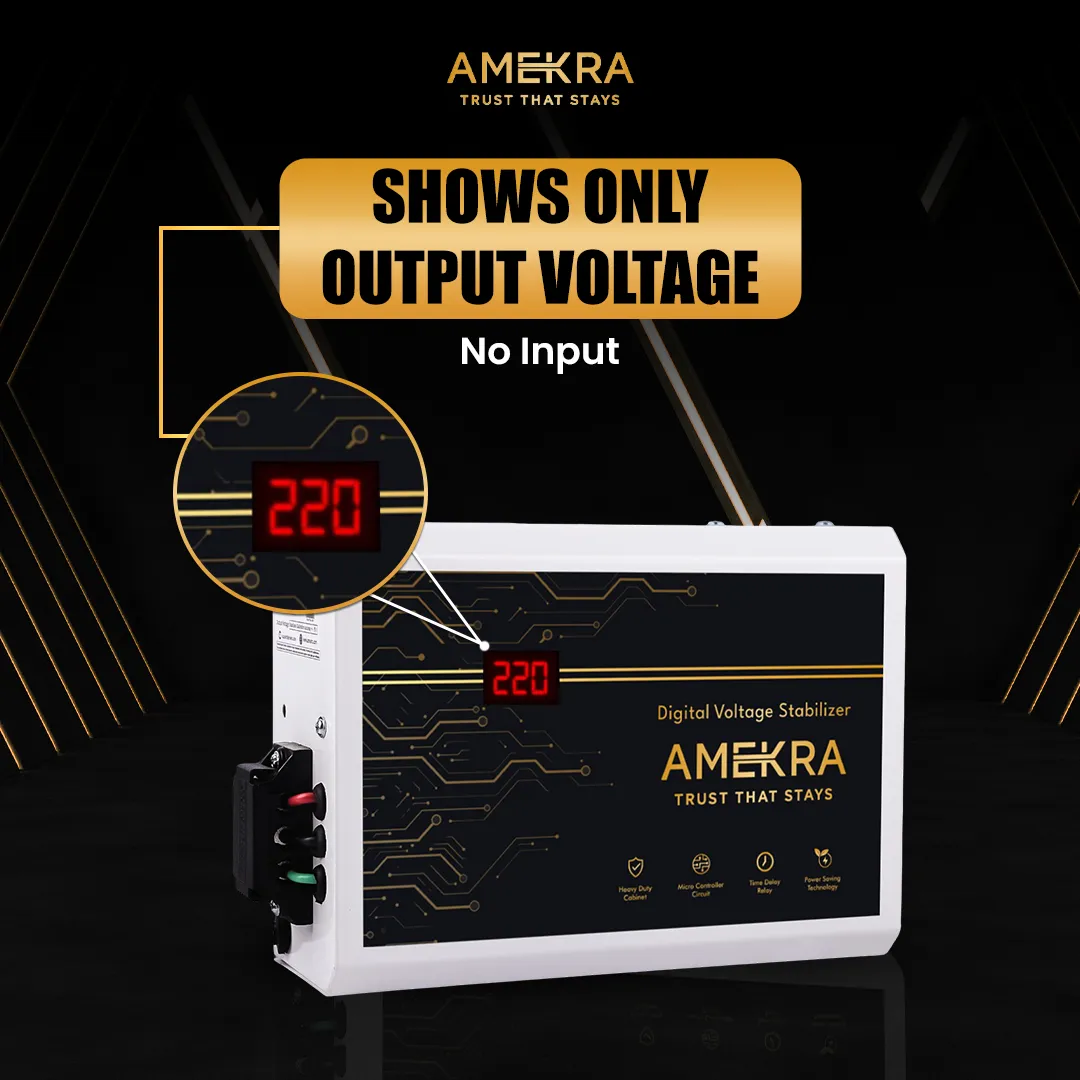
Digital Display
Helps monitor real-time voltage levels and stabilizer performance.
These features are especially important in cities with unpredictable electricity supply.
Consider Installation Location and Environment
Your city’s climate and living conditions also influence stabilizer performance. High humidity, dust, and heat can affect durability.
- Install the stabilizer in a well-ventilated area
- Avoid placing it near heat sources or in closed cabinets
- Opt for wall-mounted designs for better safety and airflow
Proper installation ensures long-term efficiency and reduces maintenance issues.
Why Local Power Conditions Should Guide Your Decision
Many buyers focus only on AC tonnage, but ignoring local power conditions can lead to poor results. A stabilizer that works well in one city may not perform the same in another.
For instance, a home in an area with stable electricity may not need a wide-range stabilizer, while a region with frequent fluctuations requires a more robust solution.
By considering both AC capacity and local voltage patterns, you can make a smarter and more effective choice.
Final Thoughts
Choosing the best AC stabilizer requires a balance between your air conditioner’s capacity and your city’s power conditions. Understanding voltage patterns, selecting the right voltage range, and ensuring proper capacity are key to protecting your appliance.
Whether you need an ac stabilizer for 1 ton, ac stabilizer for 1.5 ton, or ac stabilizer for 2 ton, selecting the right model based on your local electricity conditions ensures efficient cooling, long-lasting performance, and peace of mind.
Investing in the right stabilizer today helps prevent costly repairs and keeps your air conditioner running smoothly even during the most challenging power situations.


























Sign in to leave a comment.