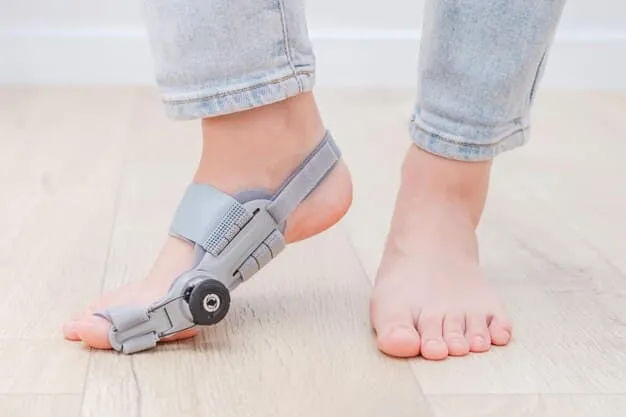

Stroke recovery is often a long and challenging process that requires patience, rehabilitation, and consistent support. A stroke can affect muscle control, balance, coordination, and mobility, making everyday activities more difficult for patients. Many stroke survivors experience weakness or paralysis on one side of the body, particularly in the legs and feet. These mobility limitations can increase the risk of falls, reduce independence, and affect overall quality of life. Rehabilitation strategies are therefore essential for helping patients regain movement and confidence during recovery.
AFO braces are commonly used as part of stroke rehabilitation programs to improve walking ability and lower limb stability. These braces, known as ankle foot orthoses, are designed to support the foot and ankle while promoting safer and more efficient movement. They help stroke recovery patients manage muscle weakness, improve balance, and reduce strain during walking. With proper use and rehabilitation support, AFO braces can significantly improve mobility and help patients regain greater independence in daily life.
Understanding Stroke Related Mobility Challenges
A stroke occurs when blood flow to part of the brain is interrupted, causing damage to brain cells. Depending on the area of the brain affected, stroke survivors may experience physical, cognitive, or sensory impairments. One of the most common physical effects is muscle weakness or paralysis on one side of the body, often referred to as hemiparesis or hemiplegia.
Mobility problems after a stroke can make walking difficult and unsafe. Many patients struggle with poor balance, reduced muscle control, and abnormal walking patterns. Weakness in the ankle and foot muscles can lead to a condition called foot drop, where the front part of the foot drags during walking. These challenges can greatly impact a person’s ability to move independently and perform daily activities.
What Are AFO Braces
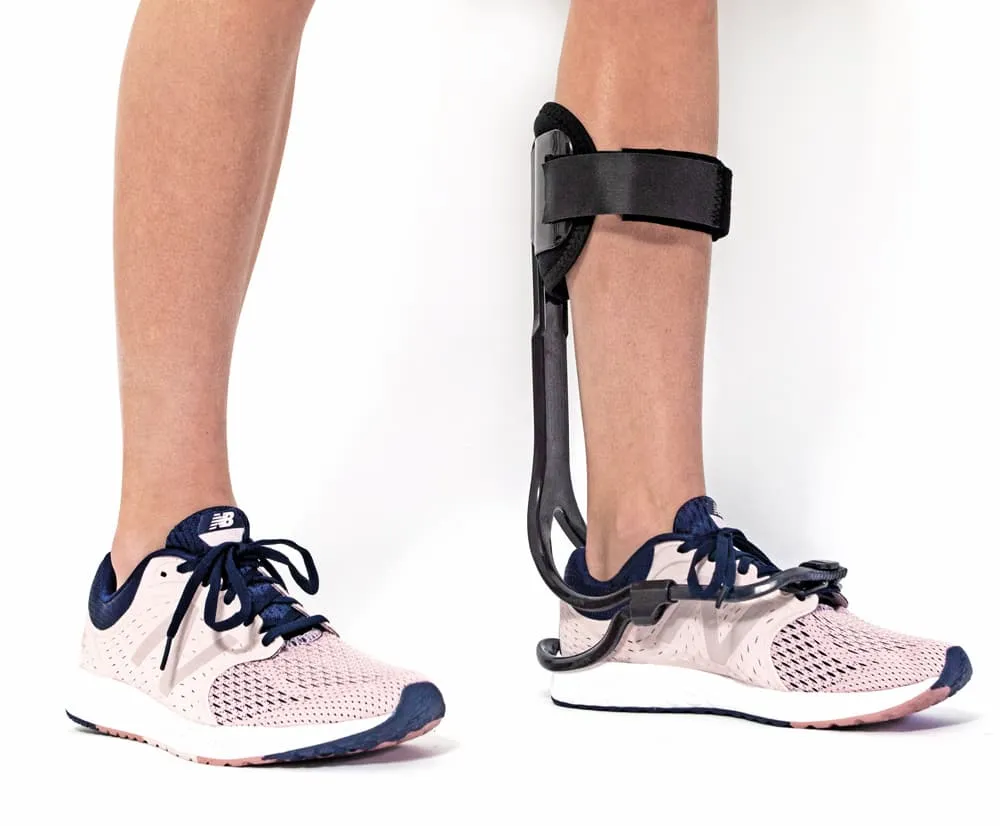
AFO braces are supportive devices worn on the lower leg and foot to improve stability and movement. The term AFO stands for ankle foot orthosis. These braces are commonly prescribed for individuals who experience weakness, instability, or limited control in the ankle and foot.
The primary purpose of AFO braces is to maintain proper foot alignment and support safer walking patterns. They are designed to keep the foot in a stable position while reducing the risk of dragging, stumbling, or falling. AFO braces are frequently used in stroke rehabilitation because they help compensate for muscle weakness and improve movement efficiency.
How AFO Braces Support Stroke Recovery
Stroke rehabilitation focuses on helping patients regain strength, coordination, and independence. AFO braces play an important role in this process by improving lower limb function and reducing mobility related challenges. These supportive devices work alongside physical therapy and rehabilitation exercises to encourage safer and more effective movement.
Improving Walking Ability
Walking difficulties are one of the most common problems faced by stroke survivors. Muscle weakness and poor coordination can make it difficult to lift the foot properly during movement. AFO braces help support the foot and ankle, allowing patients to walk with greater stability and confidence.
By improving foot positioning during walking, AFO braces help create a smoother and more controlled gait pattern. This reduces the need for compensatory movements that may place extra strain on the hips, knees, and lower back. Better walking mechanics can also improve energy efficiency and reduce fatigue during movement.
Reducing Foot Drop
Foot drop is a common condition among stroke patients due to weakness in the muscles responsible for lifting the foot. This causes the toes to drag against the ground while walking, increasing the risk of tripping and falling. AFO braces help keep the foot in a more neutral position, preventing the toes from dragging during movement.
Reducing foot drop allows stroke survivors to move more safely and comfortably. Improved foot clearance during walking also helps patients feel more confident in different environments, including uneven surfaces and stairs.
Enhancing Balance and Stability
Balance problems are common after a stroke because muscle weakness and coordination issues affect posture and movement control. AFO braces provide added support to the ankle and foot, improving overall stability during standing and walking activities.
Better balance reduces the likelihood of falls and injuries, which is especially important during recovery. Improved stability can also encourage patients to participate more actively in rehabilitation exercises and daily activities.
Supporting Proper Joint Alignment
Weakness in the foot and ankle can lead to abnormal positioning and poor joint alignment. Over time, improper alignment may contribute to pain, muscle strain, and joint stress. AFO braces help maintain healthier alignment by stabilizing the foot and ankle during movement.
Proper alignment also supports more efficient muscle activation and walking mechanics. This can improve comfort and reduce the risk of long term complications related to poor posture and movement patterns.
Types of AFO Braces Used in Stroke Rehabilitation
Different types of AFO braces are available depending on the specific needs and mobility goals of the patient. Healthcare professionals evaluate muscle strength, walking ability, and overall mobility before recommending the most suitable brace.
Rigid AFO Braces
Rigid AFO braces provide strong support and limit movement in the ankle joint. These braces are commonly used for individuals with significant muscle weakness or severe instability. They help maintain a stable walking position and reduce the risk of uncontrolled foot movement.
Flexible AFO Braces
Flexible AFO braces allow more natural ankle movement while still providing support. These braces are often recommended for patients who have partial muscle control and improved balance. Flexible designs encourage more natural walking patterns during recovery.
Hinged AFO Braces
Hinged AFO braces include a joint mechanism that allows controlled ankle motion. These braces support stability while permitting some flexibility during walking. Hinged designs are commonly used for patients progressing through rehabilitation and regaining mobility.
Benefits of AFO Braces for Daily Life
The advantages of AFO braces extend beyond clinical rehabilitation settings. Many stroke survivors experience improvements in daily comfort, independence, and confidence when using these supportive devices regularly.
Increased Independence
Improved walking ability allows patients to perform daily tasks with greater independence. Activities such as walking around the home, shopping, or participating in social events may become easier and safer with the support of AFO braces.
Reduced Risk of Falls
Falls are a major concern for stroke recovery patients due to balance and coordination challenges. AFO braces provide stability that helps reduce the risk of slips, trips, and falls during movement.
Greater Confidence During Movement
Fear of falling can make stroke survivors hesitant to move or participate in activities. Improved stability and support can increase confidence and encourage greater participation in rehabilitation and social interaction.
Improved Physical Activity Levels
Better mobility often encourages patients to stay more physically active during recovery. Increased activity can support cardiovascular health, muscle strength, and emotional wellbeing.
The Role of Physical Therapy Alongside AFO Braces
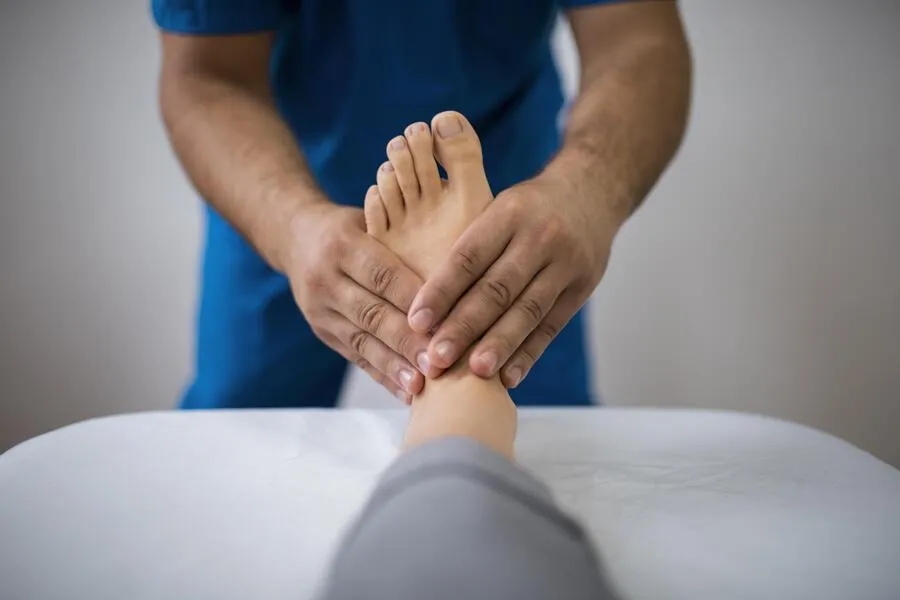
AFO braces are most effective when combined with physical therapy and rehabilitation exercises. Physical therapists work with stroke patients to improve strength, flexibility, coordination, and balance during recovery.
Strengthening Exercises
Therapists often recommend exercises that strengthen the muscles of the legs, ankles, and core. Stronger muscles improve walking ability and overall movement control.
Balance Training
Balance exercises help patients develop better posture and body awareness. These exercises improve stability and reduce the likelihood of falls during movement.
Gait Training
Gait training focuses on improving walking mechanics and movement efficiency. Therapists help patients practice proper foot placement, posture, and step coordination while using AFO braces.
Stretching and Flexibility
Stretching exercises help reduce muscle stiffness and improve joint flexibility. Maintaining flexibility is important for comfortable movement and preventing muscle tightness during recovery.
Emotional and Psychological Benefits
Stroke recovery affects more than just physical movement. Many patients experience emotional challenges related to reduced independence and mobility limitations. AFO braces can positively influence emotional wellbeing by helping patients regain confidence and improve participation in daily life.
Encouraging Social Engagement
Improved mobility may help stroke survivors return to social activities, family gatherings, and community participation. Staying socially active can support emotional recovery and mental wellbeing.
Reducing Anxiety About Falling
Fear of falling often creates anxiety and limits physical activity. The added stability provided by AFO braces can reduce this fear and encourage safer movement.
Supporting Motivation During Rehabilitation
Visible improvements in walking ability and independence can motivate patients to continue participating in therapy and rehabilitation programs. Positive progress often contributes to better long term recovery outcomes.
Choosing the Right AFO Brace
Selecting the appropriate AFO brace depends on the patient’s mobility needs, muscle strength, and rehabilitation goals. Healthcare professionals evaluate several factors before recommending a brace.
Comfort and Fit
A properly fitted brace is essential for comfort and effectiveness. Poor fit may cause skin irritation, discomfort, or reduced mobility.
Level of Support Needed
Some patients require maximum stability, while others benefit from more flexible movement support. Choosing the correct level of support is important for safe and efficient walking.
Daily Activity Requirements
The type of activities performed each day may influence brace selection. Patients with active lifestyles may require braces that allow greater movement flexibility.
Conclusion
AFO braces play a valuable role in helping stroke recovery patients regain mobility, improve balance, and increase independence during rehabilitation. These supportive devices help reduce foot drop, enhance walking ability, and provide greater stability during movement. By improving lower limb alignment and supporting safer walking patterns, AFO braces contribute significantly to physical recovery and overall quality of life.
When combined with physical therapy and consistent rehabilitation, AFO braces can help stroke survivors rebuild confidence and participate more actively in daily activities. Early support and proper mobility management often lead to better long term recovery outcomes and improved independence. For more educational insights and information related to rehabilitation, mobility support, and lower extremity health, Ler Magazine continues to provide valuable resources for patients and healthcare professionals alike.



























Sign in to leave a comment.